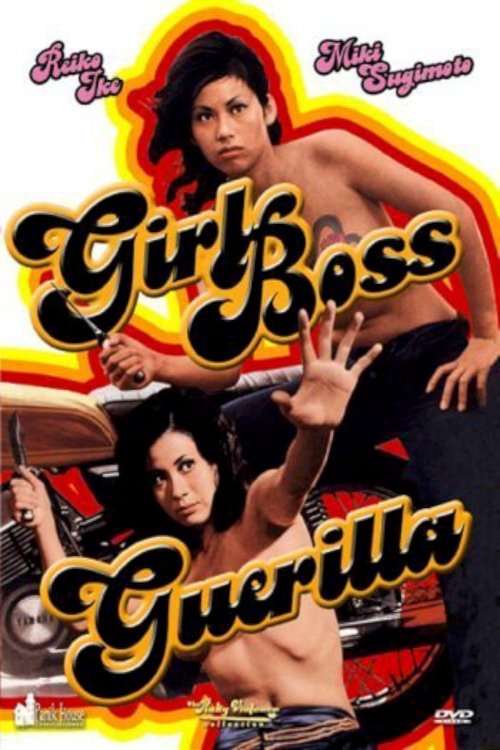
Girl Boss Guerilla
1972
No user ratings available yet
Representation score: 5.9 out of 10
Representation Score
Fair
1973
Director
Norifumi Suzuki
Runtime
86 minutes
Average Rating
No ratings yetNew Showbiz Analysis
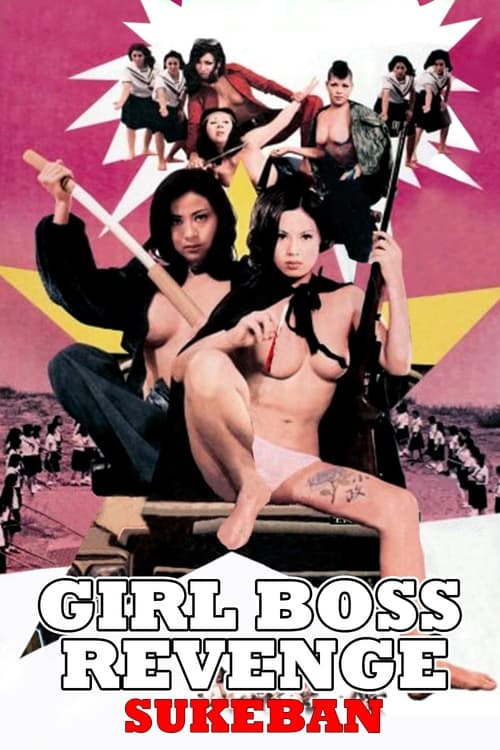
Sukeban challenges traditional gender roles by focusing on a female-led gang that operates independently of male control. Through Komasa's leadership, the film effectively disrupts conventional power structures. However, the film's impact is limited by its cultural uniformity and lack of explicit LGBTQ+ identities. While it challenges social norms, it focuses primarily on a single cultural perspective. Overall, the film's strength lies in its rejection of institutional authority and its celebration of women's ability to drive the story within the 1970s action genre.
Category Breakdown
The film highlights strong female friendships among the Kanto Gypsies. It creates a space where women operate without male influence, but does not show any non-straight relationships.
Komasa stands out as a strong female leader, challenging the stereotype of submissive women. She leads the group with intelligence and ruthlessness, showing physical dominance over male figures.
The cast is mostly made up of people from similar cultural backgrounds, reflecting the film's Japanese origins. There is no evidence of whitewashing, but the film lacks diverse racial representation.
The story portrays the Kanto Gypsies as outsiders who face societal exclusion. It favors a decentralized moral code over corrupt legal and criminal systems.
The film does not include any characters with physical or mental disabilities. There is no specific representation of individuals with disabilities.
Present on Screen
Limited or Absent
Official Synopsis
The Kanto Gypsies, a tough girl gang, hide out from the law in the middle of a disputed gang territory, where they end up getting kidnapped by sinister underworld thugs. After breaking free, the girls set their sights on one thing: revenge. Miki Sugimoto stars as girl boss Komasa, the ruthless and sadistic leader of the Kanto Gypsies who possesses more than enough brains to match her killer looks.
1972
1972
1972
1973
1973

1975
1971

1984
No reviews yet. Be the first to share your thoughts on this movie!
Use the rating form above to leave a star rating and optional review.