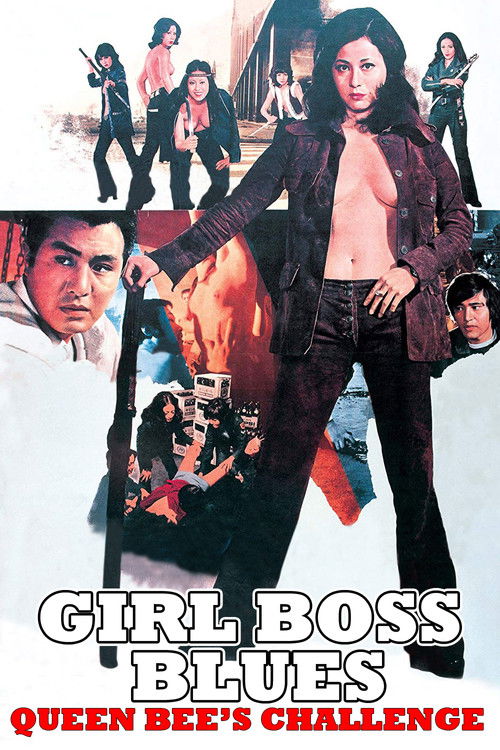
Girl Boss Blues - Queen Bee's Challenge
1972
No user ratings available yet
Representation score: 5.8 out of 10
Representation Score
Good
1971
Director
Norifumi Suzuki
Runtime
86 minutes
Average Rating
No ratings yetNew Showbiz Analysis
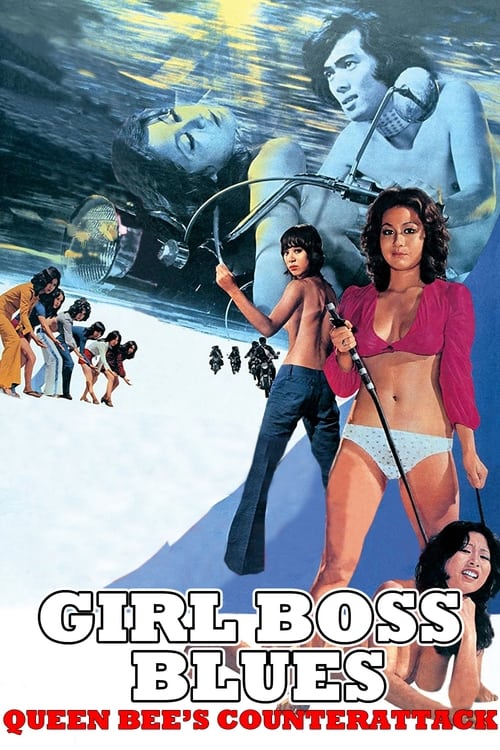
Girl Boss Blues: Queen Bee's Counterattack is a bold subversion of the male-dominated crime genre. By centering on a female leader navigating the violent world of the Yakuza, the film shifts the focus from patriarchal dominance to female leadership and ability to act. While the film lacks explicit LGBTQ+ representation or ethnic diversity, it excels in its cultural critique of institutional power. It uses the Japanese youth emancipation movement to challenge rigid social orders and established hierarchies.
Category Breakdown
The film does not explicitly depict same-sex relationships or non-binary gender identities. However, it highlights female solidarity and a strong bond among female characters that contrasts with traditional family structures.
The narrative places a female protagonist in a position of significant power, emphasizing her intellect and strength. She drives the plot, positioning the patriarchal Yakuza boss as an obstacle.
Set in 1970s Japan, the cast is ethnically uniform. The film provides a localized perspective on rebellion and youth liberation, avoiding a Western-centric viewpoint through its specific cultural context.
The story frames the Yakuza as a force challenged by youth movements, prioritizing individualistic rebellion against traditional authority and organized crime.
There is no depiction of physical or neurodivergent disabilities in the narrative.
Present on Screen
Limited or Absent
Official Synopsis
In the 1970s, the Japanese youth emancipation also found its way into the yakuza (crime) societies. A Girl Boss may have a choice between bikes, and between boyfriends. But she has to defend her choices the hard way, as her triumph and power over the girls' gang is questioned by her female rivals, and the all powerful Yakuza Boss. She inspires loyalty to her girls, and to men to the extent of many of them literally giving their lives for her - in a world of knife and gun fighting, bike and car chasing, and violent death.
1972
1975
1972

1964
1973

1973
1974
1956
No reviews yet. Be the first to share your thoughts on this movie!
Use the rating form above to leave a star rating and optional review.