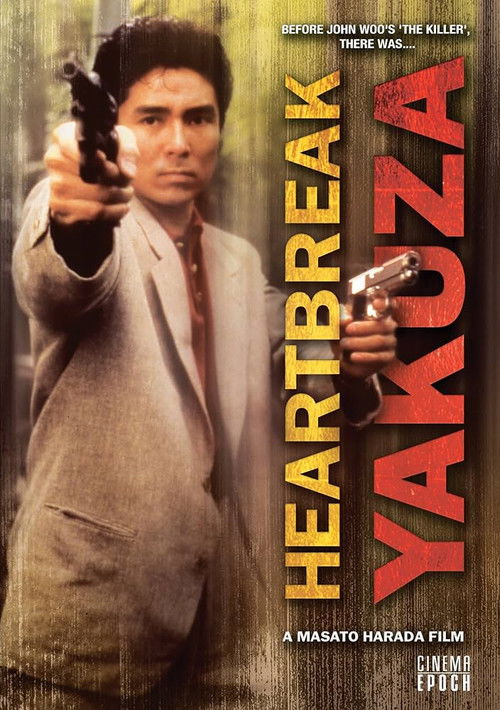
The Heartbreak Yakuza
1987
No user ratings available yet
Representation score: 5.2 out of 10

Representation Score
Fair
1964
Not RatedDirector
Masahiro Shinoda
Runtime
96 minutes
Average Rating
No ratings yetNew Showbiz Analysis
Pale Flower serves as a sophisticated exercise in narrative deconstruction. It avoids heroic archetypes common in mainstream cinema, opting instead for a nihilistic subjectivity that challenges established moral frameworks. The film's strength lies in its ability to expose the fragility of social hierarchies. By focusing on the urban underworld, it critiques the emptiness of modern, organized society through an existentialist lens. While the film lacks contemporary identity-based representation, it remains progressive in its cinematic approach. It successfully replaces clear-cut morality with a complex, situational ethics that disrupts traditional storytelling expectations.
Category Breakdown
The film does not include any LGBTQ+ characters or explore non-straight identities. The interpersonal dynamics revolve around an intense romantic pursuit between the male protagonist and the female lead.
The female lead challenges traditional submissive roles by taking a leading, active role. She destabilizes masculine dominance through her detachment and manipulation, showing significant influence over the story.
The cast is ethnically uniform, providing a specific Japanese perspective. The narrative offers a rare look into a underrepresented gambling underworld and its unique socioeconomic conditions.
The film dismantles traditional institutions by emphasizing moral relativism over conventional good and evil. It portrays social structures and legal authorities as hollow, irrelevant, or fundamentally empty.
There are no prominent depictions of physical or neurodivergent disabilities within the narrative.
Present on Screen
Limited or Absent
Official Synopsis
A recently released gangster has to cope with the recent shifts of power between gangs, while taking care of a thrill-seeking young woman, who got in bad company while gambling.
1987

1952
1960
1967

1968
1974
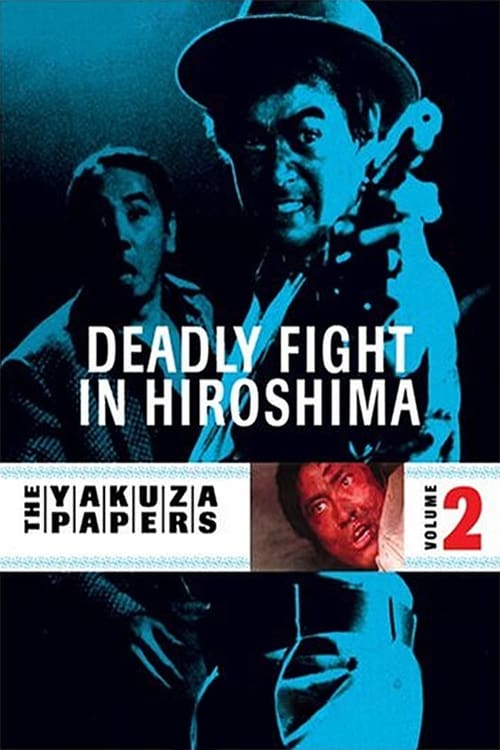
1973
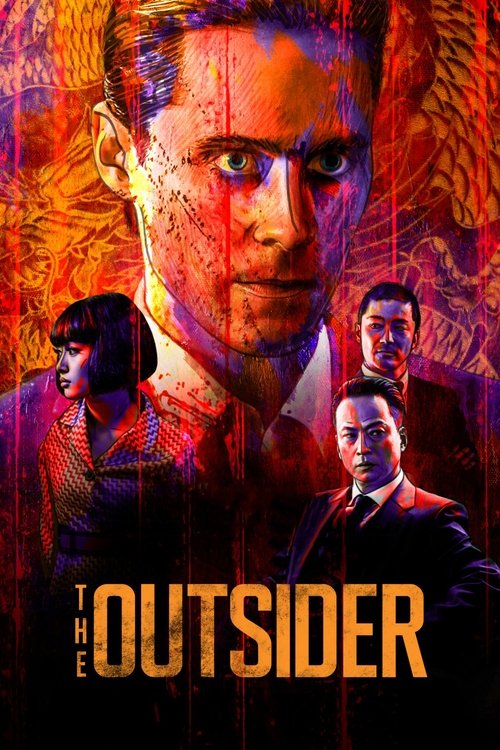
2018
No reviews yet. Be the first to share your thoughts on this movie!
Use the rating form above to leave a star rating and optional review.