
I Died a Thousand Times
1955
No user ratings available yet
Representation score: 1.8 out of 10
Representation Score
Minimal
1958
ApprovedDirector
Seth Holt
Runtime
99 minutes
Average Rating
No ratings yetNew Showbiz Analysis
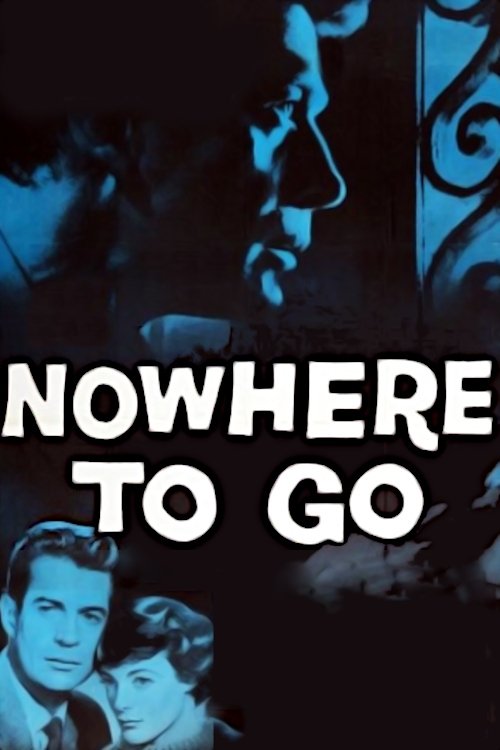
Nowhere to Go is a conventional mid-century British noir that emphasizes genre suspense over social disruption. It operates within the demographic homogeneity and social hierarchies typical of 1950s cinema. The film adheres to traditional norms, focusing on individual criminality rather than systemic critique. It lacks complexity in representing multiple aspects of diversity. Ultimately, the work functions as a standard crime thriller. It explores the tension between personal choices and the established social order without challenging the status quo.
Category Breakdown
The film does not include any non-straight or non-cisgender identities. The character interactions follow typical heterosexual patterns found in the noir genre.
Diana Burt has a moderate role in the story as she navigates a male-dominated criminal world. However, her involvement is centered around personal relationships rather than challenging systemic issues.
The casting reflects a predominantly Anglo-Saxon environment consistent with 1958 London. There is no indication of diverse ethnic perspectives or intentional racial blending.
The narrative examines the tension between respectability and crime within a Western context without questioning the status quo. It upholds existing social boundaries rather than breaking them down.
The film does not feature any characters with visible or invisible disabilities. There is no representation of neurodivergent individuals either.
Present on Screen
Limited or Absent
Official Synopsis
A professional thief is sprung from prison with the assistance of a new partner who wants to know where he's hid his loot.
1955

1955

1953

1954

1951

1949

1960

1950
No reviews yet. Be the first to share your thoughts on this movie!
Use the rating form above to leave a star rating and optional review.