Crime Wave
1953
No user ratings available yet
Representation score: 0.5 out of 10
Representation Score
Minimal
1951
ApprovedDirector
Robert Parrish
Runtime
79 minutes
Average Rating
No ratings yetNew Showbiz Analysis
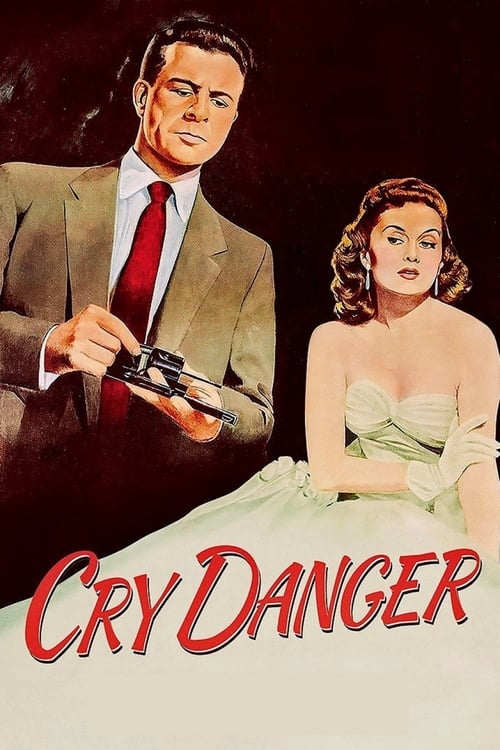
Cry Danger is a classic product of its time, reinforcing mid-century social hierarchies through a traditional narrative structure. The film centers on a male-driven moral struggle against community suspicion without exploring diverse identities. While the film provides a sophisticated critique of small-town social structures and mob mentality, it does so without challenging established demographic norms. The storytelling adheres to the conventional structures of the noir genre. Ultimately, the work lacks modern diverse representation, presenting a predominantly Anglo-centric worldview that does not address varied ethnic or social perspectives.
Category Breakdown
The film does not depict any LGBTQ+ identities or same-sex relationships. It reflects the era's strict focus on heterosexual relationships.
Female characters play supporting roles to the male protagonist and do not have the opportunity to drive the main storyline or challenge traditional gender roles.
The cast is mostly white and reflects a homogeneous society. There are no characters of color who have significant roles or diverse ethnic backgrounds.
The narrative criticizes the small-town mob mentality and social structures. However, it emphasizes individual moral integrity rather than examining existing cultural institutions.
There are no prominent depictions of visible or invisible disabilities. Characters are portrayed as having typical physical and mental abilities.
Present on Screen
Limited or Absent
Official Synopsis
After serving five years of a life sentence, Rocky Mulloy hopes to clear his friend who's still in prison for the same crime.
1953
1956
1955
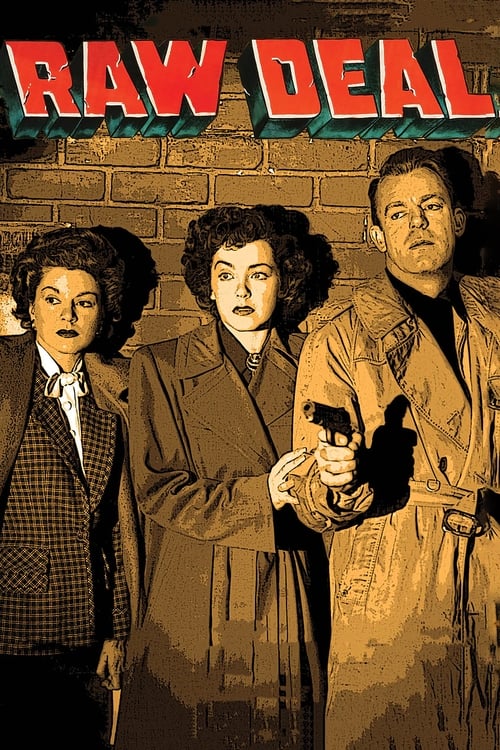
1948
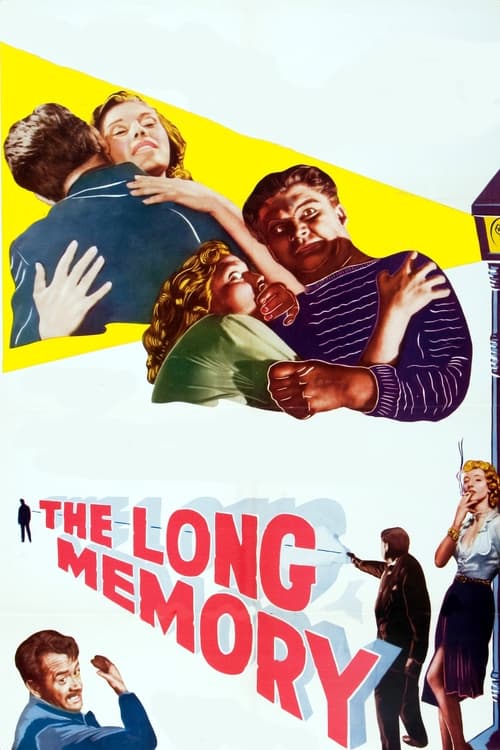
1953
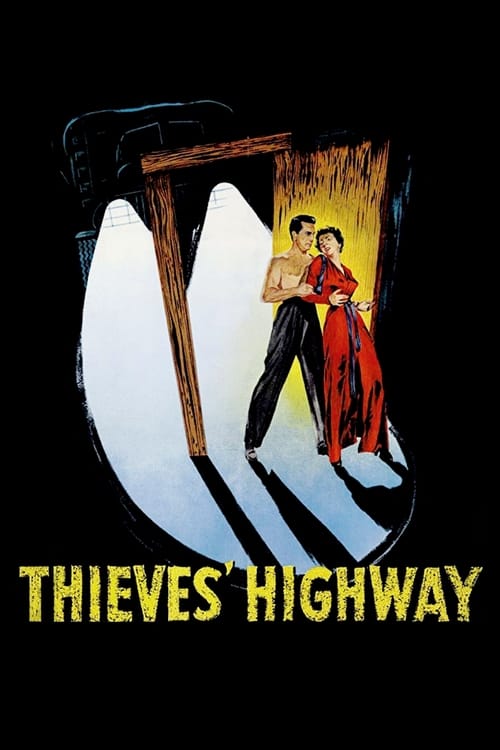
1949
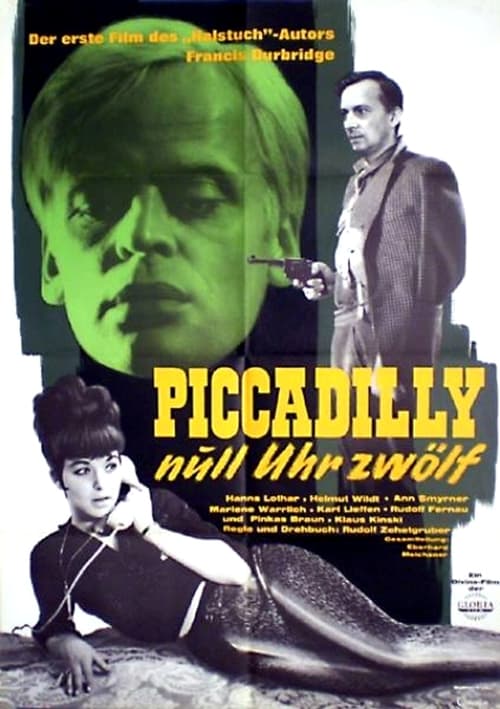
1963
1947
No reviews yet. Be the first to share your thoughts on this movie!
Use the rating form above to leave a star rating and optional review.