
Witness in the City
1959
No user ratings available yet
Diversity score: 2.7 out of 10
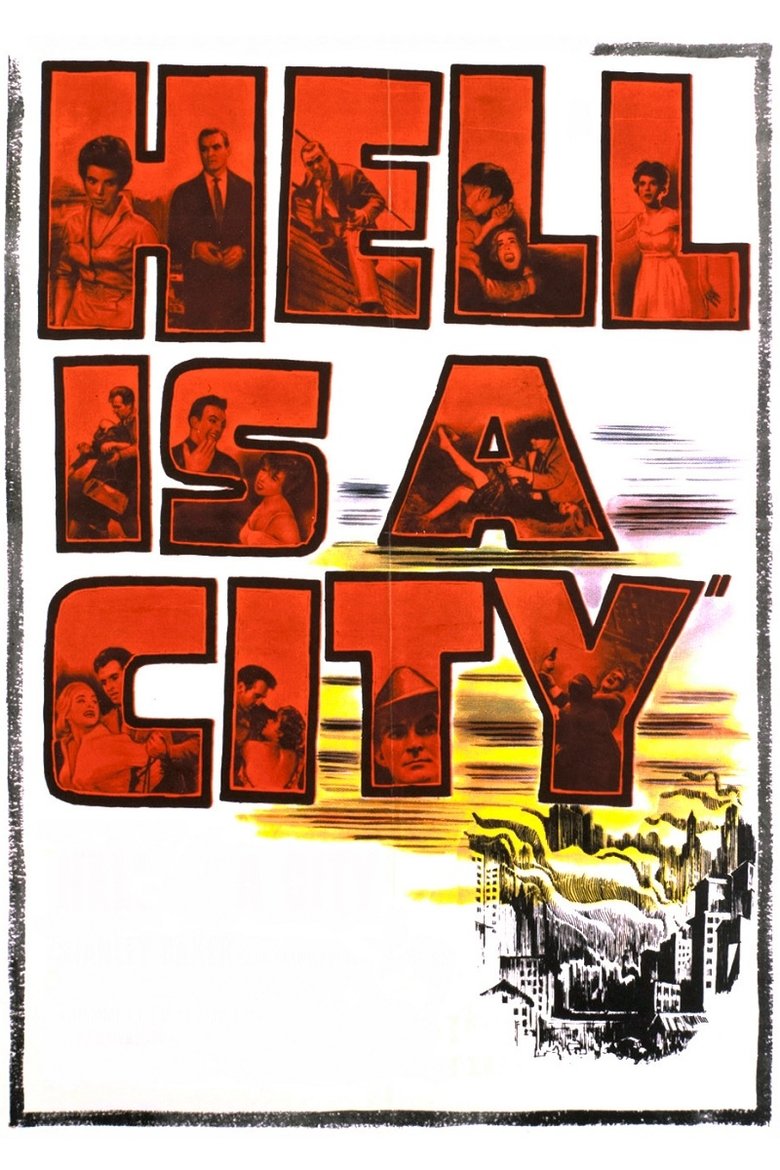
1960
NRDirector
Val Guest
Runtime
98 minutes
Average Rating
No ratings yetSynopsis
Set in Manchester, heartland of England's industrial north, Don Starling escapes from jail becoming England's most wanted man. Ruthless villain Starling together with his cronies engineered a robbery that resulted in the violent death of a young girl. Detective Inspector Martineau has been assigned to hunt him down and bring him in. From seedy barrooms, through gambling dens the trail leads to an explosive climax high on the rooftops of the city.
Overall Score
Minimal
Category Breakdown
LGBTQ+ Representation
The film operates within a strictly heteronormative framework. There is no visibility for non-cisnormative identities or same-sex intimacy.
Gender Representation
The narrative is driven by a male-dominated ensemble. Female characters are relegated to secondary, peripheral roles that do not drive the plot.
Racial & Ethnic Diversity
The cast is predominantly white, reflecting the demographic homogeneity of its era. The film lacks diverse ethnic ensembles or intersectional exploration.
Religious & Cultural Diversity
The story reinforces Western legal stability and social order. It depicts crime through a lens of consequence rather than deconstructing institutions.
Disability Representation
There is no representation of visible or invisible disabilities. Characters are portrayed through a lens of standard physical and mental capability.
Strengths
Areas for Improvement
AI Analysis
Hell Is a City is a traditional mid-century crime thriller that prioritizes genre tropes over intersectional representation. It functions as a product of its era, focusing on a narrow, male-centric perspective of urban conflict. The film reinforces established social hierarchies rather than disrupting them. The narrative centers on the clash between law enforcement and organized crime, leaving little room for diverse perspectives. It adheres to the social constraints of 1960, offering minimal visibility for marginalized groups.
1959
1956

1957
1954

1953
1955

1949

1951
1953

1970
1958
1961
No reviews yet. Be the first to share your thoughts on this movie!
Use the rating form above to leave a star rating and optional review.