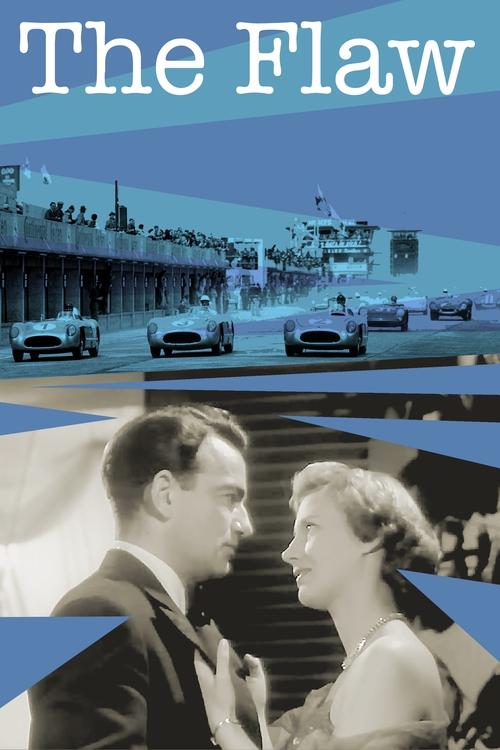
The Flaw
1955
No user ratings available yet
Representation score: 1.7 out of 10
Representation Score
Minimal
1957
NRDirector
Charles Saunders
Runtime
75 minutes
Average Rating
No ratings yetNew Showbiz Analysis
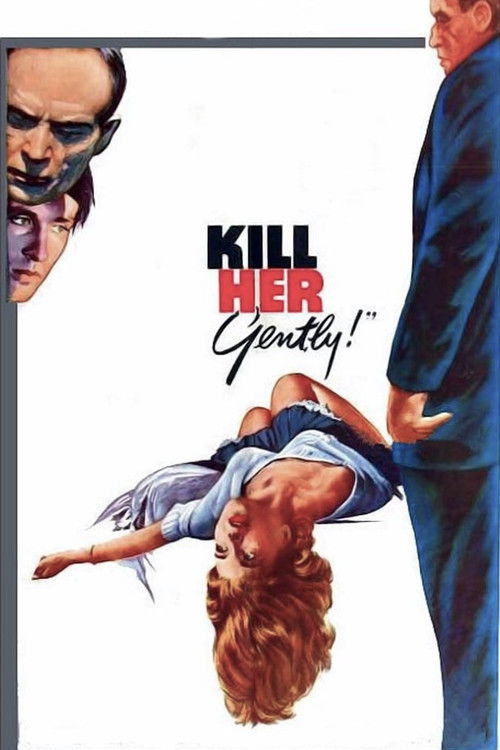
Kill Her Gently is a product of the mid-century independent B-movie circuit, adhering strictly to the social frameworks of 1950s crime cinema. The narrative is driven by a male protagonist who exercises ability to act through violence, while the female lead is relegated to a passive role. Because the film lacks complexity or intentional subversion of norms, it remains rooted in the era's traditional hierarchies. The focus is on character-driven moral failings rather than broader social critiques.
Category Breakdown
The film adheres to traditional 1950s structures that assume everyone is straight and cisgender. There are no narratives or identities that question standard gender roles.
The story centers around a male protagonist who drives the action, while the female character remains passive and lacks personal ability to act.
The film likely reflects the homogeneous casting norms of 1957. There is no evidence of a diverse cast or non-white majority representation.
The story focuses on individual criminality without critiquing systemic issues related to religion or Western institutions. It follows a standard crime-and-punishment trajectory.
There is no evidence of characters with visible or invisible disabilities within the narrative.
Present on Screen
Limited or Absent
Official Synopsis
A motorist picks up to escaped convicts. Instead of turning them over to the police he hires them to kill his wife.
1955
1958
1956

1977
1957
1942
1961
1955
No reviews yet. Be the first to share your thoughts on this movie!
Use the rating form above to leave a star rating and optional review.