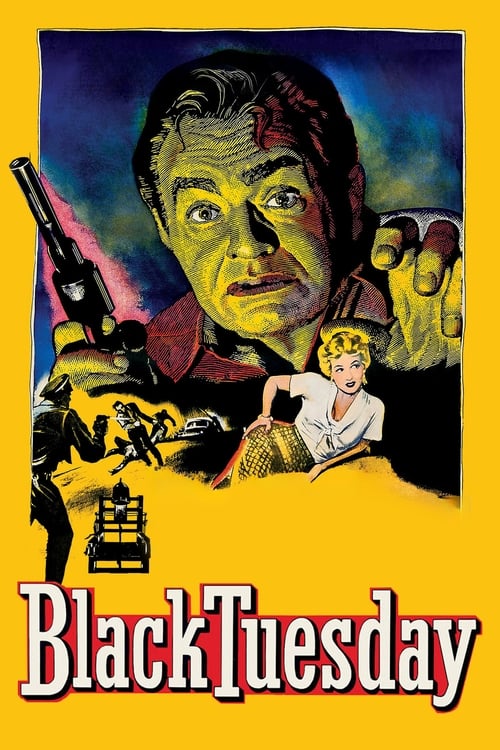
Black Tuesday
1954
No user ratings available yet
Diversity score: 1.7 out of 10

1972
RDirector
Douglas Hickox
Runtime
93 minutes
Average Rating
No ratings yetSynopsis
Imprisoned Harry Lomart is a vicious, brute of a man and yet he is prepared to do his long jail term as he is confident that on his release his beautiful wife Pat will be waiting for him, but a visit from Pat brings him his worst nightmare.
Overall Score
Minimal
Category Breakdown
LGBTQ+ Representation
The film follows a strictly heteronormative framework. There is no evidence of non-cisnormative gender identities or same-sex intimacy.
Gender Representation
The narrative reinforces traditional hierarchies through male-centric rivalry and physical agency. Female characters occupy secondary, reactive roles without significant power.
Racial & Ethnic Diversity
The cast and setting reflect the historical homogeneity of 1970s Westerns. The production relies on a predominantly white cast.
Religious & Cultural Diversity
The story operates within a traditional Western moral framework centered on bounty hunting. It lacks anti-capitalist or secularist perspectives.
Disability Representation
There are no visible or invisible disabilities portrayed with agency. Characters are defined by physical prowess rather than neurodivergence or impairment.
Strengths
Areas for Improvement
AI Analysis
Sitting Target is a quintessential example of traditional 1970s genre filmmaking. It relies heavily on established Western tropes, focusing on individualistic struggle and conventional social roles rather than narrative subversion. The film lacks intentionality regarding intersectional representation. It adheres to the standard social structures of its era, prioritizing professional codes of conduct and masculine leadership over diverse perspectives. Ultimately, the work functions as a period-typical crime thriller that reinforces existing cultural hierarchies rather than challenging them.
1954
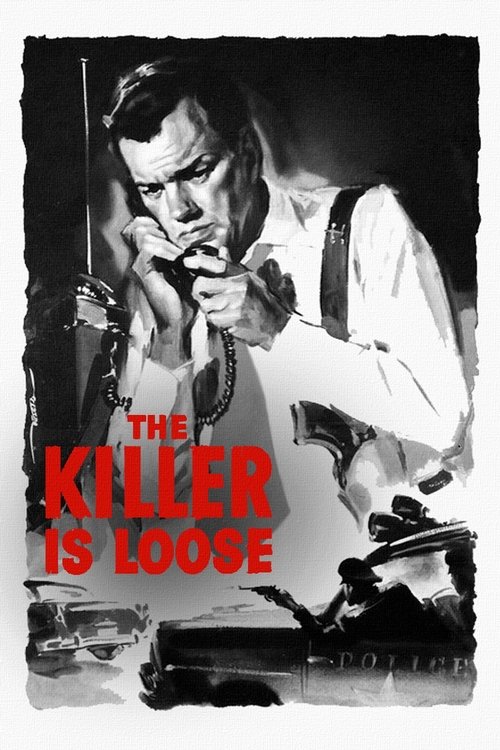
1956

1953

1951

1960
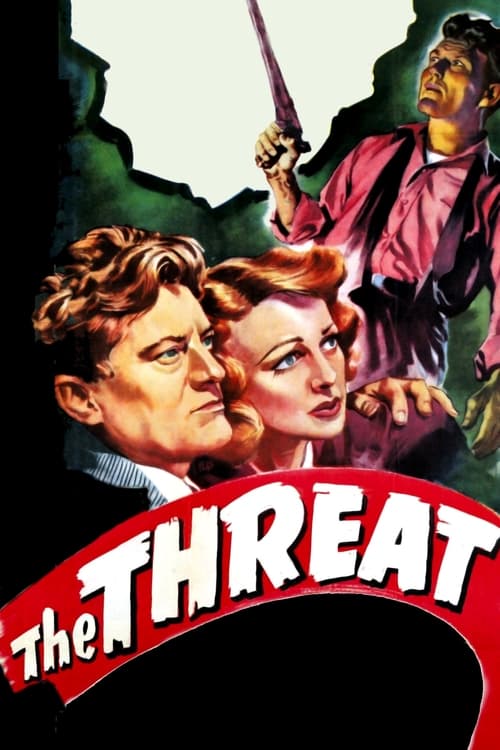
1949
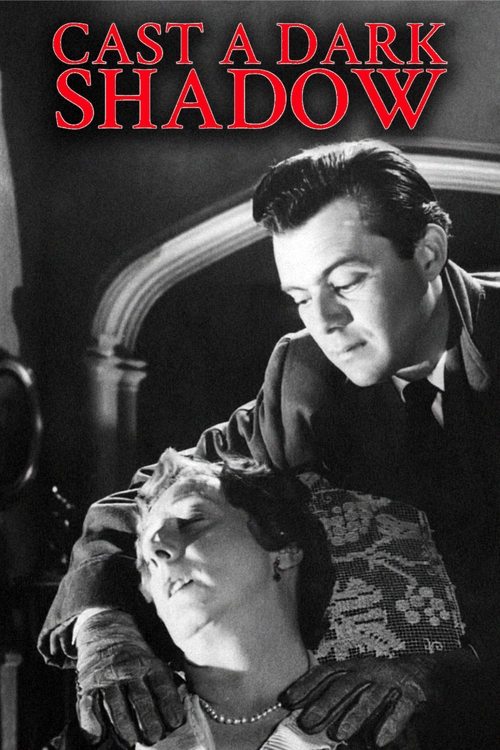
1955

1952

1958
1961
1957
1970
No reviews yet. Be the first to share your thoughts on this movie!
Use the rating form above to leave a star rating and optional review.