
Rififi
1955
No user ratings available yet
Representation score: 1.5 out of 10
Representation Score
Minimal
1954
NRDirector
Jacques Becker
Runtime
95 minutes
Average Rating
No ratings yetNew Showbiz Analysis
Jacques Becker’s film is a masterful exploration of the Parisian underworld, focusing on the tensions between generations within this closed community. It excels in depicting the professional identity and the erosion of traditional social orders. However, the film reflects the social constraints of 1954 rather than challenging them, maintaining conventional expectations regarding identity. The narrative emphasizes the realism of the criminal experience over the subversion of systemic hierarchies, resulting in a homogenous demographic portrayal.
Category Breakdown
The film adheres to an assumption that everyone is straight or cisgender, focusing on the romantic and domestic lives of male characters without any representation of LGBTQ+ identities.
The narrative reinforces traditional gender roles, with Max serving as the central authority figure, while female characters like Josey primarily serve to create plot tension through romantic relationships.
The film presents a homogeneous social environment reflecting mid-century Parisian society. There is no racial diversity or casting that includes non-white actors.
The story explores the moral codes of the criminal underworld, portraying crime as a vocation rather than a systemic rebellion against societal norms.
There are no characters with visible or invisible disabilities in the main cast. No characters with disabilities are used as narrative devices.
Present on Screen
Limited or Absent
Official Synopsis
Gentleman gangster Max and his partner, Riton, pull off their last, most successful heist and find themselves comfortable enough to retire in the style they enjoy. However, Max confides the details of the theft to his younger mistress, Josey -- who has secretly taken up with ambitious young rival gangster Angelo. Angelo then has Riton kidnapped and demands the stash of gold as ransom, which threatens Max's dreams of the perfect retirement.
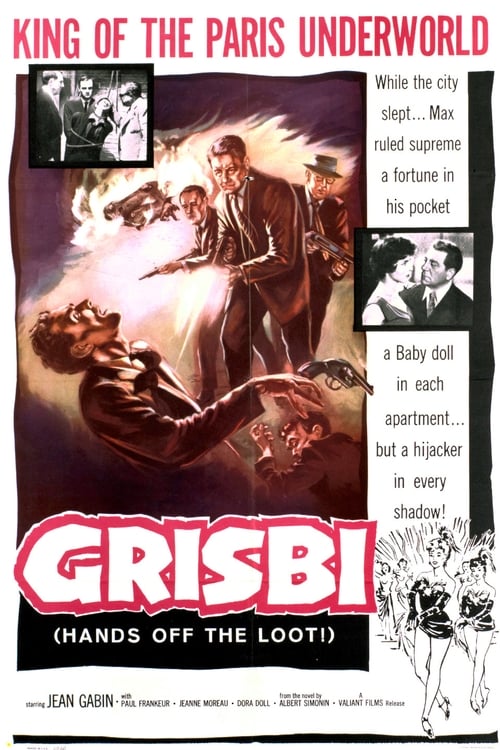
1955
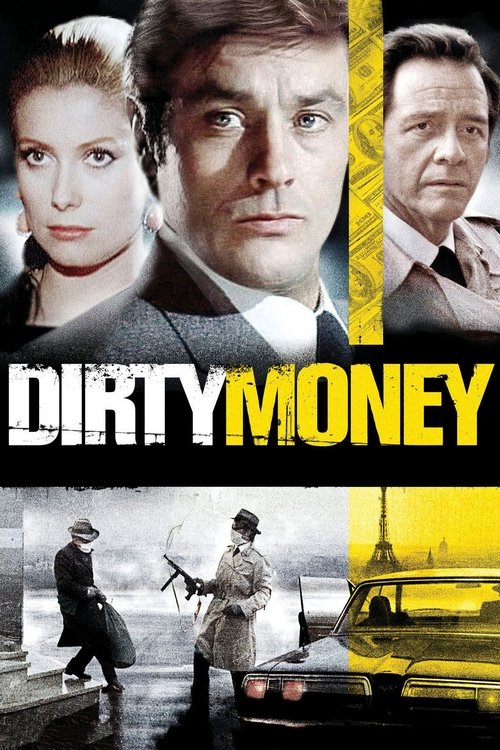
1972
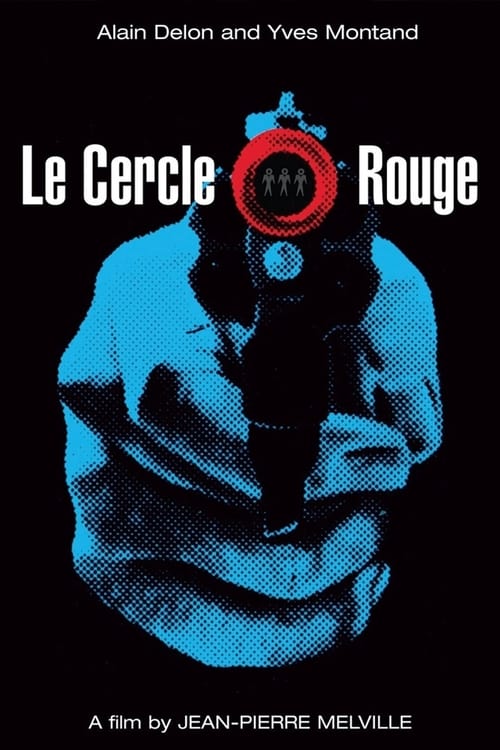
1970
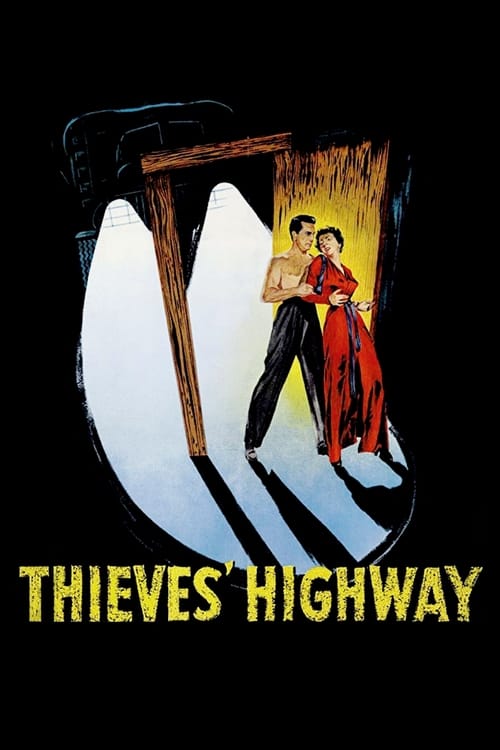
1949

1972

1950
1960

1949
No reviews yet. Be the first to share your thoughts on this movie!
Use the rating form above to leave a star rating and optional review.