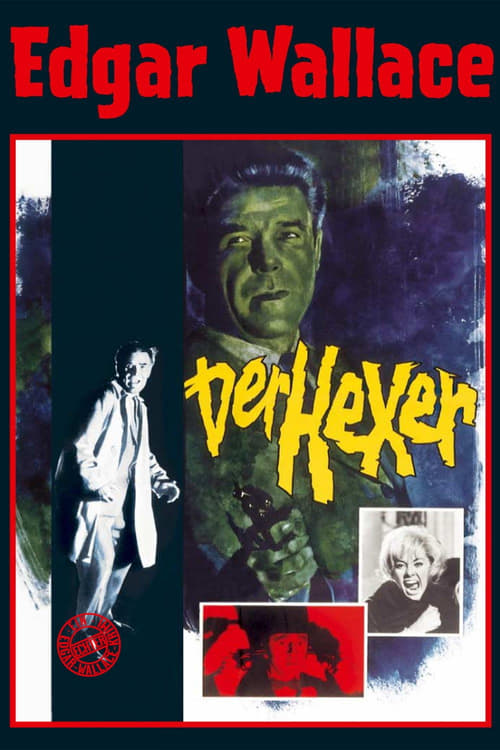
The Mysterious Magician
1964
No user ratings available yet
Representation score: 2.2 out of 10
Representation Score
Limited
1965
Director
Alfred Vohrer
Runtime
95 minutes
Average Rating
No ratings yetNew Showbiz Analysis
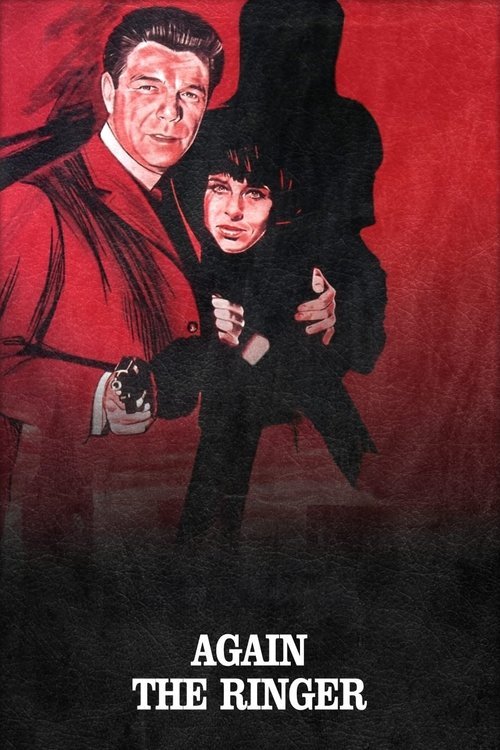
The film 'Again the Ringer' is a mid-century crime thriller that prioritizes genre-driven suspense over exploring complex identities. The narrative focuses on Arthur Milton's quest for exoneration, following a standard procedural arc common to the era. The film adheres to traditional Western frameworks, reflecting the demographic and social norms of 1965. It lacks the intentional subversion of social hierarchies or the complex identity-based storytelling found in more progressive cinema. Ultimately, the work functions as a stylistic piece of German genre cinema, emphasizing tension and legal suspicion rather than social or cultural critique.
Category Breakdown
The film does not include any characters with non-conforming gender identities. It follows the traditional social structures of the time.
The story revolves around a single male character. There is no portrayal of masculinity in a non-traditional way or subversion of traditional gender roles.
Set in London, the film reflects the demographic composition typical of the mid-century era. There is no indication of a diverse or non-white-majority cast.
The narrative follows a traditional crime-and-exoneration storyline. It upholds established legal and social orders without offering critiques of Western institutions.
There is no information available regarding the inclusion of neurodivergence or physical disabilities within the film.
Present on Screen
Limited or Absent
Official Synopsis
Arthur Milton aka Der Hexer (The Magician/Ringer) must return to London after his calling card was left at the scene of a murder he did not commit.
1964
1956
1958
1958
1964
1960
1938
1960
No reviews yet. Be the first to share your thoughts on this movie!
Use the rating form above to leave a star rating and optional review.