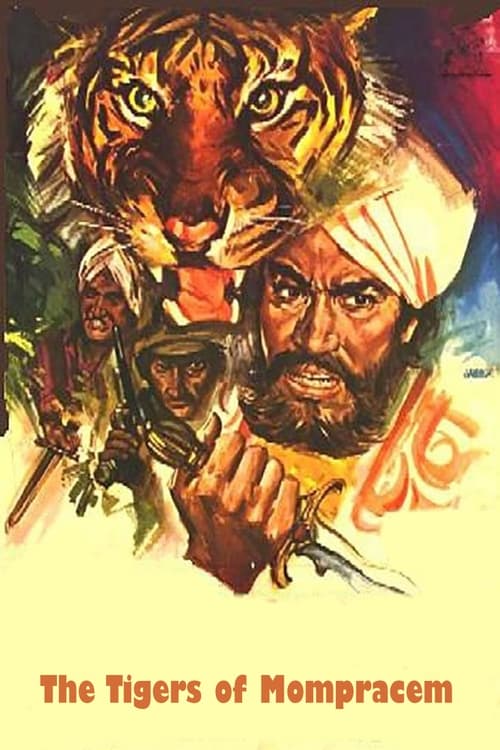
The Tigers of Mompracem
1970
No user ratings available yet
Representation score: 2.5 out of 10
Representation Score
Limited
1963
NRDirector
Umberto Lenzi
Runtime
90 minutes
Average Rating
No ratings yetNew Showbiz Analysis
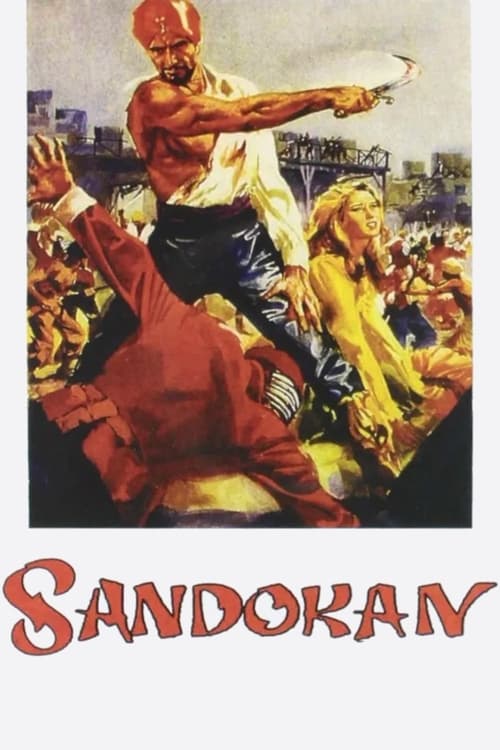
Sandokan the Great functions as a period adventure that challenges Western hegemony by framing the British Empire as an oppressive force. However, the film's impact is limited by its Eurocentric casting. The film adheres to mid-century social norms regarding gender and sexuality, failing to challenge traditional hierarchies or provide non-conventional representations.
Category Breakdown
The film follows a conventional structure typical of 1960s adventure cinema, with no evidence of LGBTQ+ identities or non-traditional gender expressions.
Gender hierarchies are strictly maintained, with male characters driving the action and female characters primarily serving as romantic interests or figures needing rescue.
The film introduces a Eurocentric lens by casting a white actor as the Malay hero, though it provides a platform for Southeast Asian actors in supporting roles.
The narrative uses an anti-colonial framework, positioning the British Empire as the antagonist and centering the struggle of colonized peoples against imperialist structures.
There are no prominent depictions of physical or neurodivergent disabilities that serve as central narrative elements.
Present on Screen
Limited or Absent
Official Synopsis
After the capture of the Sultan of Muluder, Sandokan, the sultan's son, leads a guerilla army through treacherous jungles to free his father and defeat Queen Victoria's army of invaders.
1970
1966
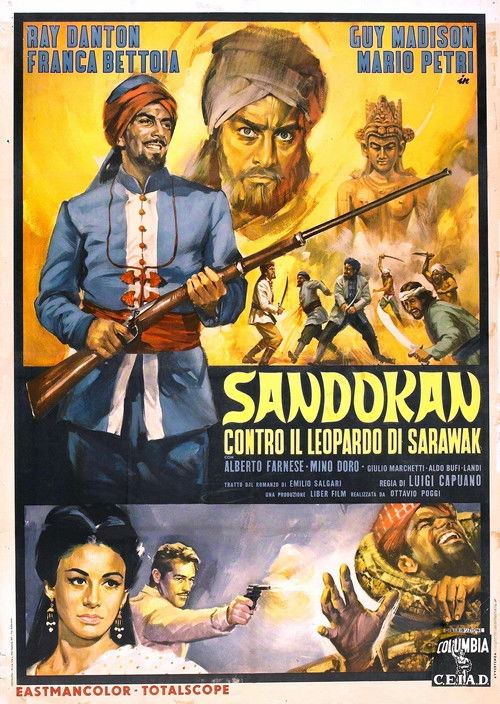
1964
1959
1964

1954
1961
1977
No reviews yet. Be the first to share your thoughts on this movie!
Use the rating form above to leave a star rating and optional review.