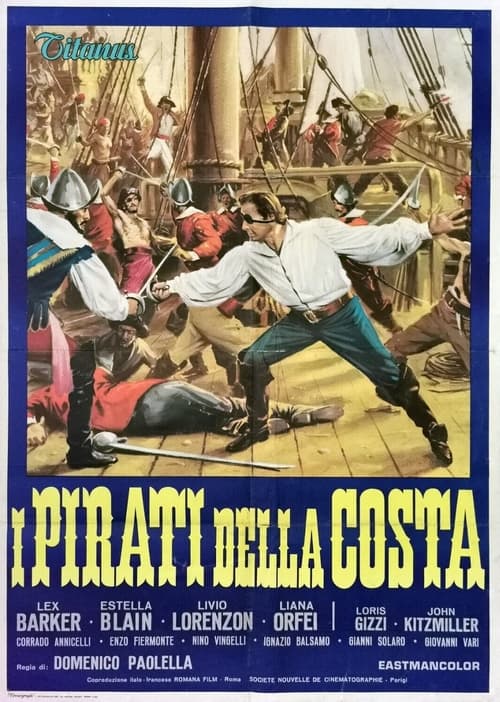
Pirates of the Coast
1960
No user ratings available yet
Representation score: 3.2 out of 10
Representation Score
Minimal
1966
Director
Sergio Bergonzelli, Roy Rowland
Runtime
97 minutes
Average Rating
No ratings yetNew Showbiz Analysis
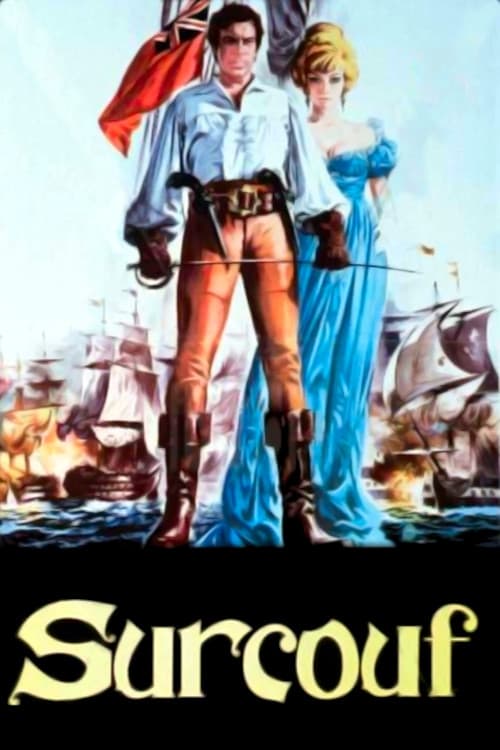
The Big Hit of Surcouf is a classic maritime adventure from the 1960s, centered on the legendary exploits of a male captain. Its narrative structure emphasizes masculine authority and traditional social hierarchies. Following mid-century genre conventions, the film does not meet modern diversity standards. The focus remains on individual heroism and Western adventure clichés, which often sideline non-traditional identities and diverse perspectives. Overall, the film reflects the conventional casting and storytelling patterns of the mid-1960s, prioritizing established adventure archetypes over social subversion or inclusive representation.
Category Breakdown
The film follows mid-century adventure conventions, emphasizing straight and cisgender camaraderie among men. There is no indication of queer themes or non-binary gender identities in the story.
The story focuses on a male captain and his crew, reinforcing traditional masculine leadership. Female characters are mostly seen as romantic interests or in need of rescue.
Set in a maritime context typical of the 1960s, the film might include characters of color in minor or stereotypical roles without much influence on the plot.
The narrative follows traditional Western adventure stories centered on individual heroism. It aligns with established social hierarchies and nationalistic values without critiquing cultural norms.
The film does not show any characters with physical or neurodivergent disabilities.
Present on Screen
Limited or Absent
Official Synopsis
The continuation of the adventures of Captain Robert Surcouf and his crew.
1960
1967
1960
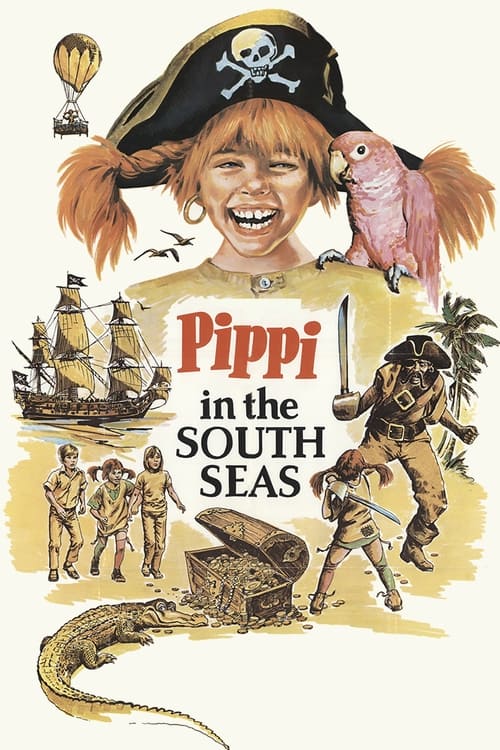
1970
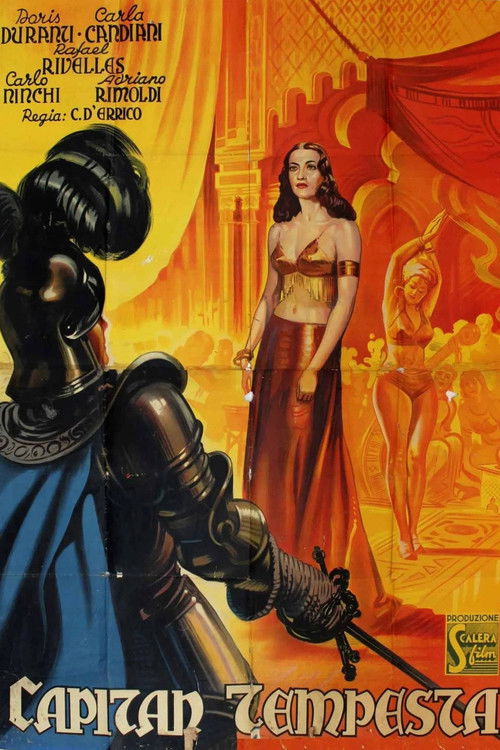
1942
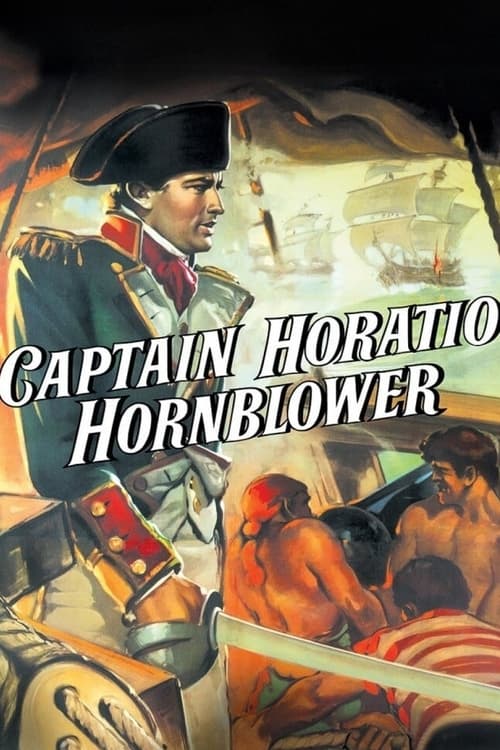
1951
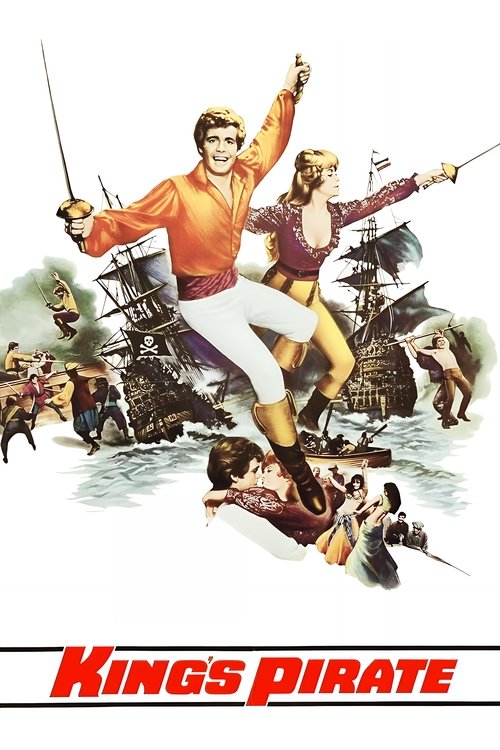
1967

1952
No reviews yet. Be the first to share your thoughts on this movie!
Use the rating form above to leave a star rating and optional review.