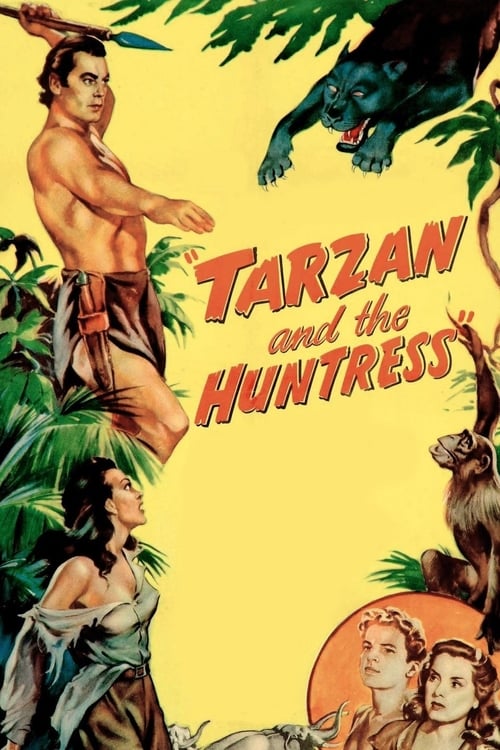
Tarzan and the Huntress
1947
No user ratings available yet
Representation score: 1.0 out of 10
Representation Score
Minimal
1957
GDirector
H. Bruce Humberstone
Runtime
86 minutes
Average Rating
No ratings yetNew Showbiz Analysis
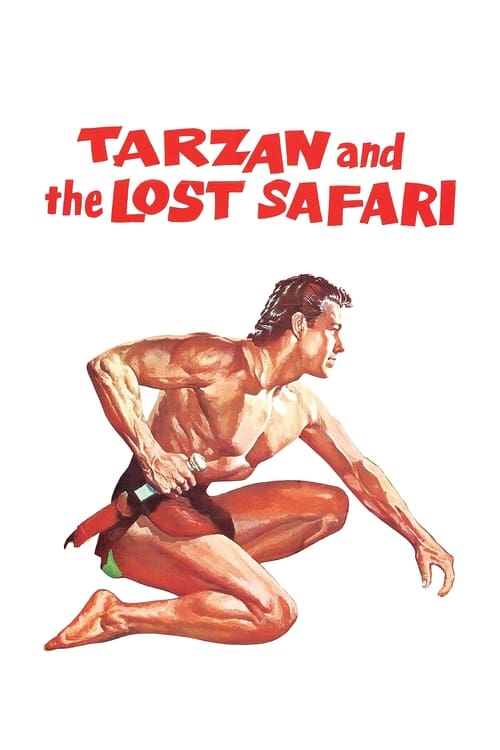
Tarzan and the Lost Safari is a quintessential mid-century adventure film that emphasizes established social hierarchies and conventional archetypes. It operates through a colonial-era lens, centering Western protagonists while treating the African setting and its inhabitants as mere backdrops. Character dynamics reinforce traditional roles, particularly regarding gender and racial ability to act. The narrative lacks the complexity or intentionality needed to challenge the era's standard moral dichotomies or provide depth in representing diverse identities.
Category Breakdown
The film does not include any visible LGBTQ+ characters or identities that challenge traditional heterosexual norms. The romantic relationship focuses solely on the classic pairing of Tarzan and Jane.
Jane is portrayed mainly in a supportive role to Tarzan. Leadership and physical ability to act are concentrated in the male protagonist, reflecting traditional gender roles typical of mid-century films.
The main characters are predominantly white, with the African setting serving largely as a backdrop for Western adventure. Local populations are depicted minimally, emphasizing the colonial perspective of the time.
The film adheres to a traditional view of authority and the natural order, functioning as a conventional morality tale without critiquing systemic power structures.
The film does not focus on any visible or invisible disabilities. There are no characters using disability as a narrative device or plot catalyst.
Present on Screen
Limited or Absent
Official Synopsis
Tarzan leads five passengers from a downed airplane out of the jungle. En route white hunter Hawkins tries to sell them to the Oparian chief.
1947
1936
1959
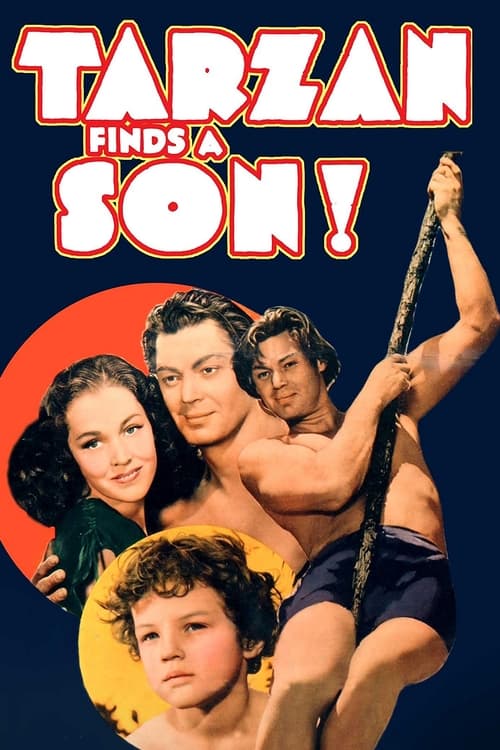
1939
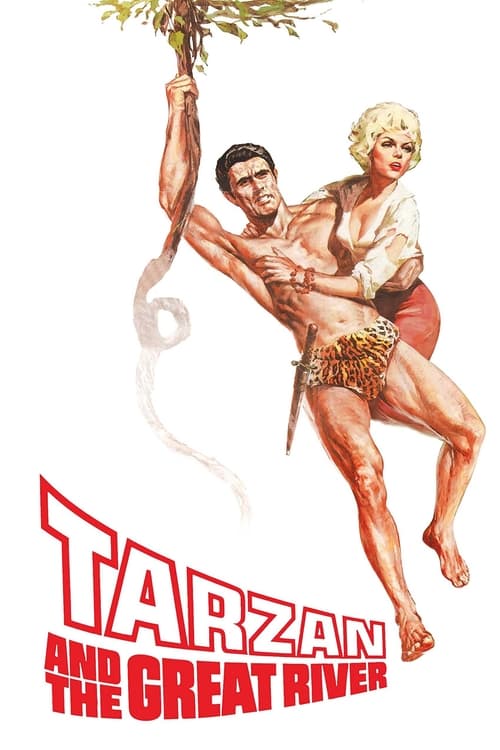
1967
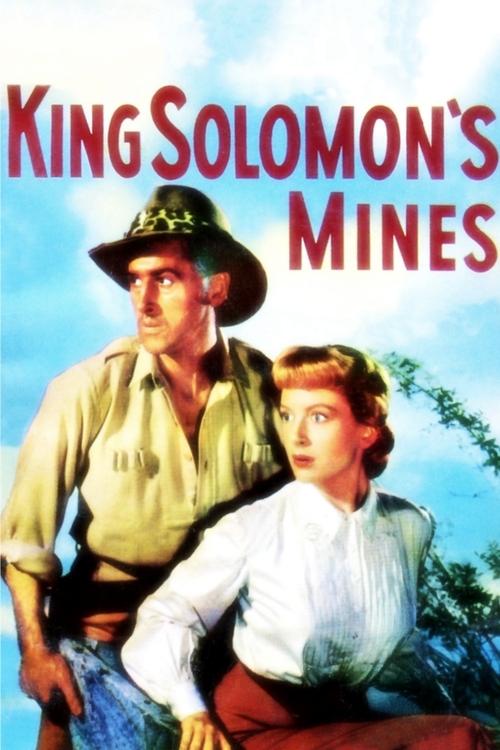
1950
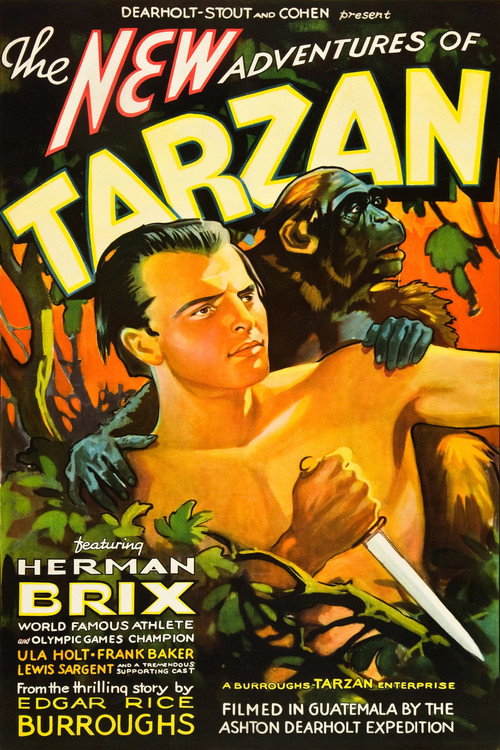
1935
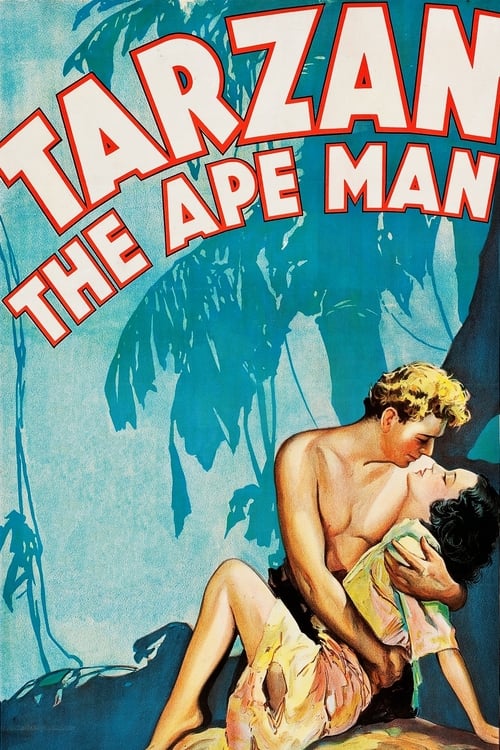
1932
No reviews yet. Be the first to share your thoughts on this movie!
Use the rating form above to leave a star rating and optional review.