
Tarzan in the Golden Grotto
1969
No user ratings available yet
Representation score: 2.6 out of 10
Representation Score
Minimal
1967
GDirector
Robert Day
Runtime
88 minutes
Average Rating
No ratings yetNew Showbiz Analysis
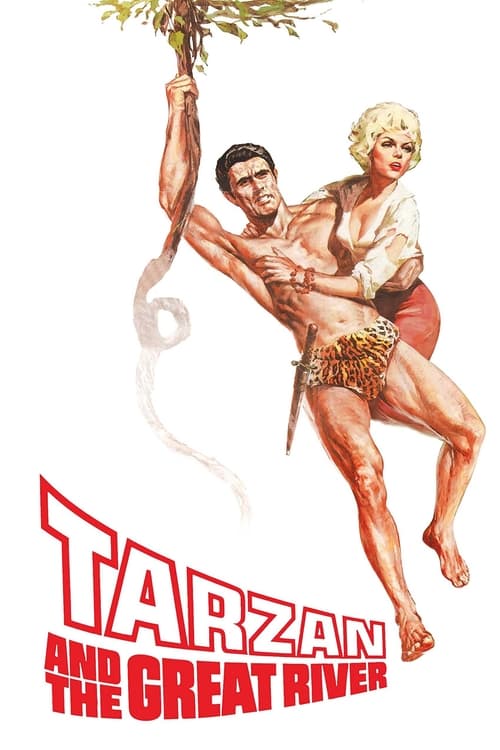
Tarzan and the Great River is a classic 1960s adventure film that emphasizes traditional genre clichés over social complexity. The narrative centers on a heroic male figure, reinforcing conventional Western perspectives on morality and social roles. The film relies on traditional hierarchies. While it features a professional female lead, her role remains secondary to the male hero, and indigenous characters serve as background elements rather than having complex arcs. Overall, the film minimally challenges the cultural or gender norms of its time, presenting a typical colonial-era adventure story.
Category Breakdown
The film does not include any LGBTQ+ characters or explore non-straight relationships. It follows the conventional romantic and social structures of the 1960s.
The narrative upholds traditional gender roles. Although the female lead is a doctor, she mainly serves as a companion to the male protagonist.
The cast is primarily Anglo-Saxon, focusing on a white protagonist. Indigenous characters play minor roles and have limited ability to act.
The film presents a traditional moral binary where the hero defends the natural order. It frames conflicts as individual moral failings rather than systemic issues.
There are no prominent depictions of visible or invisible disabilities. Characters are defined by the physical requirements of the adventure genre.
Present on Screen
Limited or Absent
Official Synopsis
Tarzan is summoned to Brazil by an old friend to stop an evil tribal cult from destroying native villages and enslaving the survivors. The Lord of the Jungle is accompanied on his quest by a pretty blonde doctor, a boy and a grizzled sea captain.
1969
1936
1959
1939

1966

1954

1957

1950
No reviews yet. Be the first to share your thoughts on this movie!
Use the rating form above to leave a star rating and optional review.