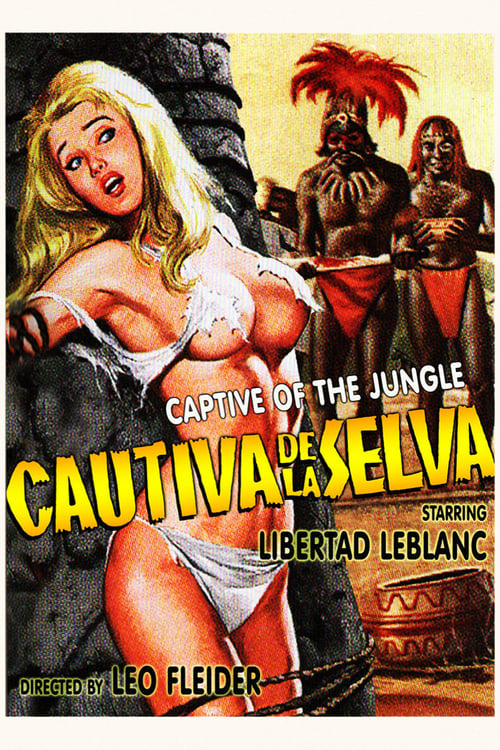
Cautiva en la selva
1969
No user ratings available yet
Representation score: 2.0 out of 10
Representation Score
Limited
1963
Director
Jean-Gabriel Albicocco
Runtime
94 minutes
Average Rating
No ratings yetNew Showbiz Analysis
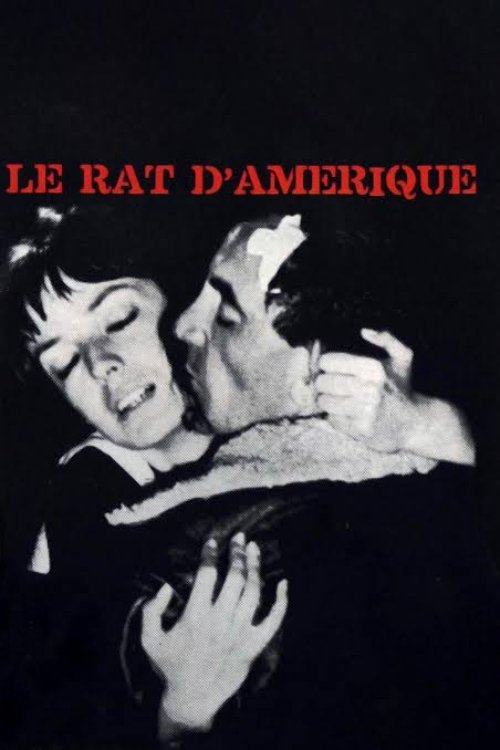
Rat Trap (1963) is a period adventure drama that prioritizes themes of displacement and individual morality over diverse representation. While it challenges the cliché of the stable, heroic leader by following a protagonist caught in a cycle of criminality, the perspective remains deeply Eurocentric. The film uses its South American setting primarily as a backdrop for a French outsider's journey. This focus limits the depth of local cultural or racial representation, keeping the narrative anchored in the immigrant experience. Ultimately, the film's strength lies in its exploration of situational ethics and the breakdown of social order, even as it fails to provide meaningful diversity across most identity categories.
Category Breakdown
The film focuses on a traditional romantic relationship between Charles and his female companion. It does not include characters with non-binary genders or narratives that question the assumption that everyone is straight.
The female lead faces significant hardship and systemic violence, although her role remains largely reactive to the male protagonist. The film avoids traditional authority clichés by centering on a fugitive outsider.
Set in Paraguay, the story focuses on the experiences of European immigrants rather than the local population. The narrative engine is driven by a French protagonist navigating a politically unstable environment.
The film explores moral relativism and skepticism toward established hierarchies. It critiques traditional Western notions of stability through its depiction of outlaws and chaotic political landscapes.
There are no visible or invisible disabilities portrayed with ability to act. Characters with disabilities are not used as plot devices within the narrative.
Present on Screen
Limited or Absent
Official Synopsis
This South American adventure drama finds Charles (Charles Aznavour), a youthful Frenchman traveling to Paraguay to start a new life. Seeking out a rich uncle, the idealistic nephew is rejected by his miserly relation, and he goes on to get involved with a shady woman and a band of gun runners who supply arms for the revolution of the week. Charles and his new girlfriend head for the border after a shootout with federal troops, and a kindly railroad worker hides the couple in an abandoned copper mine. Charles is later thrown in prison while the girl becomes a concubine, but her violator is killed when Charles escapes to rescue her and exact revenge. A pretty harrowing composition could be written by the young couple on "How I Spent My Summer Vacation."
1969

1965
1977

1964
1964
1954
1959
1956
No reviews yet. Be the first to share your thoughts on this movie!
Use the rating form above to leave a star rating and optional review.