PlayTime
1967
No user ratings available yet
Representation score: 6.2 out of 10
Representation Score
Limited
1958
NRDirector
Jacques Tati
Runtime
118 minutes
Average Rating
No ratings yetNew Showbiz Analysis
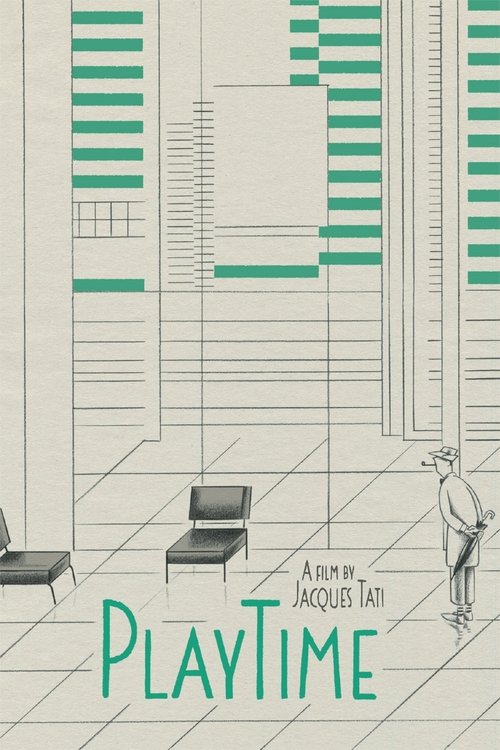
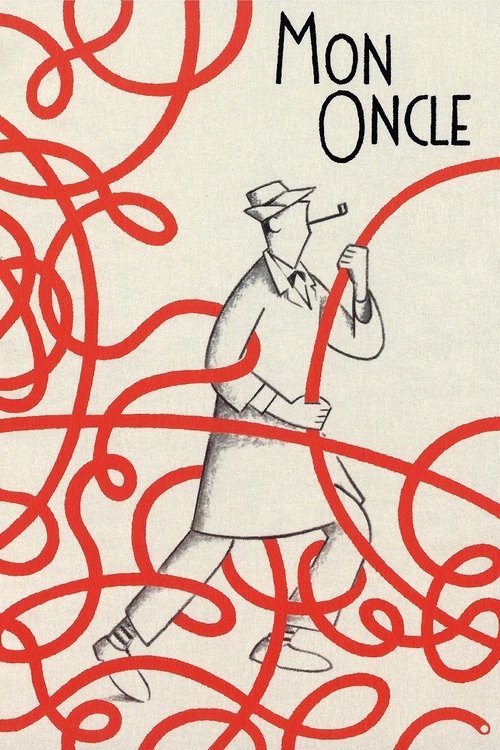
Jacques Tati’s film is a visual satire that prioritizes systemic critique over demographic representation. It effectively uses architectural comedy to challenge the dehumanizing effects of modern technology and capitalist efficiency. However, the film lacks diversity in terms of race, gender, and disability. The cast is homogeneously white and focuses on traditional gender roles and family structures.
Category Breakdown
The film follows a traditional mid-century perspective focused on straight relationships and family structures. It does not include characters with diverse gender identities or same-sex relationships.
The film highlights traditional gender roles through contrasting domestic archetypes. While the aunt embodies consumerist values, the narrative centers on the comedic antics of the male character, Monsieur Hulot.
Set in a stylized mid-century France, the film features a predominantly white, middle-class cast. There is no representation of racial or ethnic diversity.
The film critiques the rapid industrialization and consumer capitalism by showing the dehumanizing effects of modern Western institutions. It portrays these institutions as absurd and dehumanizing.
The film does not center characters with visible or invisible disabilities. Hulot’s bumbling nature is portrayed as a comedic archetype rather than a specific disability.
Present on Screen
Limited or Absent
Official Synopsis
Genial, bumbling Monsieur Hulot loves his top-floor apartment in a grimy corner of the city, and cannot fathom why his sister's family has moved to the suburbs. Their house is an ultra-modern nightmare, which Hulot only visits for the sake of stealing away his rambunctious young nephew. Hulot's sister, however, wants to win him over to her new way of life, and conspires to set him up with a wife and job.
1967
1953

1971
1965
1948

1989

1932
1961
No reviews yet. Be the first to share your thoughts on this movie!
Use the rating form above to leave a star rating and optional review.