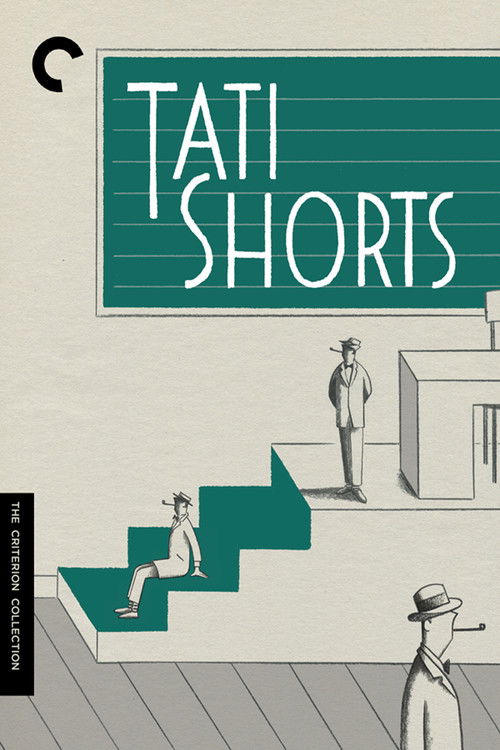
School for Postmen
1946
No user ratings available yet
Representation score: 2.7 out of 10
Representation Score
Limited
1949
Not RatedDirector
Jacques Tati
Runtime
86 minutes
Average Rating
No ratings yetNew Showbiz Analysis
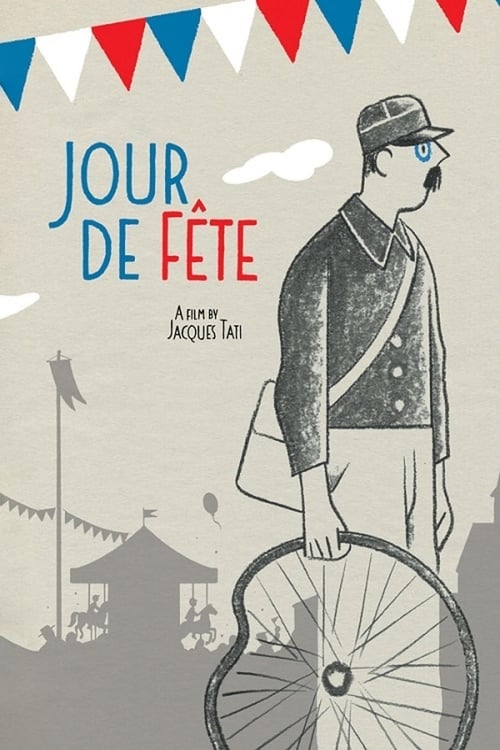
Jacques Tati’s film excels as a visual comedy and formalist experiment, using kinetic movement to deconstruct social rigidity. It effectively portrays Monsieur Hulot and the absurdity of social etiquette. However, the narrative remains firmly rooted in its mid-century European context, lacking intentional characters who reflect more than one aspect of diversity. It upholds traditional views of community, gender, and ethnicity. Ultimately, the film's subversion is primarily aesthetic, offering limited engagement with underrepresented identities or the disruption of established social hierarchies.
Category Breakdown
The film focuses on a traditional wedding ceremony and does not include any characters with non-conforming gender identities or narratives that challenge the assumption that everyone is straight or cisgender.
Gender roles in the film reflect mid-century social norms. The disruption of the wedding ceremony is due to physical ineptitude rather than a challenge to gendered power structures or female empowerment.
The film is set in a highly homogeneous rural French community with no non-white actors, reinforcing a singular, localized cultural identity.
Tati examines the tension between individual spontaneity and communal institutions through a comedic lens, focusing on social etiquette rather than a systemic critique of institutions.
Monsieur Hulot's physical clumsiness is used for slapstick comedy and serves the film's comedic rhythm without providing a nuanced exploration of disability or neurodivergence.
Present on Screen
Limited or Absent
Official Synopsis
Jour de Fête tells the story of an inept and easily-distracted French mailman who frequently interrupts his duties to converse with the local inhabitants, as well as inspect the traveling fair that has come to his small community. Influenced by too much wine and a newsreel account of rapid transportation methods used by the United States postal system, he goes to hilarious lengths to speed the delivery of mail while aboard his bicycle.
1946
1953
1971

1960
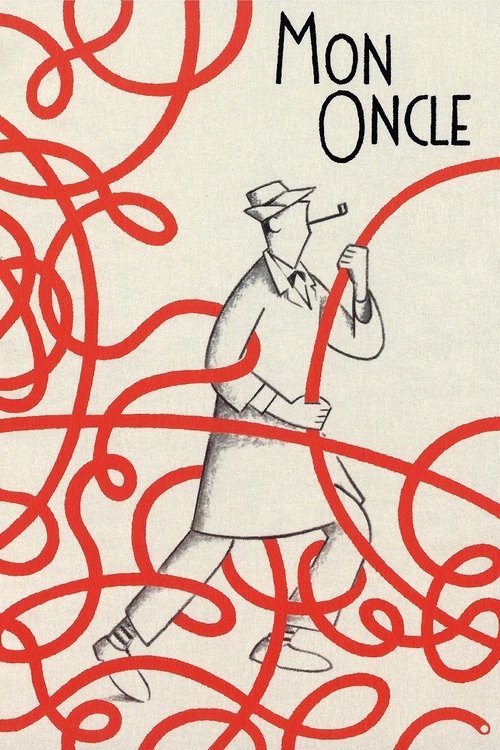
1958
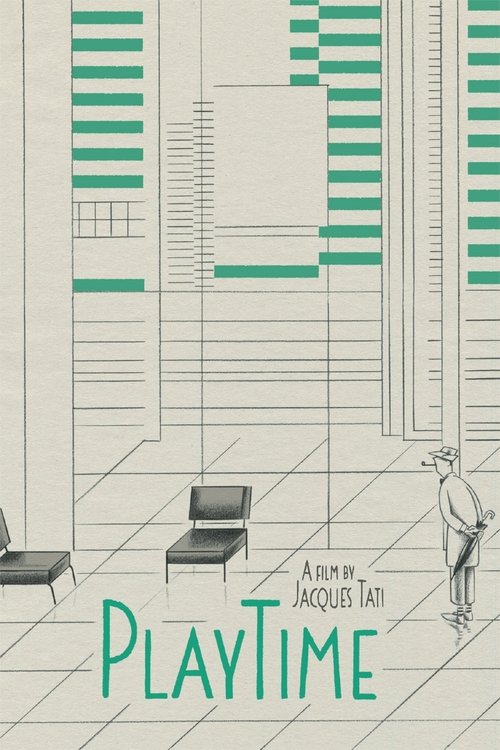
1967
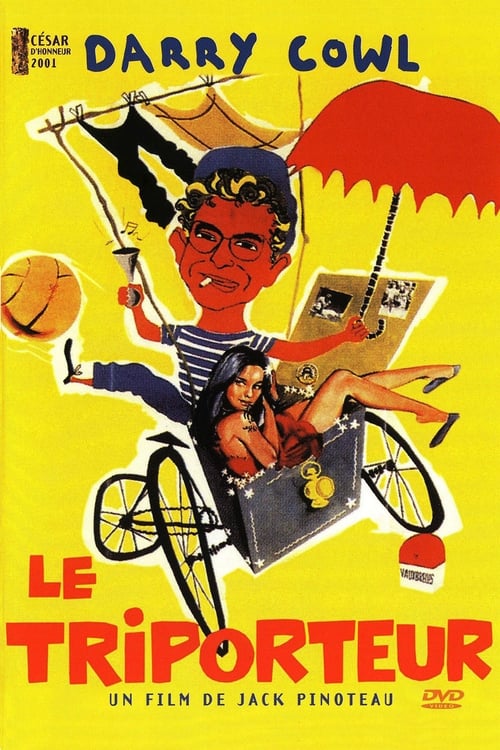
1957

1957
No reviews yet. Be the first to share your thoughts on this movie!
Use the rating form above to leave a star rating and optional review.