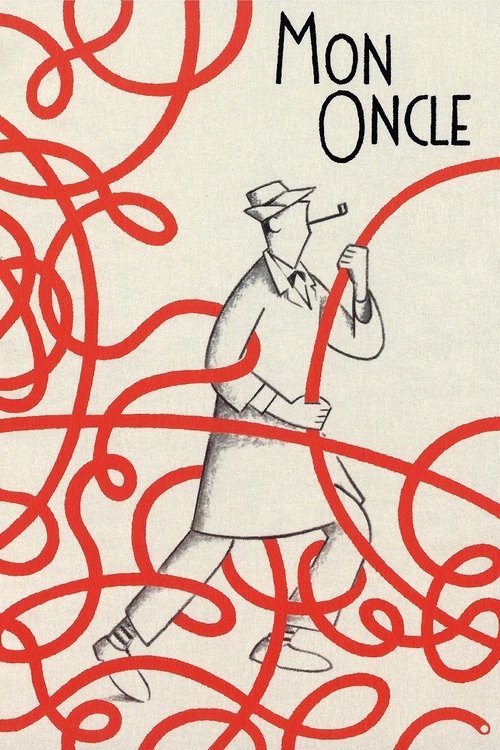
Mon Oncle
1958
No user ratings available yet
Representation score: 3.8 out of 10
Representation Score
Limited
1953
NRDirector
Jacques Tati
Runtime
87 minutes
Average Rating
No ratings yetNew Showbiz Analysis
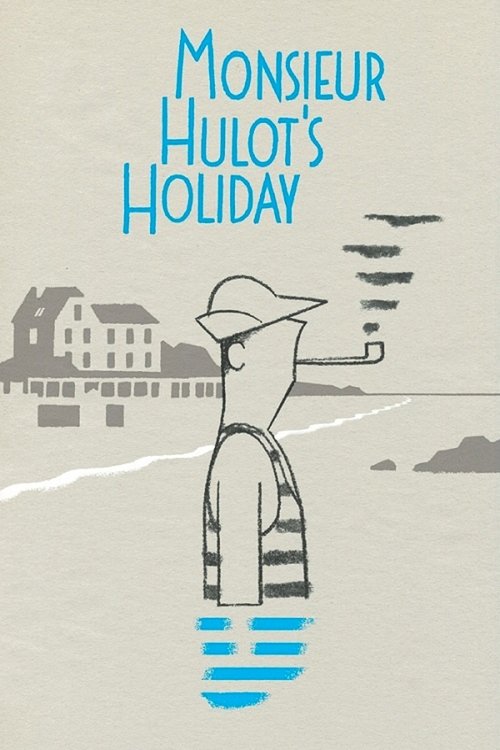
Jacques Tati’s masterpiece stands out as a visual critique of modern social institutions and the absurdity of standardized leisure. By using Monsieur Hulot to disrupt the mechanical order of a seaside resort, the film offers a proto-postmodern commentary on capitalist efficiency. However, the film reflects its 1953 context, lacking depth in representing diverse identities. It focuses on a traditional male-centric comedy and does not provide meaningful women's ability to drive the story or diverse racial backgrounds. Ultimately, the film’s strength lies in its observational social critique rather than its demographic composition.
Category Breakdown
The film adheres to a traditional mid-century framework and does not depict any non-binary gender identities or same-sex relationships.
Women are mainly shown as part of the background social fabric or as passive participants. The humor is driven by a male protagonist, reinforcing a traditional male-centric perspective.
The setting reflects the demographic reality of post-war French leisure culture. The cast is predominantly white, with no significant characters of color.
Tati provides a nuanced critique of modern consumerism and the machine age. He portrays the rigid structures of organized tourism as inherently absurd.
There is no intentional representation of neurodivergence or physical disabilities. Hulot’s bumbling nature is treated as a comedic clown archetype rather than a character-driven exploration.
Present on Screen
Limited or Absent
Official Synopsis
Monsieur Hulot, Jacques Tati’s endearing clown, takes a holiday at a seaside resort, where his presence provokes one catastrophe after another. Tati’s masterpiece of gentle slapstick is a series of effortlessly well-choreographed sight gags involving dogs, boats, and firecrackers; it was the first entry in the Hulot series and the film that launched its maker to international stardom.
1958
1932
1949

1960
1971
1946
1991
1967
No reviews yet. Be the first to share your thoughts on this movie!
Use the rating form above to leave a star rating and optional review.