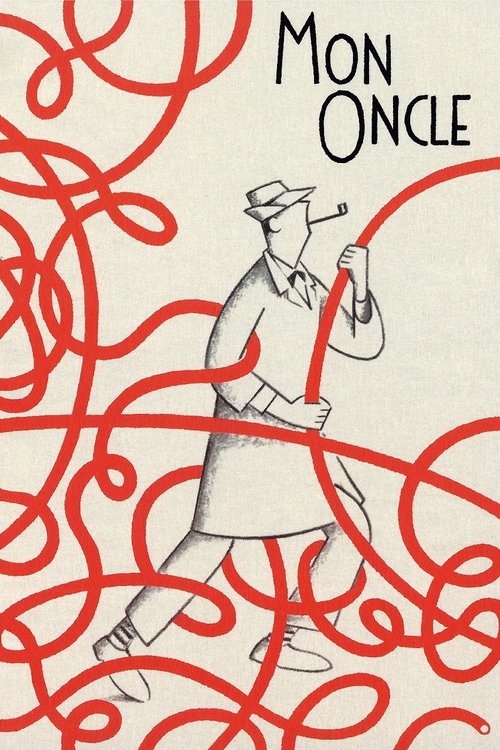
Mon Oncle
1958
No user ratings available yet
Representation score: 3.8 out of 10
Representation Score
Good
1967
Not RatedDirector
Jacques Tati
Runtime
115 minutes
Average Rating
No ratings yetNew Showbiz Analysis
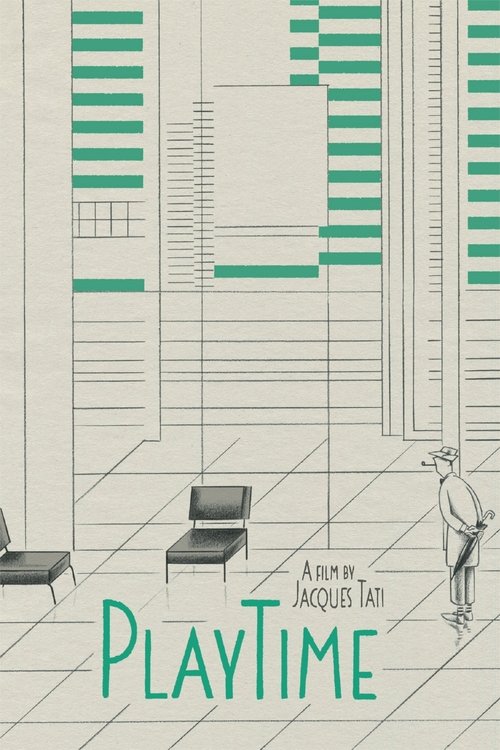
PlayTime is a masterclass in visual storytelling that prioritizes systemic critique over demographic representation. It succeeds by deconstructing the dehumanizing effects of modern Western capitalism and rigid social institutions. While the film lacks intentional diversity in terms of race, gender, and LGBTQ+ identity, it finds strength in its anti-authoritarian framework. It uses the absurdity of modern life to challenge the dominance of Western technological progress. Ultimately, the film's value lies in its narrative architecture, which celebrates the chaotic human spirit against the sterile, regulated machinery of mid-century Western society.
Category Breakdown
The film focuses on spatial comedy rather than identity politics. It lacks explicit depictions of LGBTQ+ identity or same-sex intimacy, though it critiques the rigid social performances of straight-centered society.
Women appear within corporate landscapes but often function as part of the broader human machinery. The film disrupts traditional masculinity by portraying the modern, orderly man as inept and disconnected.
The setting reflects a homogeneous, affluent, and corporate version of Paris. The lack of visible diversity or intentional race-bent casting results in a demographic that leans toward Western homogeneity.
Tati excels at deconstructing Western institutional structures and sterile consumerism. The film challenges the perceived superiority of technological progress by prioritizing human spontaneity over capitalist efficiency.
Physical clumsiness and sensory disorientation drive the comedy. While Monsieur Hulot’s eccentricity highlights the friction between individuals and their environment, there is an absence of characters with explicit, ability to act-driven disabilities.
Present on Screen
Limited or Absent
Official Synopsis
Clumsy Monsieur Hulot finds himself perplexed by the intimidating complexity of a gadget-filled Paris. He attempts to meet with a business contact but soon becomes lost. His roundabout journey parallels that of an American tourist, and as they weave through the inventive urban environment, they intermittently meet, developing an interest in one another. They eventually get together at a chaotic restaurant, along with several other quirky characters.
1958
1971
1953
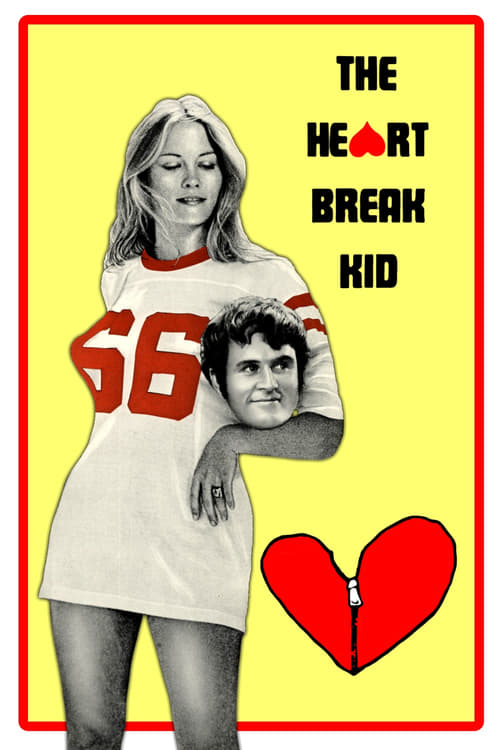
1972
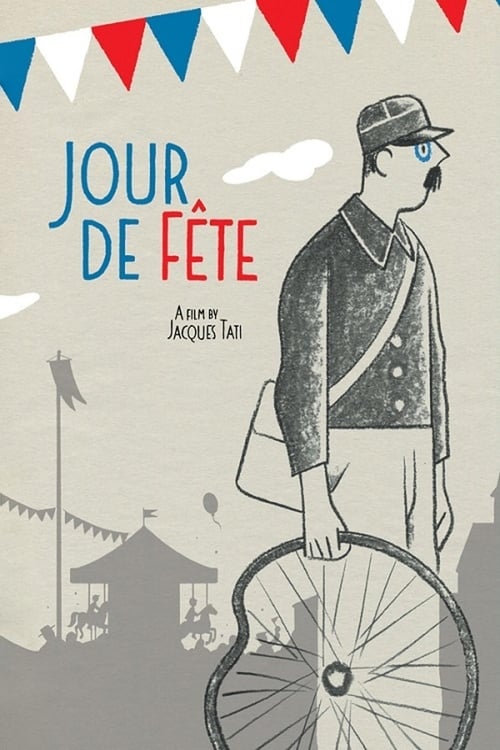
1949

1971
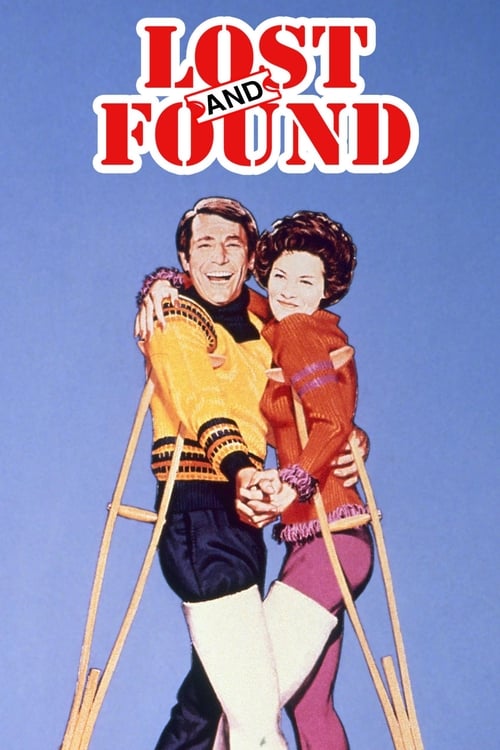
1979
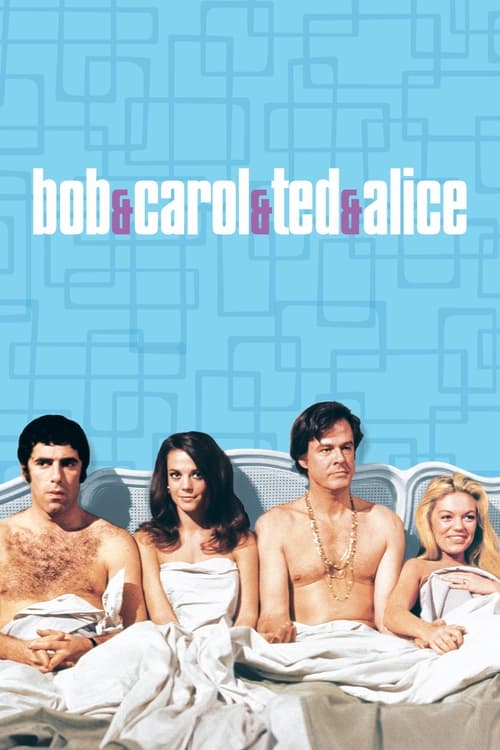
1969
No reviews yet. Be the first to share your thoughts on this movie!
Use the rating form above to leave a star rating and optional review.