On the Buses
1971
No user ratings available yet
Representation score: 2.6 out of 10
Representation Score
Limited
1972
PGDirector
Harry Booth
Runtime
89 minutes
Average Rating
No ratings yetNew Showbiz Analysis
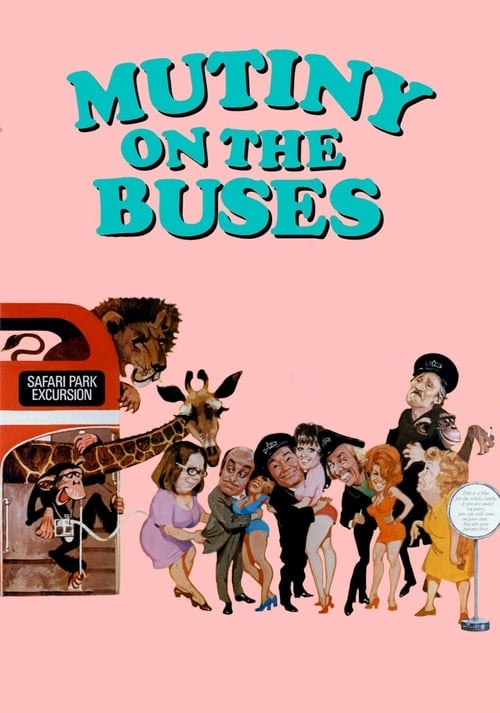
Mutiny on the Buses is a period-specific social comedy that prioritizes class-based humor over diverse representation. The film's structure reinforces traditional social hierarchies and demographic homogeneity common in early 1970s British cinema. While the story provides a moderate critique of institutional authority through its focus on labor disputes, it fails to include diverse identities. The narrative remains rooted in a localized, working-class framework that lacks complexity in gender, race, or sexual orientation. Ultimately, the film serves as a snapshot of its era, focusing on the friction between workers and management rather than expanding its social scope.
Category Breakdown
The film does not include any LGBTQ+ characters or non-cisgender identities. It portrays a society where everyone is assumed to be straight and cisgender, without challenging traditional sexual orientations.
The story focuses on male camaraderie and male-driven plot points. Women are present but mainly serve in domestic or reactive roles, lacking central roles in driving the story.
The cast is predominantly white and reflects a localized, Anglo-centric demographic. There is no significant racial diversity or non-white casting within this 1972 setting.
The film provides a nuanced depiction of class struggle through labor strikes. It offers a comedic critique of capitalist management structures and depicts a dysfunctional family unit.
There is no meaningful representation of physical or neurodivergent disabilities. Characters with disabilities are not used as central agents within the narrative arc.
Present on Screen
Limited or Absent
Official Synopsis
Bus driver Stan Butler agrees to marry Suzy, much to the anguish of Mum, her son-in-law, Arthur, and daughter Olive. How, they wonder, will they ever manage without Stan's money coming in? Then Arthur is sacked, and Stan agrees to delay the wedding. Meanwhile, he hits on an idea: Arthur should learn to drive a bus. Somehow he does just that, and even gets a job. Stan then blackmails the Depot Manager into giving him the job of driver on the new money-making Special Tours Bus. A great idea ...if only the inspector hadn't taken Stan on his trial run to the Windsor Safari Park
1971
1977
1973
1969
1976
1958
1963
1969
No reviews yet. Be the first to share your thoughts on this movie!
Use the rating form above to leave a star rating and optional review.