Brats
1930
No user ratings available yet
Representation score: 1.4 out of 10
Representation Score
Fair
1931
Director
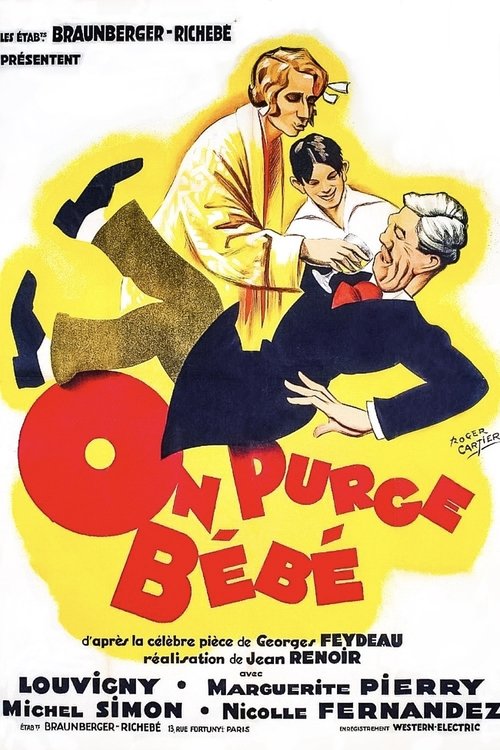
Jean Renoir
Runtime
56 minutes
Average Rating
No ratings yetNew Showbiz Analysis
Jean Renoir’s comedy disrupts social order with a naturalist perspective. It replaces the stability of the bourgeois household with the chaotic, undignified realities of human biology. The film successfully challenges traditional hierarchies. By prioritizing domestic chaos over military decorum, it questions the sanctity of institutional authority and the idealized family unit. However, the work lacks modern markers of diversity. The narrative remains centered on a traditional family structure, offering limited representation of race or sexual orientation.
Category Breakdown
The film centers on a traditional nuclear family unit. There are no queer themes or non-straight identities presented in the narrative.
The wife plays a central role in managing the domestic crisis. She shifts the focus away from a patriarchal environment, taking control of the situation.
The setting and time period suggest a homogeneous demographic. The film does not include diverse character arcs, reflecting a traditional Eurocentric presentation.
The narrative critiques bourgeois dignity by focusing on bodily functions. It challenges Western institutions like the military through the lens of domestic absurdity.
A physiological struggle with constipation drives the plot. However, there is no representation of characters with neurodivergence or long-term disabilities.
Present on Screen
Limited or Absent
Official Synopsis
A chamber pot manufacturer tries to impress a military official while his wife desperately tries to force their constipated young son to take a laxative, leading to chaos.
1930
1932

1919
1953
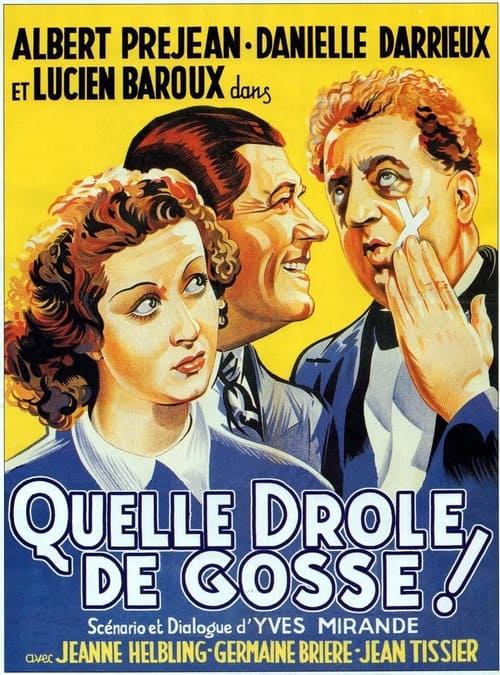
1935
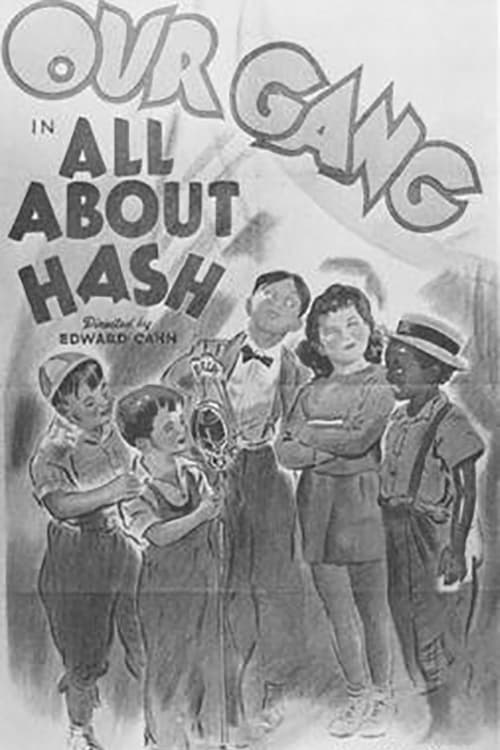
1940
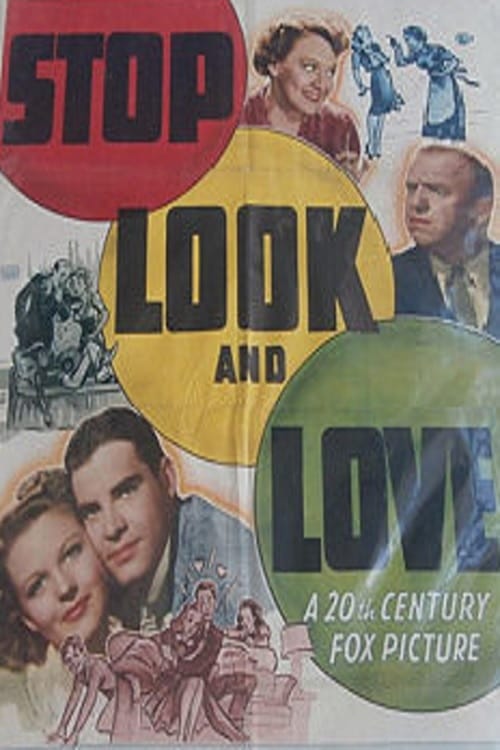
1939
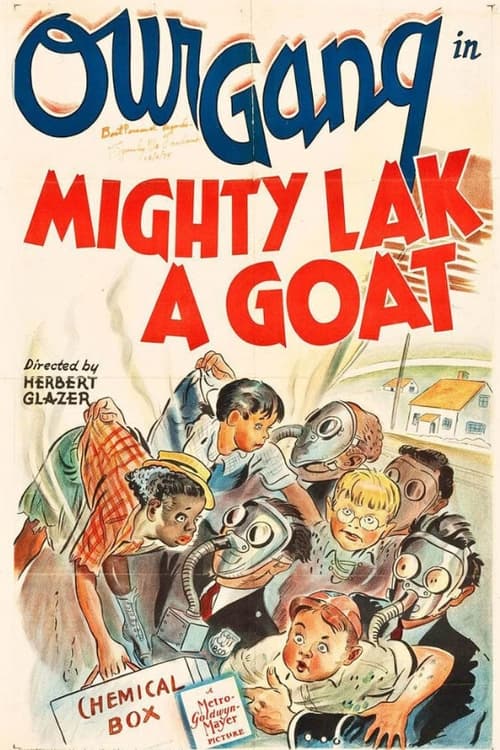
1942
No reviews yet. Be the first to share your thoughts on this movie!
Use the rating form above to leave a star rating and optional review.