
Fantozzi to the Rescue
1990
No user ratings available yet
Representation score: 4.9 out of 10
Representation Score
Limited
1988
Director
Neri Parenti
Runtime
95 minutes
Average Rating
No ratings yetNew Showbiz Analysis
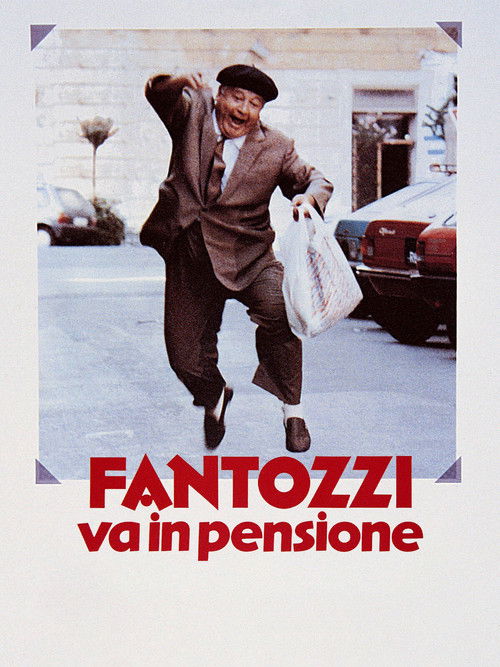
Fantozzi Retires is a social satire that emphasizes class critique over identity representation. It effectively highlights the absurdities of institutional authority and the dehumanizing nature of corporate capitalism. However, the film lacks diversity in its casting and settings. It stays within traditional gender roles and a homogeneous Italian context, offering little representation for LGBTQ+ identities or diverse racial backgrounds. Ultimately, the film's progressive value lies in its critique of systemic issues rather than its commitment to diverse representation.
Category Breakdown
The film adheres to traditional assumptions about straight relationships and gender matching. It centers on the protagonist's family life and his romance with Miss Silvani.
Women in the film are primarily shown in domestic settings. The movie critiques male-dominated workplaces but does so through class issues rather than challenging gender power dynamics.
The story focuses on an Italian community without much racial variety. The cast mainly highlights class differences within Italy.
The film skillfully exposes the dehumanizing impact of corporate bureaucracy. It portrays the workplace as a machine that strips individuals of their dignity.
Disability is represented through physical comedy and mishaps used for humor. These misfortunes serve as tools for slapstick rather than showing nuanced portrayals of disabilities.
Present on Screen
Limited or Absent
Official Synopsis
After thirty years in the big corporation, Ugo Fantozzi retires. Suddenly, he needs things to do in everyday life and he tries a number of activities: helping Pina shopping; babysitting grand-daughter Uga; a trip to Venice; learning golf. He then fakes documents to get a new job, but in the end he becomes a hypochondriac and doesn't even take a long-awaited chance with Miss Silvani.
1990
1983
1996

1980

2011

1993

2014

1991
No reviews yet. Be the first to share your thoughts on this movie!
Use the rating form above to leave a star rating and optional review.