Jour de fête
1949
No user ratings available yet
Representation score: 2.3 out of 10
Representation Score
Limited
1946
Director
Jacques Tati
Runtime
16 minutes
Average Rating
No ratings yetNew Showbiz Analysis
Jacques Tati's comedy centers on the mechanics of social interaction and the disruption of routine through physical movement. The film studies professional identity and the impact of globalized productivity standards. While it provides a rhythmic observation of human behavior and social dynamics through visual comedy, it remains grounded in the social and demographic norms of its era. It does not offer the layered complexity or intentional disruption of systemic hierarchies found in more inclusive works.
Category Breakdown
The film does not include any LGBTQ+ characters or stories, sticking to a traditional mid-century setting focused on workplace humor.
The story revolves around male postal workers competing professionally. Women are present but do not challenge traditional gender roles.
Set in a rural French town, the film reflects the homogeneous demographics typical of mid-century European cinema. There is no indication of diverse ethnic backgrounds.
The film examines the clash between French traditions and American industrial efficiency. It touches on modernization but does not explicitly critique institutions or capitalism.
Physical comedy and slapstick humor involve characters experiencing clumsy mishaps. These incidents serve traditional farce rather than offering nuanced portrayals of disability or neurodivergence.
Present on Screen
Limited or Absent
Official Synopsis
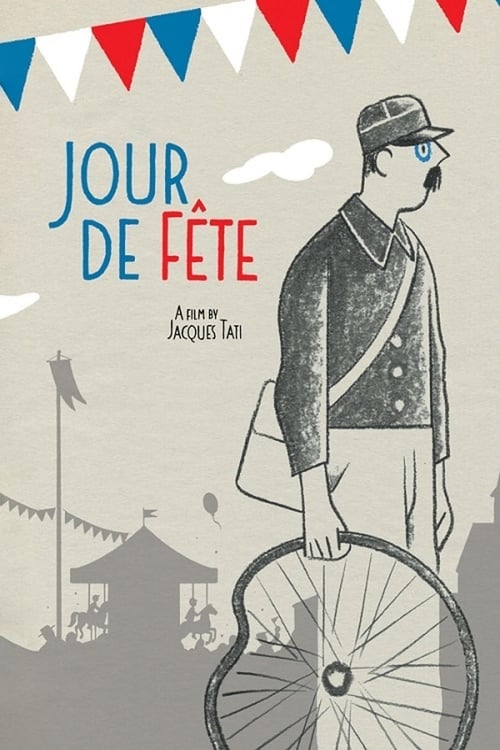
Jacques Tati plays a French postman adamant to prove he can be just as fast as American postmen at delivering mail.
1949
1953
1967

1960
1958
1971
1952

1963
No reviews yet. Be the first to share your thoughts on this movie!
Use the rating form above to leave a star rating and optional review.