
Music in Darkness
1948
No user ratings available yet
Representation score: 7.3 out of 10
Representation Score
Good
1951
NRDirector
Mark Robson
Runtime
97 minutes
Average Rating
No ratings yetNew Showbiz Analysis
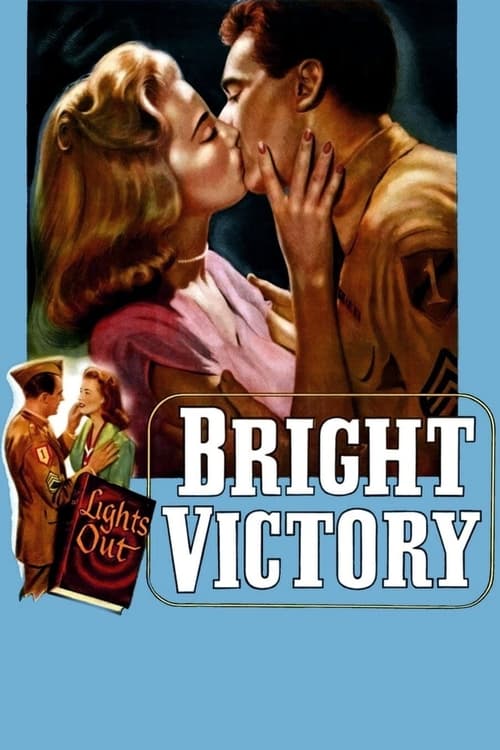
Bright Victory stands out for its time in 1951 by presenting a nuanced exploration of identity despite strict censorship. It excels in centering a romantic bond between two men and treating disability with dignity rather than as a mere plot device. However, the film reflects the limited racial diversity typical of its era, lacking significant ethnic variety. Despite this, it effectively critiques gender and sexual norms while maintaining the demographic homogeneity of post-WWII Hollywood. Overall, the film's narrative structure allows it to challenge systemic pressures to conform, making it a notable work for its era's treatment of identity politics.
Category Breakdown
The film focuses on a romantic relationship between two men, Joe and Larry. It portrays their connection as a deep emotional bond rather than a moral issue, challenging the assumption that everyone is straight or cisgender.
The story overturns traditional gender roles by emphasizing male vulnerability and emotional connections over the typical husband-wife dynamic of the mid-1950s.
The production reflects the demographic homogeneity of post-WWII Hollywood. The cast and central narrative lack significant racial or ethnic diversity.
The story highlights a conflict between personal truth and oppressive social structures. It emphasizes individual authenticity over the strict legal and social norms of the time.
The protagonist's blindness is shown who play a significant role in driving the story, exploring how physical limitations intersect with societal struggles for identity.
Present on Screen
Limited or Absent
Official Synopsis
A soldier blinded in war returns home and attempts to adjust to civilian life.
1948

1955

1946

1959
1949
1946
1951
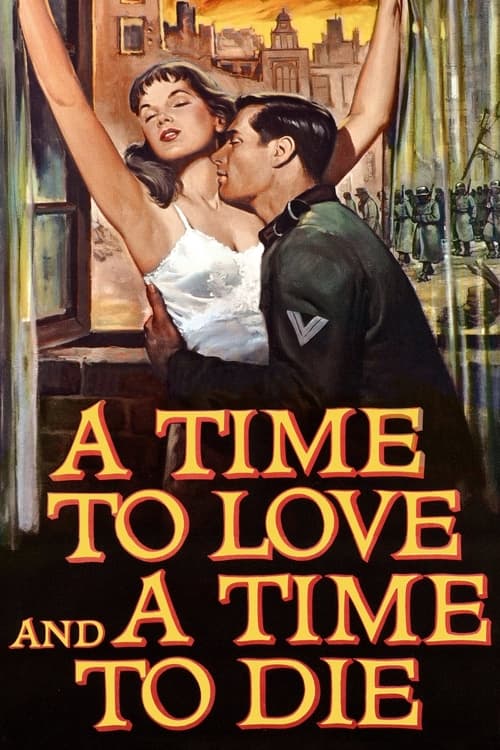
1958
No reviews yet. Be the first to share your thoughts on this movie!
Use the rating form above to leave a star rating and optional review.