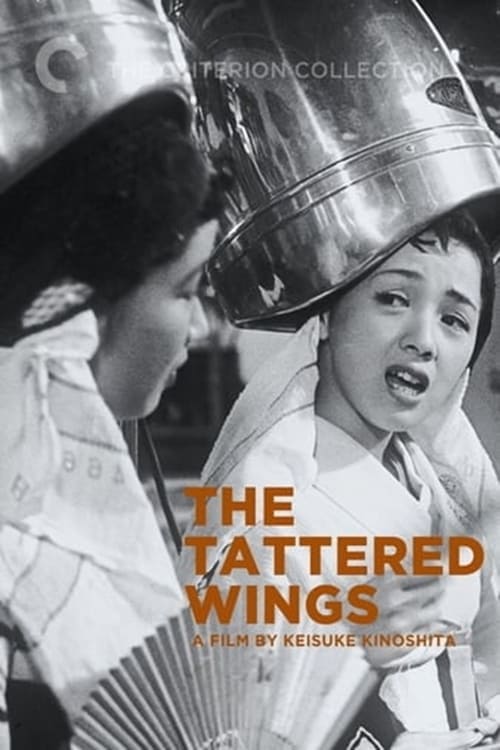
The Tattered Wings
1955
No user ratings available yet
Representation score: 5.6 out of 10
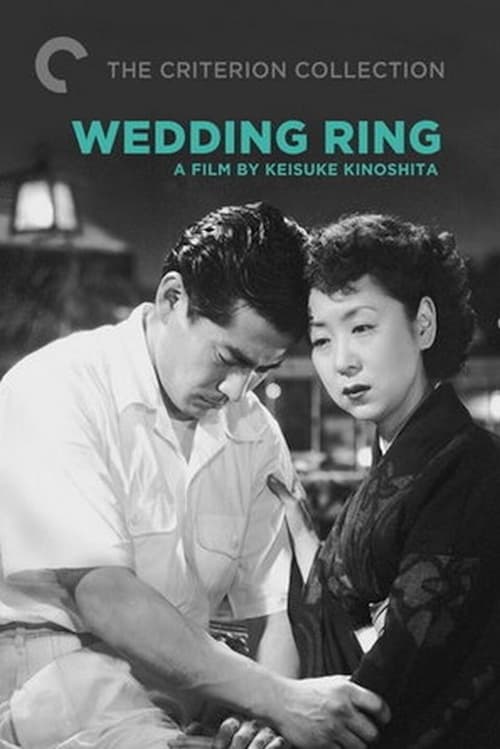
Representation Score
Fair
1950
Director
Keisuke Kinoshita
Runtime
96 minutes
Average Rating
No ratings yetNew Showbiz Analysis
The film offers a progressive look at gender for its era by centering on a woman in a position of professional leadership. This role provides a refreshing departure from the domestic archetypes common in 1950s cinema. However, the narrative remains largely bound by the period's social and romantic norms. The focus on a standard romantic entanglement and the lack of diverse identity representation keep the scope relatively narrow. While the film captures a specific cultural moment in post-war Japan, it does not push beyond the structural constraints of its time regarding varied representation or systemic critique.
Category Breakdown
The film follows a traditional romantic storyline between a jewelry store president and a doctor. There are no queer narratives or representations of non-cisgender identities.
The protagonist challenges traditional gender roles by serving as a jewelry store president with economic authority. This role provides a nuanced exploration of women's autonomy and professional influence.
As a 1950 Japanese production, the film reflects its specific cultural setting. It lacks the multicultural blending or varied representation found in more contemporary global cinema.
The story operates within the social frameworks of post-war Japan. It focuses on modernizing social structures like professional life rather than deconstructing traditional religious or family institutions.
A husband's illness serves as a central plot point. However, it is unclear if this provides a meaningful exploration of disability or simply facilitates the romantic drama.
Present on Screen
Limited or Absent
Official Synopsis
A jewelry store president begins to fall for the doctor treating her husband's illness.
1955

1955

1956
1951
1955
1952
1956
1946
No reviews yet. Be the first to share your thoughts on this movie!
Use the rating form above to leave a star rating and optional review.