Never Say Goodbye
1956
No user ratings available yet
Representation score: 0.4 out of 10
Representation Score
Limited
1946
NRDirector
Irving Pichel
Runtime
105 minutes
Average Rating
No ratings yetNew Showbiz Analysis
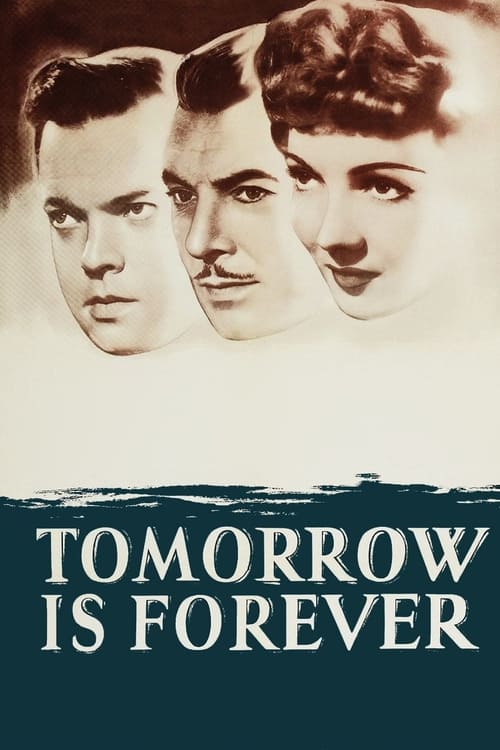
Tomorrow Is Forever is a classic mid-century melodrama that upholds traditional romantic ideals and family structures. The film adheres to the social norms and heterosexual assumptions prevalent in the 1946 studio system. While Elizabeth MacDonald’s character offers emotional strength, the narrative remains tied to traditional gender roles. The portrayal of disability serves primarily as a dramatic tool to enhance the emotional weight of the story. Overall, the film lacks complexity in its representation of diverse identities and social issues.
Category Breakdown
The film centers on traditional romantic relationships and the nuclear family, with no depiction of same-sex relationships or non-binary gender identities.
Elizabeth MacDonald plays a significant role in the story, driven by her relationships with men. Her emotional journey is central to the narrative.
The cast is predominantly white and Western, typical of productions from the 1940s. There is no indication of diverse casting.
The story emphasizes traditional Western values such as patriotism and the sanctity of marriage, focusing on domestic stability and wartime service.
Kessler’s disfigurement is a key plot element, emphasizing physical trauma and emotional impact rather than a nuanced exploration of disability.
Present on Screen
Limited or Absent
Official Synopsis
In 1918, Elizabeth MacDonald learns that her husband, John Andrew, has been killed in the war. Elizabeth bears John's son and eventually marries her kindly boss. Unknown to her, John has survived but is horribly disfigured and remains in Europe. Years later, on the eve of World War II, Elizabeth refuses to agree to her son's request to enlist and is stunned when an eerily familiar stranger named Kessler arrives from abroad and becomes involved.
1956

1955
1946
1940
1958
1948
1956
1958
No reviews yet. Be the first to share your thoughts on this movie!
Use the rating form above to leave a star rating and optional review.