
The Girl from Flanders
1956
No user ratings available yet
Representation score: 2.2 out of 10
Representation Score
Limited
1938
ApprovedDirector
Frank Borzage
Runtime
98 minutes
Average Rating
No ratings yetNew Showbiz Analysis
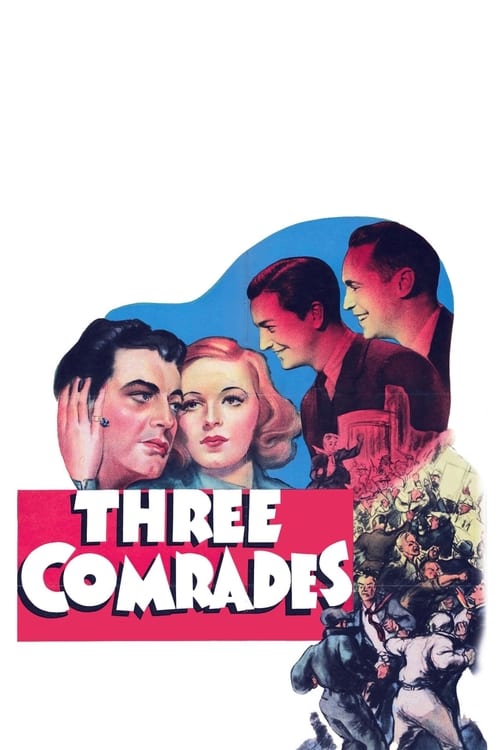
Three Comrades is a period-specific romantic tragedy that emphasizes emotional melodrama over modern diverse representation. It lacks any LGBTQ+ or significant racial diversity, staying within the social confines of its era and setting. However, the film offers a nuanced critique of socioeconomic issues. By focusing on the collapse of the Weimar Republic and the struggles of veterans, it provides a meaningful look at failing systemic institutions and capitalist structures. Ultimately, while the film relies on traditional clichés regarding gender and disability, its portrayal of economic decay and moral exhaustion offers a nuanced view of post-war reality.
Category Breakdown
The film follows strict 1930s romantic traditions. It centers on a relationship between heterosexual characters without showing any non-binary or LGBTQ+ identities.
Pat acts as an emotional catalyst for the male leads. She demonstrates strength against illness but her role is tied to the male romantic interests.
The cast is ethnically uniform, reflecting the German setting. It portrays a predominantly white social environment without intentional diversity.
The narrative critiques the instability of the Weimar Republic. It highlights hyperinflation and the disillusionment of veterans, challenging the idea of stable institutions.
Tuberculosis drives the plot through a lens of tragic romance. The depiction leans towards the classic 'tragic sufferer' cliché, focusing on the suffering rather than broader empowerment.
Present on Screen
Limited or Absent
Official Synopsis
A love story centered on the lives of three young German soldiers in the years following World War I. Their close friendship is strengthened by their shared love for the same woman who is dying of tuberculosis.
1956
1927

1944
1962
1926

1957

1944

1932
No reviews yet. Be the first to share your thoughts on this movie!
Use the rating form above to leave a star rating and optional review.