
Whirlpool
1935
No user ratings available yet
Representation score: 3.4 out of 10
Representation Score
Limited
1946
ApprovedDirector
Maurice Elvey
Runtime
102 minutes
Average Rating
No ratings yetNew Showbiz Analysis
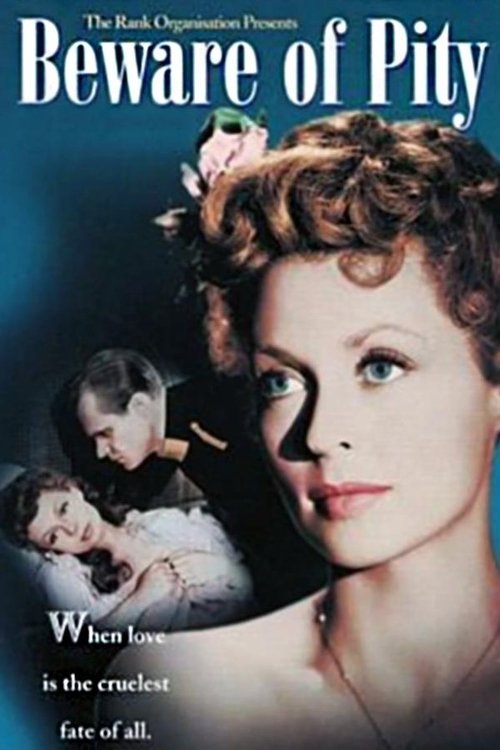
Beware of Pity is a period-specific drama that adheres strictly to the cinematic conventions of the mid-20th century. It lacks the intentionality required to disrupt established social or cultural norms, instead leaning into traditional narrative structures. The film's focus on class and aristocracy reinforces existing social hierarchies. While it provides a central character with a physical disability, this element appears to be used more as a catalyst for tragedy and pity than for nuanced representation. Ultimately, the work lacks complexity in how it portrays identity and social interactions, which was standard for British cinema in 1946.
Category Breakdown
The film follows a traditional romantic drama structure focused on a heterosexual misunderstanding. There is no evidence of non-straight identities or narratives that question the assumption that everyone is straight.
While the Baroness has high social standing, her role is limited by her emotional vulnerability. The plot relies on traditional clichés where female emotionality drives the central tragedy.
The production reflects the homogeneous casting standards of 1946 Britain. There is no indication of a diverse cast or casting that breaks the Anglo-Saxon norm.
The narrative is rooted in established Western social hierarchies and aristocracy. It lacks anti-capitalist sentiment or a prioritization of secularism over traditional social structures.
The protagonist's paraplegia serves as a central plot element. However, the disability risks functioning primarily as a device for emotional pathos rather than a portrayal of true ability to act.
Present on Screen
Limited or Absent
Official Synopsis
A paraplegic baroness mistakes a man's pity for love - and tragedy ensues.
1935

1952

1955
1927

1950
1945

1944

1945
No reviews yet. Be the first to share your thoughts on this movie!
Use the rating form above to leave a star rating and optional review.