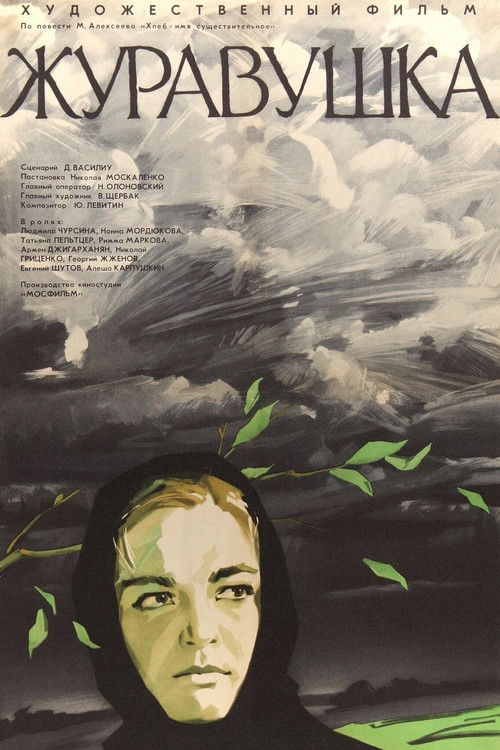
A Little Crane
1969
No user ratings available yet
Representation score: 4.0 out of 10
Representation Score
Limited
1958
Director
Vladimir Vengerov
Runtime
92 minutes
Average Rating
No ratings yetNew Showbiz Analysis
This film reflects its historical context, emphasizing national reconstruction and traditional romantic ideals. It follows a conventional storyline where the male protagonist leads the narrative through personal and societal integration. While the film addresses the challenges of post-war life, it lacks complexity in representing diverse identities. Characters generally support established social hierarchies and traditional domestic ideals without challenging them.
Category Breakdown
The film does not include any representations of LGBTQ+ identities or same-sex relationships. The story focuses on traditional romantic relationships and family structures.
Nikolai is the main character driving the plot, while female characters play important roles as emotional supporters. The narrative upholds traditional gender roles typical of the mid-century era.
The cast is composed of actors with similar ethnic backgrounds, reflecting the homogeneity of Soviet productions from 1958. There is no indication of ethnic diversity or casting actors with different backgrounds.
The narrative highlights national resilience and the rebuilding of social institutions. It emphasizes collective effort and loyalty to the homeland, focusing on community rather than individual perspectives.
The protagonist's status as a wounded veteran introduces the theme of physical trauma. However, his injury is used as a symbol of sacrifice rather than a detailed exploration of the experience.
Present on Screen
Limited or Absent
Official Synopsis
Former front-line intelligence officer, captain Nikolai Mityasov, after being wounded, returns to the destroyed city and learns the sad news: his wife Shura cheated on him. Bitterness and confusion gave way to hope. But peace has come, demobilization has begun, it is necessary to restore the homeland. Nikolai finds the strength to continue living, enters a construction institute, meets Valya and begins a new happy life without war...
1969

1959
1979
1948
1960
1983

1958

1965
No reviews yet. Be the first to share your thoughts on this movie!
Use the rating form above to leave a star rating and optional review.