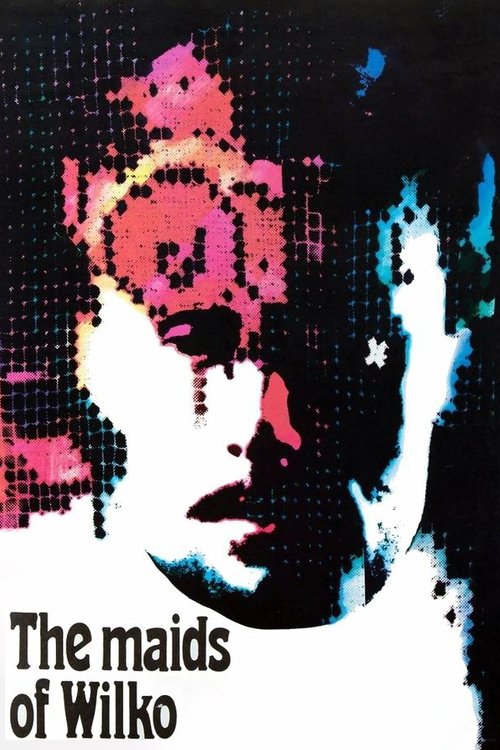
The Maids of Wilko
1979
No user ratings available yet
Diversity score: 6.8 out of 10

1972
Director
Jacques Brel
Runtime
91 minutes
Average Rating
No ratings yetSynopsis
In a French seaside town, at a boarding house for civil servants recovering from surgery and maladies, the six male residents' lives change dramatically when two women arrive: Catherine, lively, sexually liberated, willing to kiss, dance, and sleep with the men, and Leonie, reserved, formal, conservative. Leonie finds herself attracted to Leon, a Belgian who was a mercenary in Katanga in 1964, wounded and carrying psychological scars as well. The other men continually play practical jokes on Leon, some of them cruel. As Leon courts Leonie, his horrid mother brings him emotional distress as do his memories of war. Can the two of them get past these obstacles?
Overall Score
Fair
Category Breakdown
LGBTQ+ Representation
The narrative focuses on heteronormative romantic dynamics between Leon and Leonie. There is no explicit evidence of queer subtext or non-cisnormative identities present in the story.
Gender Representation
Catherine provides a strong disruption of traditional gender hierarchies through her sexual liberation and agency. The film contrasts her autonomy against Leonie’s conservative formality to explore social performance.
Racial & Ethnic Diversity
The story touches on post-colonial themes via the Katanga conflict, though the cast remains primarily European. The focus stays on the psychological impact of war on the protagonists.
Religious & Cultural Diversity
The film deconstructs the idealized Western family by portraying a distressing maternal figure. It prioritizes individual existential struggles over stable, traditional social institutions.
Disability Representation
The setting centers on physical and psychological vulnerability as residents recover from various maladies. Leon’s psychological scars move the depiction of disability toward a nuanced exploration of trauma.
Strengths
Areas for Improvement
AI Analysis
Jacques Brel’s direction offers a character-driven study that avoids many mid-century tropes. The film excels at exploring the fractures in traditional social and familial structures through psychological realism. While the work provides a sophisticated look at female agency and the complexities of mental health, it lacks significant LGBTQ+ or multi-ethnic representation. The narrative remains largely centered on European perspectives and heteronormative romance.
1979

2016

2009

1971
1981

1984
1974

1976

1963
1965

1985
1958
No reviews yet. Be the first to share your thoughts on this movie!
Use the rating form above to leave a star rating and optional review.