Never Say Goodbye
1956
No user ratings available yet
Representation score: 0.4 out of 10
Representation Score
Limited
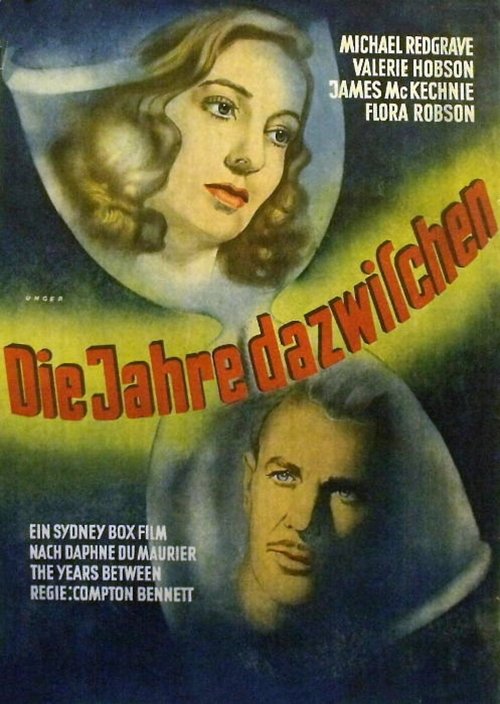
1946
Director
Compton Bennett
Runtime
88 minutes
Average Rating
No ratings yetNew Showbiz Analysis
The film is a character-driven drama that highlights the professional achievements of Diana Wentworth. Her journey from a grieving widow to a Member of Parliament showcases female autonomy for the time period. However, the film remains firmly rooted in the demographic norms of mid-century British cinema. It lacks visible racial diversity and sticks to traditional heterosexual romantic structures, limiting its broader social impact. While it challenges certain passive stereotypes, it does not explore diverse identities or non-traditional lifestyles.
Category Breakdown
The film centers on a traditional heterosexual relationship between a widow and her new husband. It does not include any non-straight or non-cisgender identities.
Diana Wentworth is portrayed as a strong, independent woman who becomes a Member of Parliament. She moves beyond the passive widow stereotype to achieve professional success.
The film likely reflects the homogeneous society of 1940s Britain. There is no indication of non-white or non-Anglo-Saxon characters.
The story explores personal resilience after the war but stays within the traditional framework of Western romanticism. It does not challenge Western social institutions.
The narrative does not mention any characters dealing with physical, neurodivergent, or mental health conditions.
Present on Screen
Limited or Absent
Official Synopsis
After hearing news that her officer husband has been killed in battle, Diana Wentworth forges a new life for herself, becoming an MP and learning to love again. Then, out of the blue comes the shattering news that her husband is not dead after all.
1956
1948
1946
1955
1958
1952
1945
1940
No reviews yet. Be the first to share your thoughts on this movie!
Use the rating form above to leave a star rating and optional review.