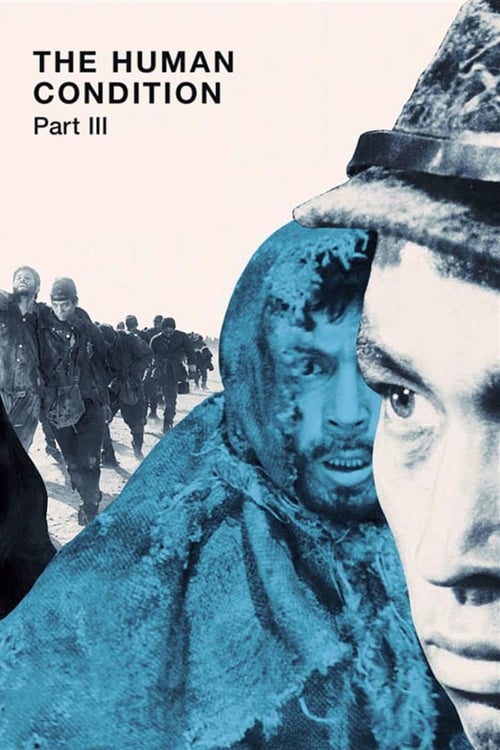
The Human Condition III: A Soldier's Prayer
1961
No user ratings available yet
Representation score: 6.1 out of 10
Representation Score
Limited
1960
Director
Keisuke Kinoshita
Runtime
117 minutes
Average Rating
No ratings yetNew Showbiz Analysis
The film functions as a humanist critique of historical volatility, prioritizing the domestic consequences of systemic instability over tactical warfare. It disrupts conventional war cinema by focusing on the peasantry as collective victims of institutionalized violence. While the plot is driven by men entering warfare, the structural focus on multi-generational female endurance provides a necessary subversion of purely male-centric narratives. The film successfully explores class-based identity and the socio-economic pressures of feudal Japan. However, the work remains limited by its historical context, offering no representation of LGBTQ+ identities or specific disability narratives. It remains a deeply localized, traditional exploration of lineage and survival.
Category Breakdown
The film does not include any LGBTQ+ characters or narratives. It focuses on traditional family structures and the cycle of lineage within a historical setting.
The story emphasizes the female experience through the lens of endurance and loss across five generations. It shifts focus from combat glory to the systemic emotional burdens placed on women.
Set in feudal Japan, the film offers a culturally specific, non-Western perspective. It centers on the struggles of the Japanese peasantry rather than the ruling class.
The narrative critiques traditional power structures by portraying feudal loyalty as a tragic path driven by poverty. It highlights the destructive nature of the warlord system on families.
There is no evidence regarding characters with visible or invisible disabilities. While war trauma is present, specific disability representation is not addressed.
Present on Screen
Limited or Absent
Official Synopsis
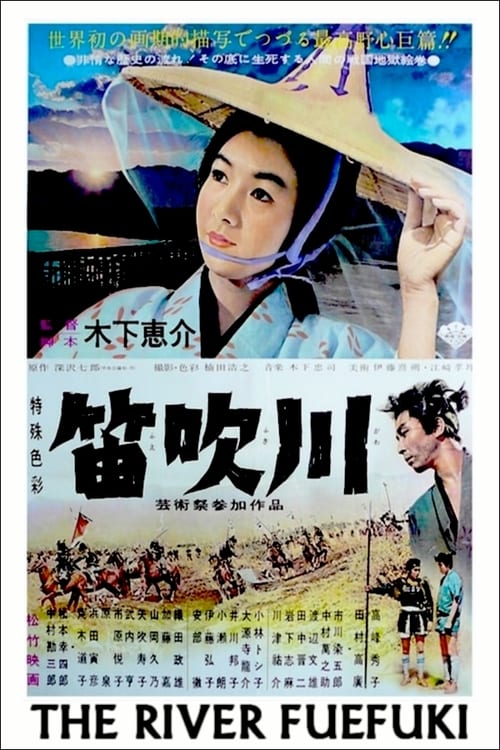
In a time of continuous civil wars ravaging the fields of feudal Japan, the eldest son of a very poor peasant family, living alongside the bridge over the Fuefuki river, decides to serve a warlord to escape his miserable condition, being soon followed by his younger brothers. Although not all the men of the family take this tragic path of death, women of the family will be doomed to endure the pain of loss during the next five generations.
1961
1959
1959
1946
1961
1963

2023

1965
No reviews yet. Be the first to share your thoughts on this movie!
Use the rating form above to leave a star rating and optional review.