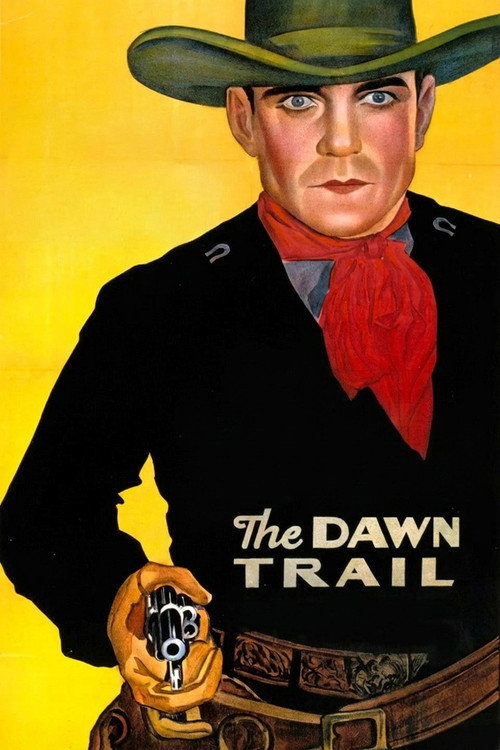
The Dawn Trail
1930
No user ratings available yet
Diversity score: 2.7 out of 10

1918
PassedDirector
Frank Lloyd
Runtime
60 minutes
Average Rating
No ratings yetSynopsis
Following in his dad's footsteps, Shefford devotes himself to freeing his community from the grip of a particularly despotic Mormon sect. In so doing, he rescues his foster sister Fay Larkin, who is coveted by lecherous Mormon elder Wagoner. As was the case in Riders of the Purple Sage, the Mormons are villains simply because they are Mormons.
Overall Score
Limited
Category Breakdown
LGBTQ+ Representation
The film lacks any evidence of non-cisnormative identities or same-sex intimacy. It follows a traditional heteronormative structure centered on a male protagonist and a female love interest.
Gender Representation
Gender roles follow rigid Western tropes. The male lead drives the plot through active liberation, while the female lead serves as a passive figure requiring rescue from a villain.
Racial & Ethnic Diversity
Representation is limited to the use of a religious sect as a monolithic antagonist. The film relies on the 'villainous outsider' trope rather than nuanced ethnic or racial depictions.
Religious & Cultural Diversity
The narrative critiques a specific religious institution by framing it as an oppressive force. This critique is rooted in traditional moralism rather than complex systemic analysis.
Disability Representation
There is no indication of characters with physical or neurodivergent disabilities within the narrative.
Strengths
Areas for Improvement
AI Analysis
The film is a product of early 20th-century Western cinema, adhering strictly to the era's established social hierarchies. It relies on clear-cut moral binaries and traditional archetypes of heroism and villainy. Character agency is divided along conventional lines. The male protagonist acts as the primary driver of change, while female and religious minority characters are relegated to passive or antagonistic roles. Ultimately, the work lacks intersectional depth. It prioritizes genre-standard tropes of masculine protection and religious antagonism over nuanced or diverse character development.
1930
1921
1924
1928
1937
1948
1933
1956
1934
1950
1941
1931
No reviews yet. Be the first to share your thoughts on this movie!
Use the rating form above to leave a star rating and optional review.