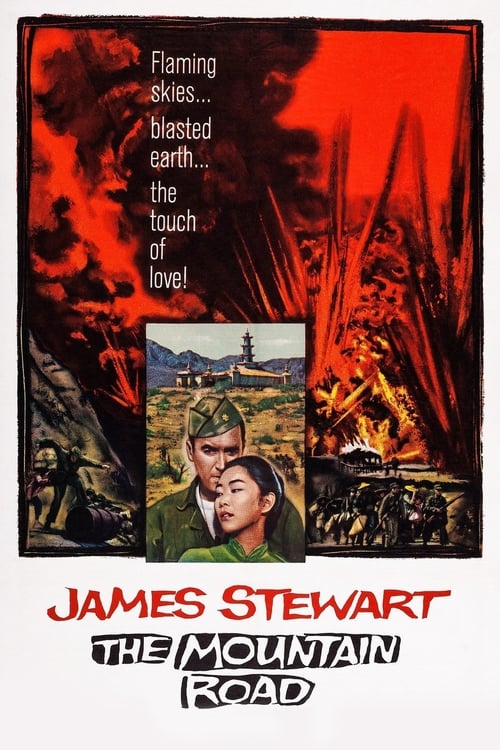
The Mountain Road
1960
No user ratings available yet
Diversity score: 3.0 out of 10

1961
Director
George Montgomery
Runtime
96 minutes
Average Rating
No ratings yetSynopsis
A Marine stationed in the Philippines loses a hand in an accident and is discharged from the Corps. When the Japanese invade the Philippines, he is called back into service to rescue a general held by Filipino guerrillas behind Japanese lines. Attaching a steel prosthetic in place of his missing hand, he and his men set out on the mission, which turns out to be not quite what he was told it was.
Overall Score
Limited
Category Breakdown
LGBTQ+ Representation
The film lacks any perceptible engagement with non-cisnormative identities. There is no evidence of LGBTQ+ characters or narratives that challenge heteronormativity.
Gender Representation
The narrative centers on a male protagonist and traditional masculine archetypes of combat capability. Women do not occupy roles of intellectual or strategic superiority.
Racial & Ethnic Diversity
The setting necessitates Filipino characters and guerrillas during the Japanese invasion. However, these roles likely function within established wartime tropes rather than providing complex agency.
Religious & Cultural Diversity
The story aligns with traditional Western wartime narratives emphasizing patriotism and military duty. It offers no critique of Western institutions or secularism.
Disability Representation
The protagonist's lost hand drives the plot, with a steel prosthetic facilitating his return to service. The portrayal leans toward the 'overcoming adversity' trope.
Strengths
Areas for Improvement
AI Analysis
The film is a conventional 1961 war drama that prioritizes traditional heroism over social subversion. While it features a central character with a physical disability, the narrative uses this trait primarily to reinforce masculine resilience within a military framework. Diversity is limited by the era's cinematic standards. While the Philippine setting introduces ethnic variety through local guerrillas, the film remains rooted in Western institutional values and standard wartime archetypes. Ultimately, the work functions as a character study of resilience rather than a tool for deconstructing social hierarchies or promoting intersectional values.
1960
1959
1982

1963
1962

1961
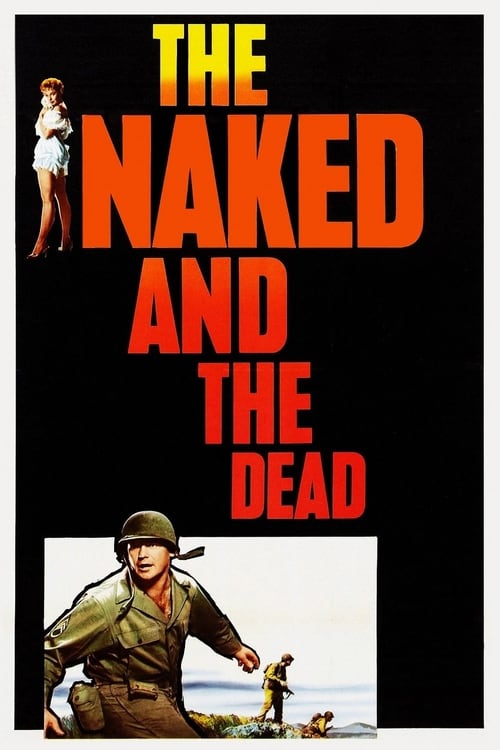
1958

1961
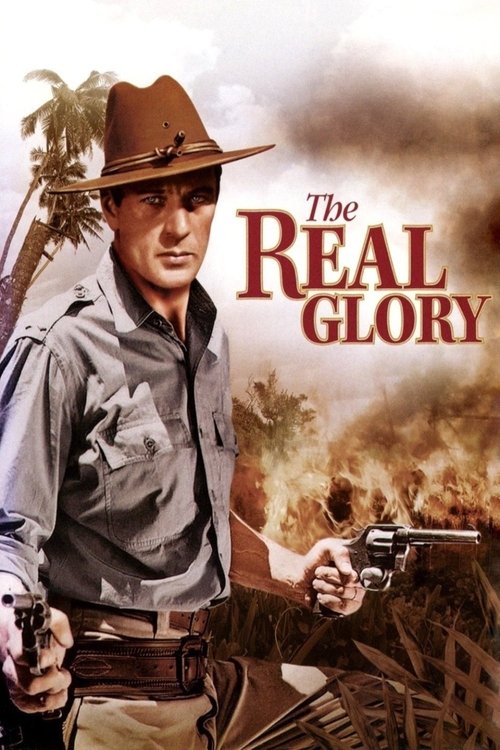
1939
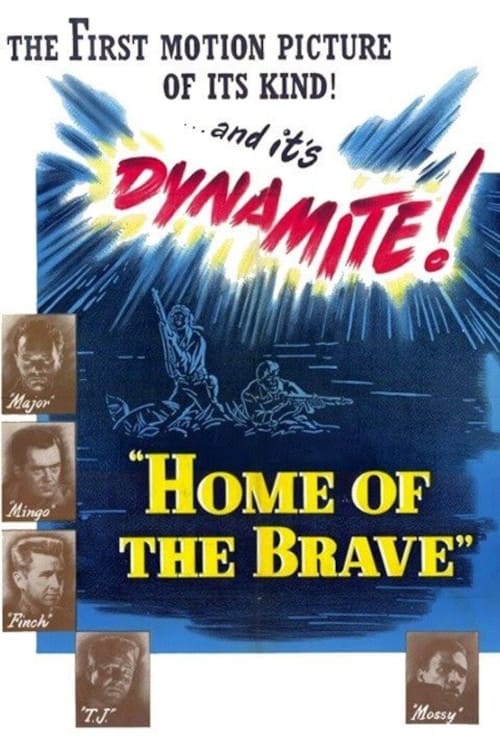
1949
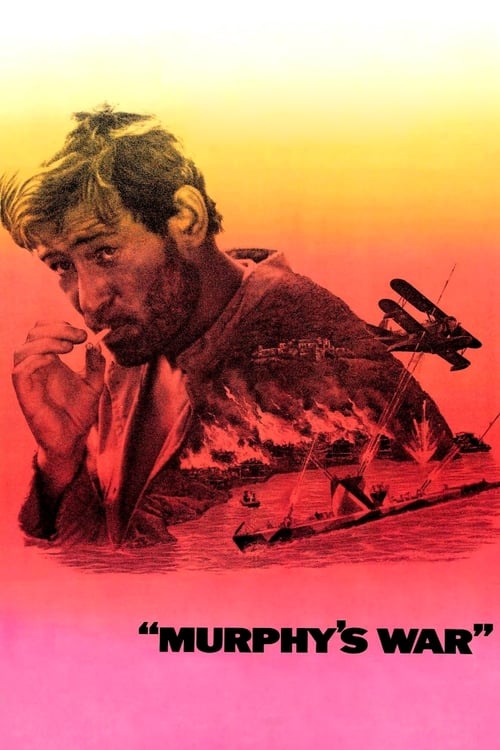
1971
2012
No reviews yet. Be the first to share your thoughts on this movie!
Use the rating form above to leave a star rating and optional review.