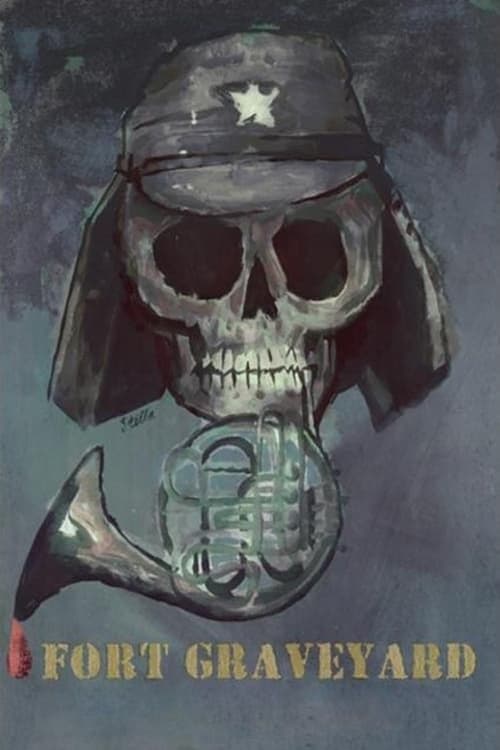
Fort Graveyard
1965
No user ratings available yet
Representation score: 3.9 out of 10
Representation Score
Limited
1962
16Director
Senkichi Taniguchi
Runtime
95 minutes
Average Rating
No ratings yetNew Showbiz Analysis
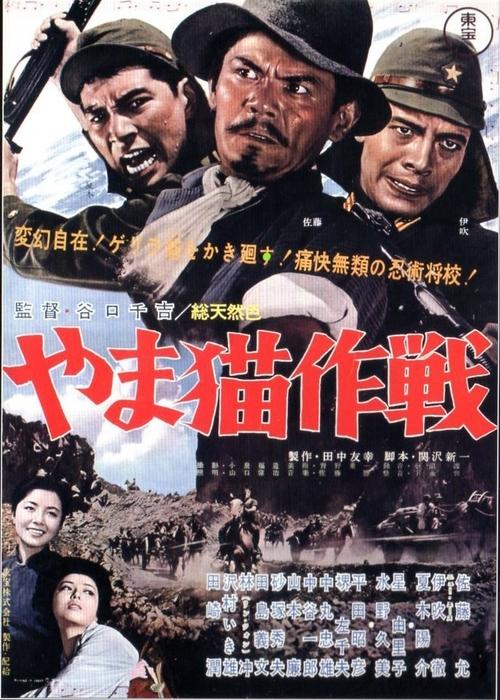
Operation Enemy Fort is a typical 1962 war drama that mirrors the social structures of its time. The film focuses on the narrative and technical elements common in mid-century Japanese studio productions, emphasizing national duty and military organization over social critique. The portrayal leans heavily towards traditional masculine roles and institutional loyalty. While the setting demands diverse ethnic representation, the characters are often simplified wartime stereotypes rather than detailed, layered portrayals. Overall, the film serves as a period-specific look at military conflict, without challenging established social norms or providing visibility to underrepresented groups.
Category Breakdown
The film does not include any LGBTQ+ characters or subtext related to queer identities. It follows the older tradition of excluding such identities from mainstream military dramas.
The story centers on masculine figures in leadership and combat roles. Women are shown mostly in supportive roles like nursing, with limited influence over the main events.
The film depicts Japanese and Chinese forces, requiring diverse ethnic groups. However, these groups are often portrayed using simplified stereotypes of 'the enemy' rather than detailed character development.
The movie emphasizes traditional patriotism and loyalty to the nation. It highlights the importance of military discipline and national unity during wartime.
Injuries are used mainly as plot devices to emphasize the harshness of combat or the sacrifices made. There is no representation of characters with disabilities or neurodivergent individuals.
Present on Screen
Limited or Absent
Official Synopsis
Soldiers on the front lines in China during World War II are besieged by guerrilla attacks and attempt to destroy an enemy fort.
1965
1959
2022
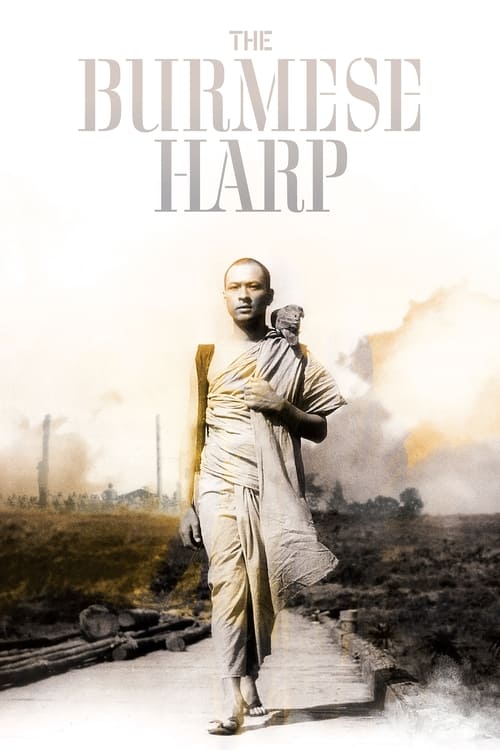
1956
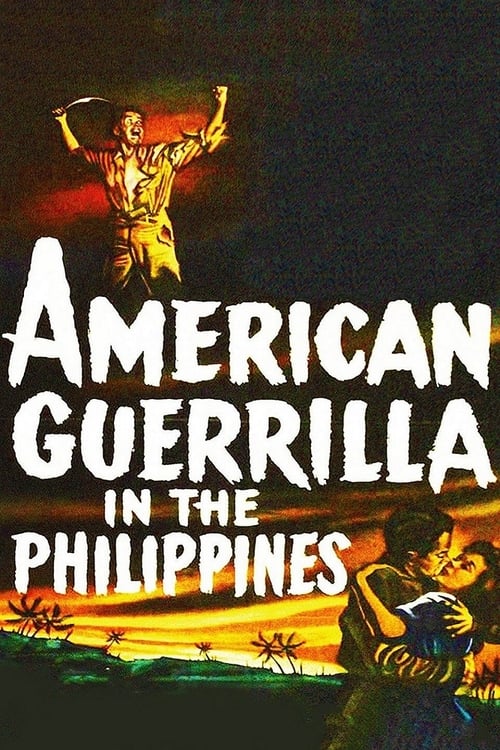
1950

1962

1953
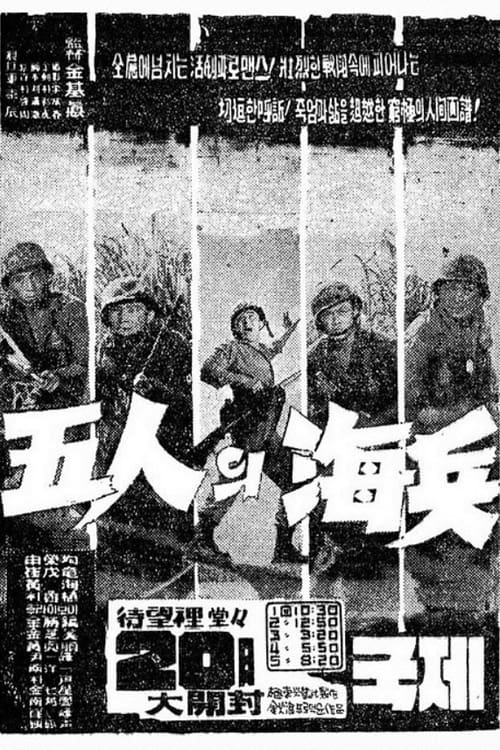
1961
No reviews yet. Be the first to share your thoughts on this movie!
Use the rating form above to leave a star rating and optional review.