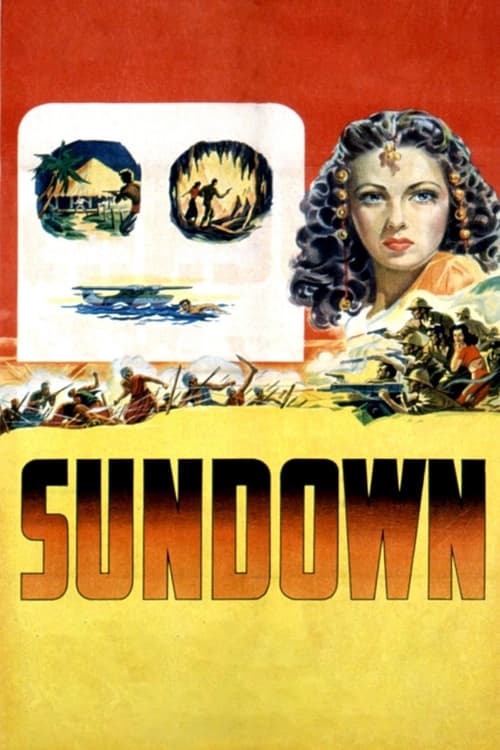
Sundown
1941
No user ratings available yet
Diversity score: 2.3 out of 10
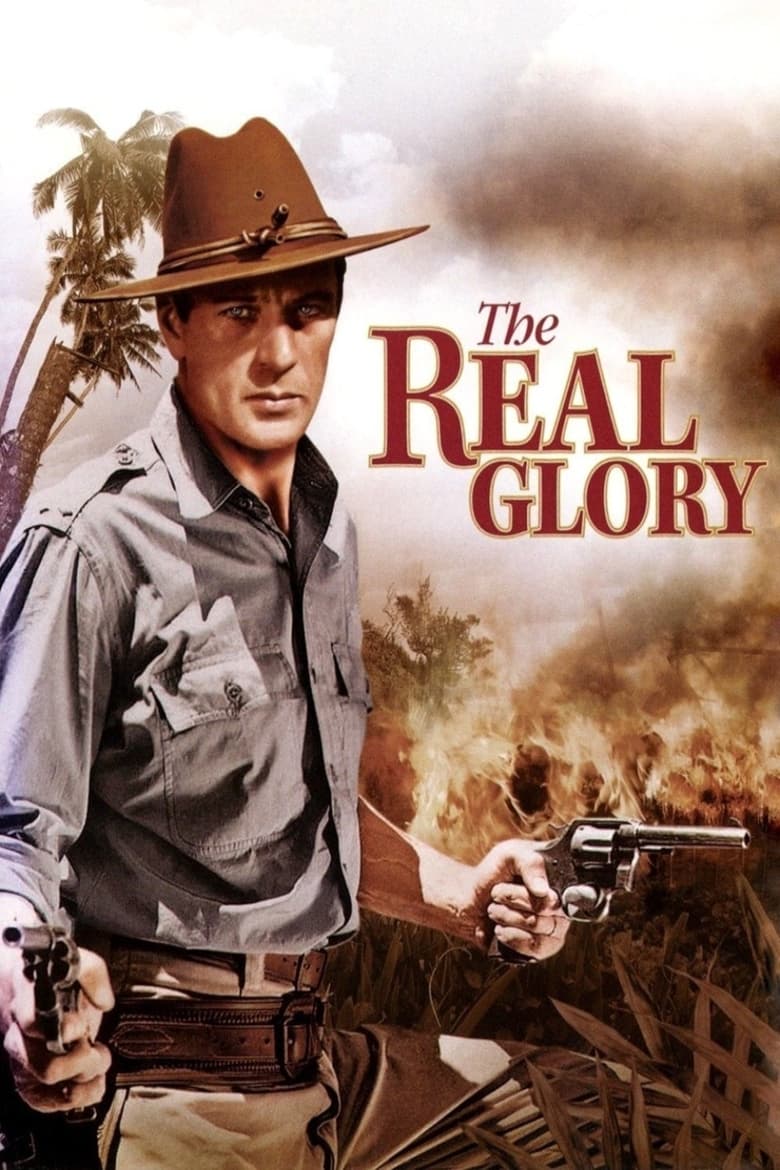
1939
ApprovedDirector
Henry Hathaway
Runtime
97 minutes
Average Rating
No ratings yetSynopsis
Fort Mysang, southern Philippine Islands, under US rule, 1906. A small group of army officers and native troops resist the fierce and treacherous attacks of the ruthless Alisang and his fanatical followers.
Overall Score
Limited
Category Breakdown
LGBTQ+ Representation
The film contains no visible LGBTQ+ characters or non-cisnormative identities. The social landscape is depicted through a strictly traditional lens without any exploration of queer identities.
Gender Representation
Agency is concentrated almost exclusively in male military protagonists. Female characters are relegated to secondary roles, serving primarily as romantic interests or emotional anchors within rigid hierarchies.
Racial & Ethnic Diversity
The narrative centers on a predominantly white American cast. While Filipino characters are present, they largely serve as a backdrop to the American military experience and colonial friction.
Religious & Cultural Diversity
The film operates within a framework of Western institutionalism. It validates American influence by critiquing Spanish colonial excesses rather than offering a systemic critique of imperialism.
Disability Representation
There is no discernible representation of physical, neurodivergent, or mental health disabilities. Characters are portrayed through a lens of physical vigor consistent with the action genre.
Strengths
Areas for Improvement
AI Analysis
The Real Glory functions as a traditional colonial adventure that reinforces the social hierarchies of 1930s Hollywood. The narrative architecture prioritizes American military intervention, centering the story on white protagonists while limiting the agency of the local Filipino population. While the film acknowledges historical friction between colonial powers, it does so to validate Western presence rather than to challenge imperialist structures. The storytelling relies on established tropes of heroism and military duty, offering little room for intersectional complexity. Ultimately, the film lacks progressive identity-based representation. It adheres to conventional gender roles and provides no visibility for LGBTQ+ identities or individuals with disabilities, reflecting the era's Eurocentric and heteronormative perspectives.
1941

1935
1967
1954
1931
1918
1949

1961
1944
1962
1960
1940
No reviews yet. Be the first to share your thoughts on this movie!
Use the rating form above to leave a star rating and optional review.