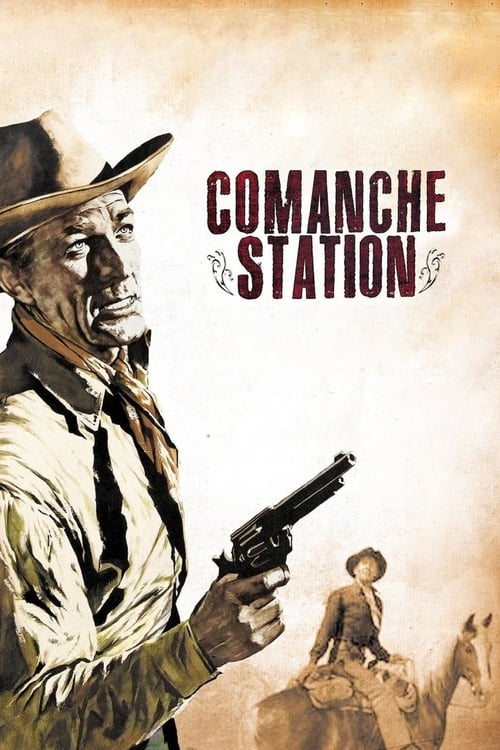
Comanche Station
1960
No user ratings available yet
Representation score: 0.6 out of 10
Representation Score
Minimal
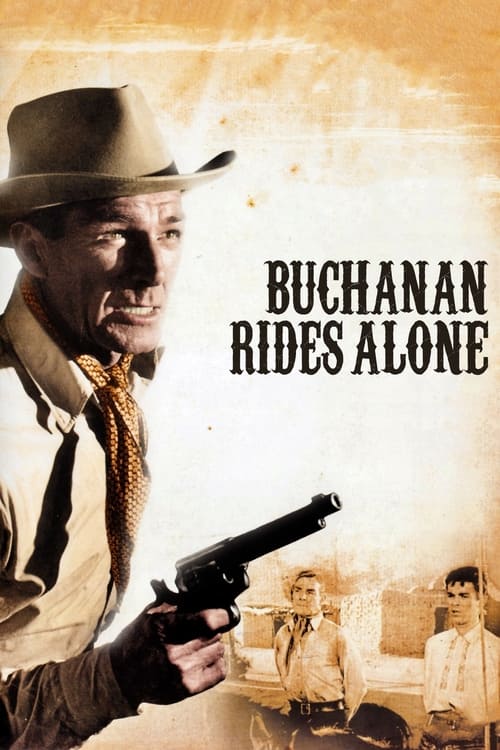
1958
PGDirector
Budd Boetticher
Runtime
80 minutes
Average Rating
No ratings yetNew Showbiz Analysis
Buchanan Rides Alone is a classic mid-century Western that upholds traditional social hierarchies and masculine-centric roles. The film adheres to a conventional moral framework centered around male honor and physical prowess, lacking diverse perspectives. The narrative structure emphasizes individual survival and isolation. It relies on a traditional moral landscape where conflicts are driven by male-centric themes rather than varied viewpoints. The film reinforces the era's cinematic norms through its homogeneous casting and limited roles for women and non-white characters.
Category Breakdown
The film strictly follows mid-century conventions that assume everyone is straight and cisgender. There are no representations of LGBTQ+ identities or same-sex relationships.
The story focuses on masculine conflict and physical strength, giving primary roles to male characters. Female characters play minor roles that support the main male-driven storyline.
The cast is mostly white, reflecting the homogeneous society of 1950s Westerns. A Mexican character is part of the conflict but lacks significant depth in their role.
The story operates within a traditional Western moral framework where the hero faces off against an outlaw. It emphasizes individual justice over broader societal issues.
The film does not include any characters whose stories are shaped by physical impairments or neurodivergence. There is no engagement with the range of disabilities.
Present on Screen
Limited or Absent
Official Synopsis
Passing through a border town, a man is caught up in a Mexican's murder of a member of the town's most powerful family.
1960
1956

1965
1966
1967
1972
1966
1959
No reviews yet. Be the first to share your thoughts on this movie!
Use the rating form above to leave a star rating and optional review.