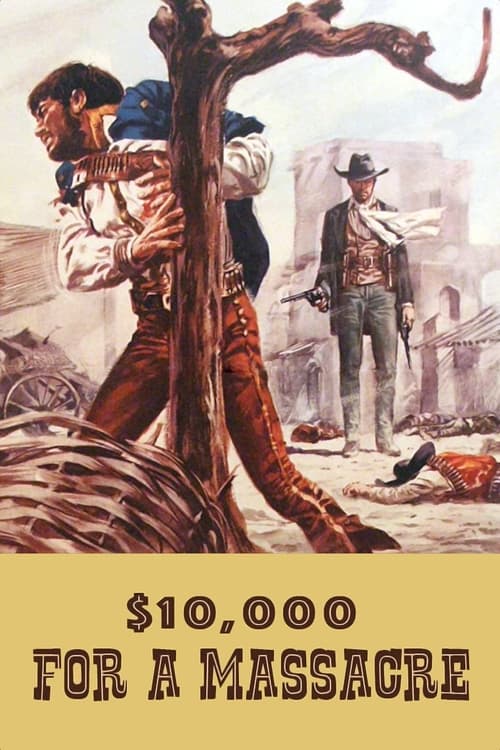
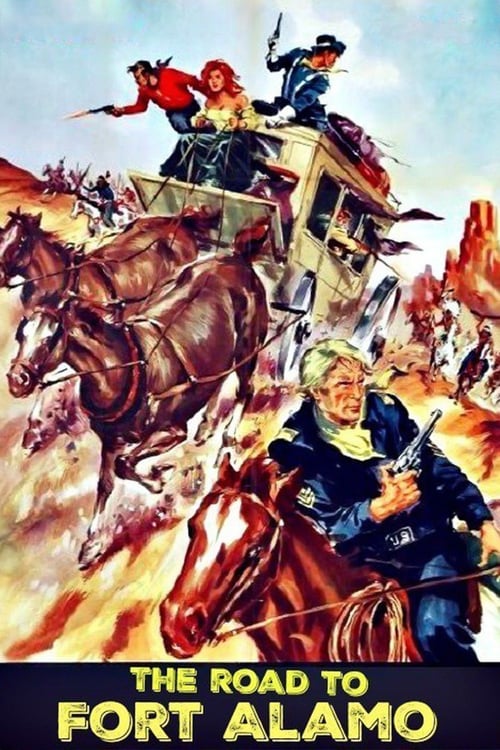
$10,000 for a Massacre
1967
No user ratings available yet
Representation score: 0.8 out of 10
Representation Score
Limited
1964
Not RatedDirector
Mario Bava
Runtime
79 minutes
Average Rating
No ratings yetNew Showbiz Analysis
Mario Bava's Western adheres to the established norms of the mid-1960s, emphasizing genre clichés such as frontier survival and the pursuit of wealth. The narrative structure relies on traditional archetypes that favor masculine-driven conflict and standard racial dichotomies. The film lacks depth in its portrayal of non-male and non-white characters, treating them as obstacles or plot devices rather than fully realized individuals. It functions as a standard genre piece rather than a subversion of social hierarchies.
Category Breakdown
The film does not include any representation of LGBTQ+ identities or same-sex relationships. It adheres strictly to traditional masculine roles.
The story revolves around a male-dominated cast of riders and soldiers. There is a single female character who dies during a shootout, serving mainly as a plot device rather than a person with significant influence.
Indigenous populations are present but are portrayed primarily as externalized threats within the standard 'Indian attack' cliché. The narrative emphasizes conventional frontier conflicts without providing nuanced character development.
The plot unfolds within the context of Western expansionism and military operations. It focuses on the pursuit of wealth and frontier lawlessness without critiquing the underlying institutions.
There is no information available regarding the portrayal of physical or neurodivergent disabilities in this film.
Present on Screen
Limited or Absent
Official Synopsis
A lone rider comes across a dying soldier, the victim of an Indian attack, who gives him a paper authorizing the payment of $150,000 to the U.S. Army. The rider gathers some colleagues who disguise themselves as soldiers and who take the paper to a bank. They get the money but a shoot-out occurs, an old woman is killed, and the gang acrimoniously splits up. Later some members of the gang meet up with some real U.S. Cavalry soldiers and together they must fight off new Indian attacks.
1967
1969
1965
1968
1967
1966
1962
1967
No reviews yet. Be the first to share your thoughts on this movie!
Use the rating form above to leave a star rating and optional review.