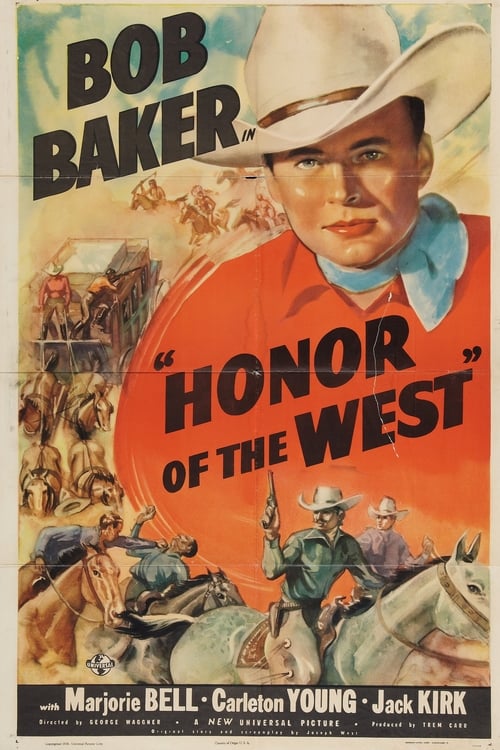
Honor of the West
1939
No user ratings available yet
Representation score: 0.3 out of 10
Representation Score
Minimal
1942
ApprovedDirector
Joseph Kane
Runtime
60 minutes
Average Rating
No ratings yetNew Showbiz Analysis
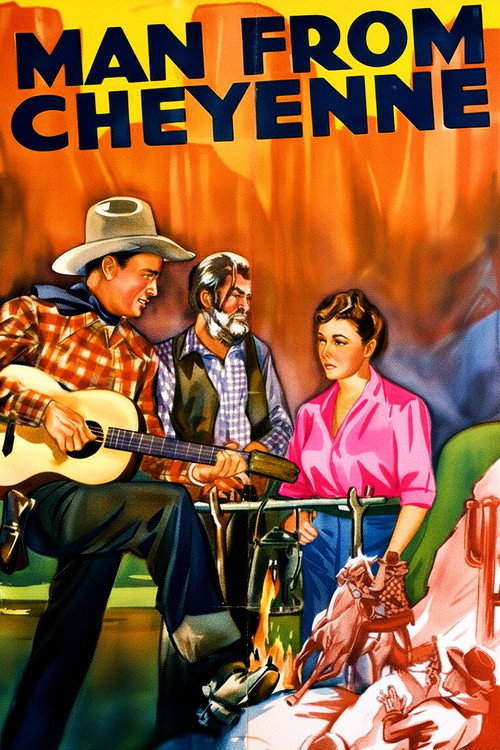
Man from Cheyenne is a classic example of a 1942 Western film, emphasizing traditional narrative structures and social hierarchies. The film centers on a male protagonist restoring order and upholding the status quo. It reinforces established frontier archetypes and binary morality. The work lacks complexity in representing diverse identities and social issues. Instead, it upholds traditional values and social norms, focusing on the maintenance of the existing social order.
Category Breakdown
The film does not include any LGBTQ+ characters. The story revolves around the romantic relationship between the male protagonist and a female antagonist, adhering to traditional heterosexual norms.
The male protagonist holds most of the power and control in the story. A female gang leader serves as a moral contrast to the hero but does not challenge traditional gender roles.
The film portrays a predominantly white cast with no significant racial diversity. The frontier setting lacks characters from different racial backgrounds.
The story emphasizes traditional Western values and the importance of formal laws. It highlights the hero's role in upholding the status quo against criminal elements.
The film does not depict any visible or invisible disabilities. Characters conform to typical physical types found in Western genre films.
Present on Screen
Limited or Absent
Official Synopsis
Roy is a government man assigned to a case of cattle rustling in the part of the country where he grew up, unaware that the leader of the gang is a woman, in fact an old flame.
1939
1939
1939
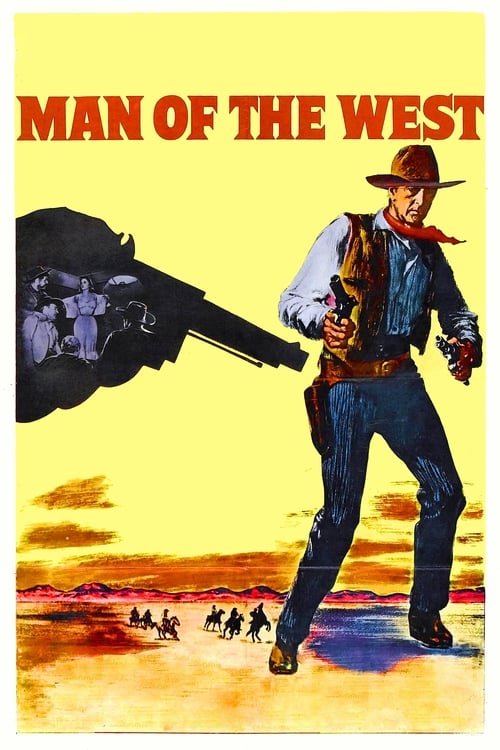
1958
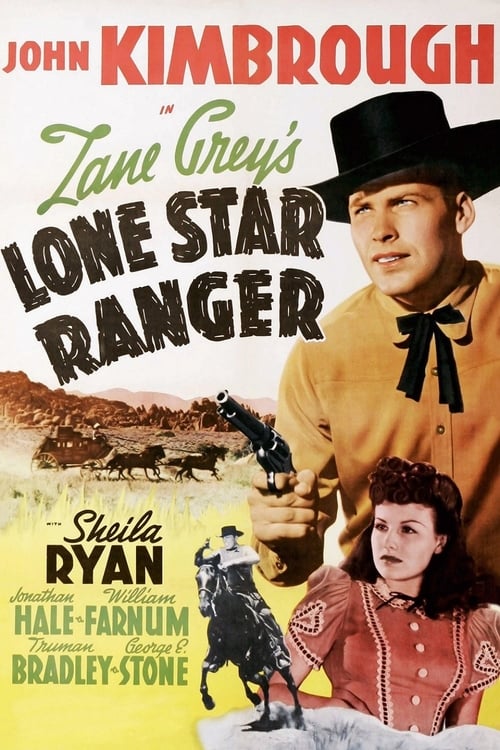
1942
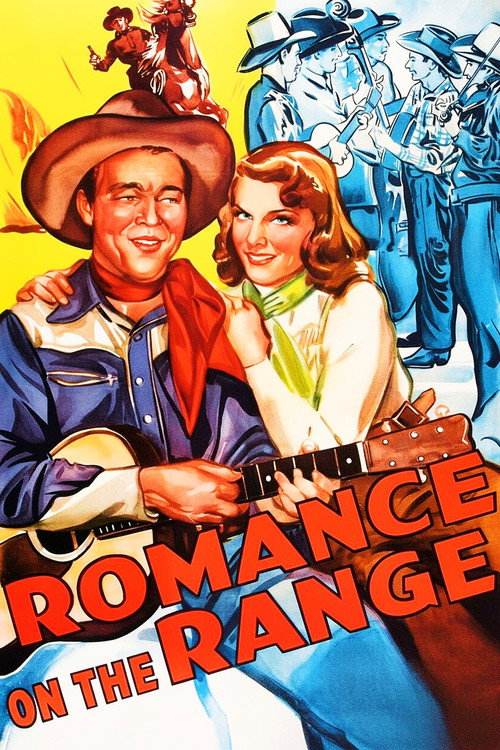
1942
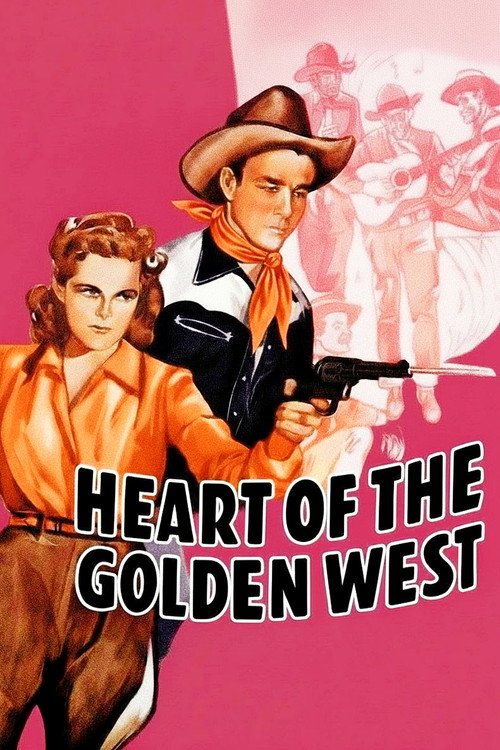
1942
1944
No reviews yet. Be the first to share your thoughts on this movie!
Use the rating form above to leave a star rating and optional review.