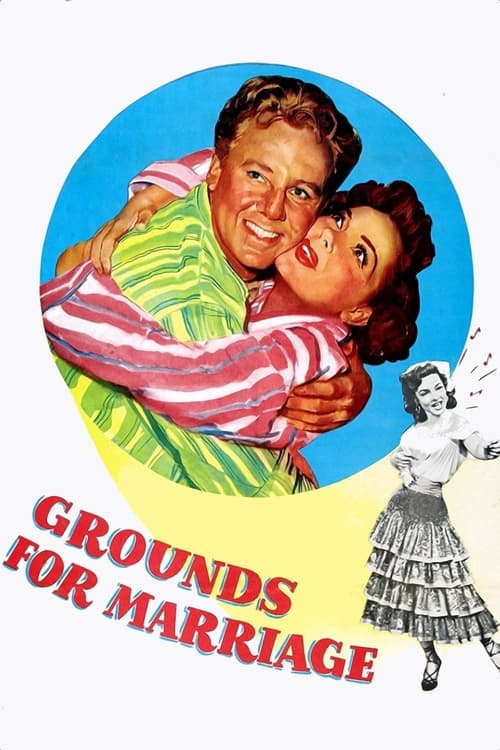
Grounds for Marriage
1951
No user ratings available yet
Representation score: 1.6 out of 10
Representation Score
Limited
1945
ApprovedDirector
Del Lord
Runtime
70 minutes
Average Rating
No ratings yetNew Showbiz Analysis
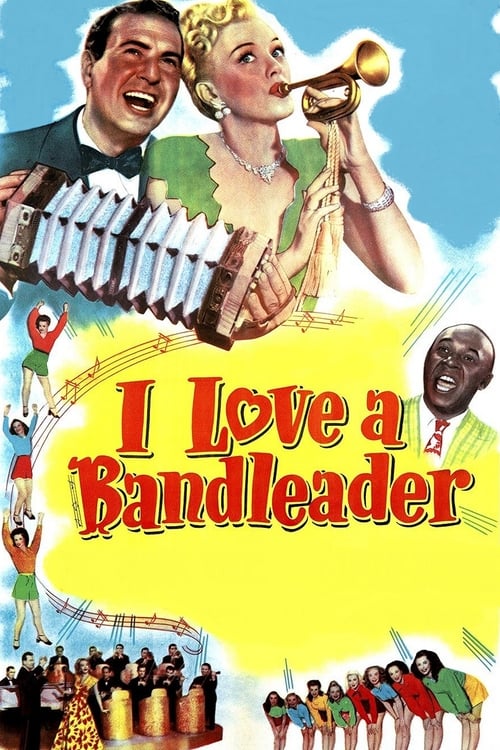
I Love a Bandleader is a classic example of the 1940s studio system, focusing on genre-specific comedic structures rather than social critique. The film relies on established clichés to maintain its musical comedy format, reinforcing the status quo of its time. Representation across all categories is constrained by the era’s conventional social hierarchies. Characters primarily serve to uphold traditional gender roles and middle-class aspirations, offering little room for layered diversity or varied perspectives. Ultimately, the film mirrors the homogeneous social landscape of mid-century America, lacking any deliberate effort to challenge or broaden the era’s standard cultural expectations.
Category Breakdown
The film adheres to traditional heterosexual relationship patterns common in the 1940s. The plot revolves around a romantic pursuit between a man and a female singer, emphasizing conventional courtship scenarios.
Gender roles follow the conventions of the era. The female lead showcases her influence through her musical talents but primarily functions as a romantic interest and a catalyst for the main character.
The film reflects the casting practices typical of the 1940s studio era. There is no indication of a predominantly non-white cast or diverse ethnic identities within the setting.
The storyline aligns with mainstream mid-century American culture. It upholds cultural norms related to social interactions and professional success without challenging Western institutions.
Amnesia is used as a humorous plot device to create misunderstandings. This cognitive condition is employed as a situational cliché rather than explored in depth.
Present on Screen
Limited or Absent
Official Synopsis
A painter suffering from amnesia convinces himself that he's a famous bandleader and finds romance with a pretty singer. Comedy with music.
1951

1953
1936
1944
1947
1935
1936

1929
No reviews yet. Be the first to share your thoughts on this movie!
Use the rating form above to leave a star rating and optional review.