Swingtime Johnny
1944
No user ratings available yet
Representation score: 0.4 out of 10
Representation Score
Limited
1944
ApprovedDirector
Lewis D. Collins
Runtime
63 minutes
Average Rating
No ratings yetNew Showbiz Analysis
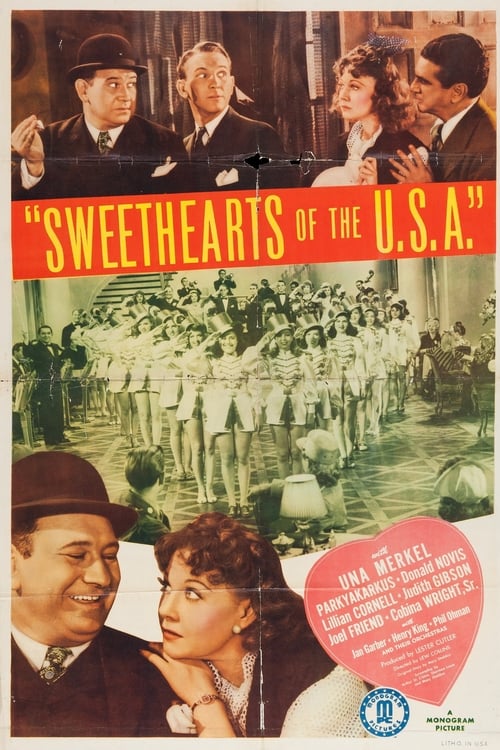
Sweethearts of the U.S.A. functions as a morale-boosting musical comedy designed to reinforce the social and political status quo of wartime America. The dream-sequence structure serves to blend musical spectacle with patriotic themes, celebrating the existing national identity. The film lacks multi-layered storytelling or narrative subversion. Instead, it utilizes a standardized production model to promote cohesion and support the state-led industrial mobilization of the 1940s. Ultimately, the work prioritizes mainstream appeal and traditional social norms over diverse representation, acting as a quintessential example of mid-century studio era media.
Category Breakdown
The film likely adheres to the assumption that everyone is straight or cisgender. There is no evidence of non-assuming gender matches what was assigned at birth identities or same-sex intimacy due to the era's strict censorship.
The narrative features women working in defense plants, reflecting the era's wartime labor shifts. However, these roles likely support a male-led hierarchy rather than challenging patriarchal structures.
The production likely centers on a white, Anglo-Saxon perspective. It reflects the demographic homogeneity typical of mainstream Hollywood during the 1940s.
The film promotes a singular, patriotic vision of American national identity. It functions as an instrument of Western institutional support through its focus on the war effort.
There is no indication of characters with disabilities. In this genre, such identities were often omitted to maintain a sense of escapist optimism.
Present on Screen
Limited or Absent
Official Synopsis
A WW-II defense plant worker gets knocked out and dreams about helping the war effort in various ways, including solving a crime.
1944
1945
1945
1944
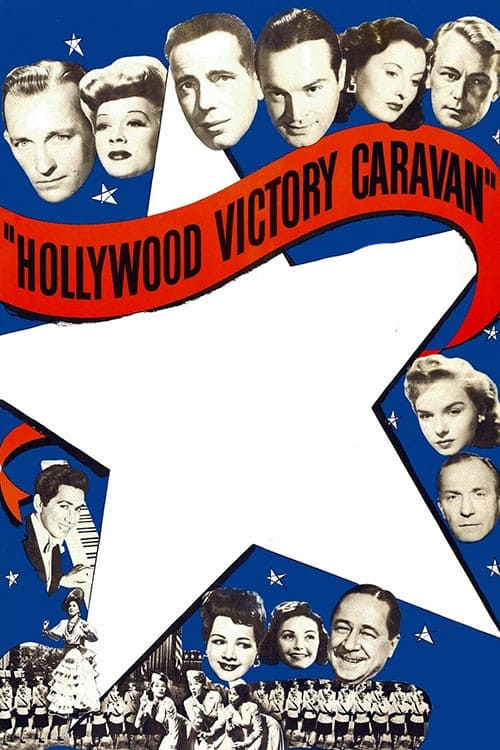
1945
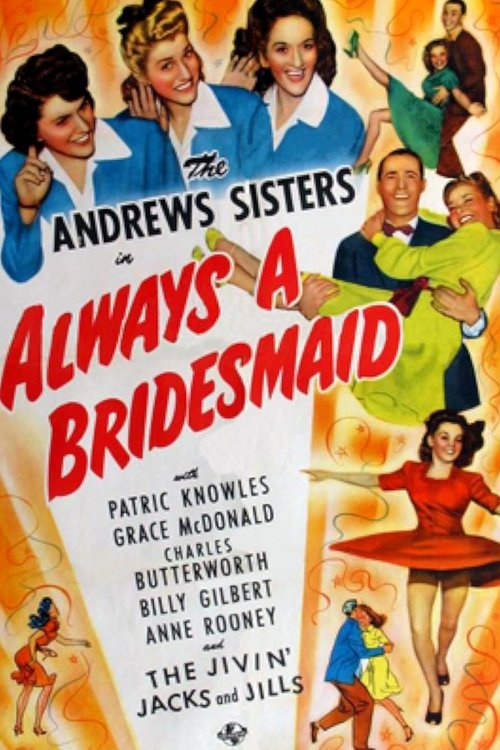
1943
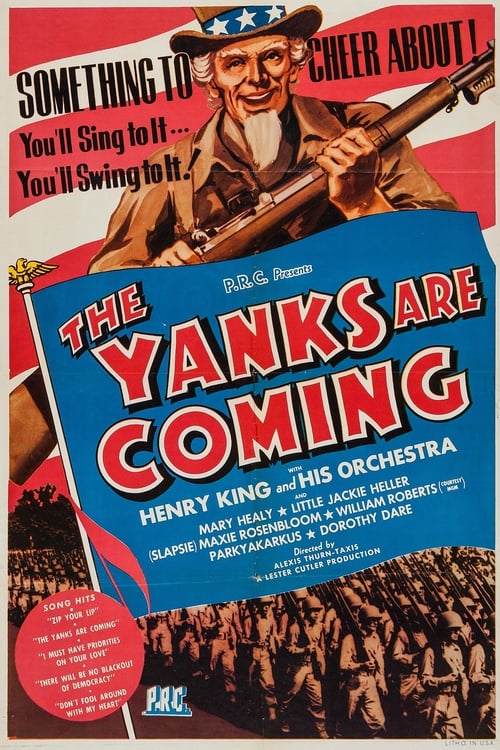
1942
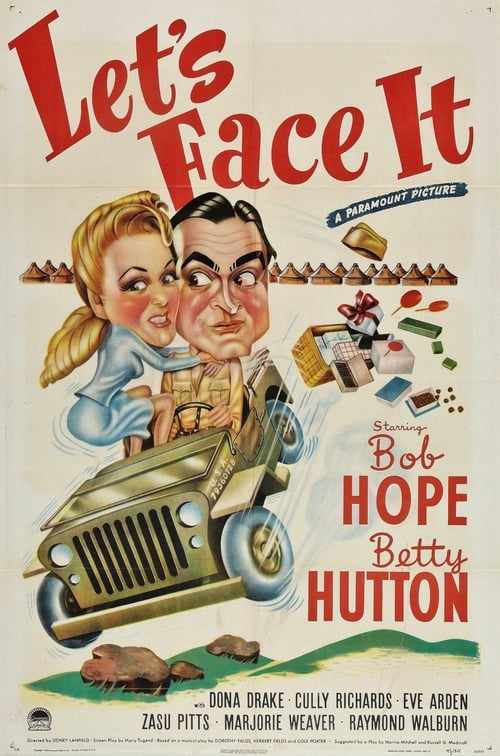
1943
No reviews yet. Be the first to share your thoughts on this movie!
Use the rating form above to leave a star rating and optional review.