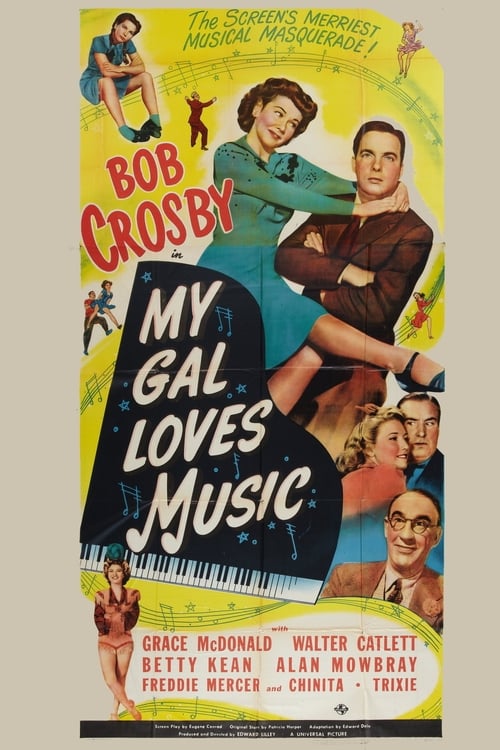
My Gal Loves Music
1944
No user ratings available yet
Diversity score: 2.3 out of 10
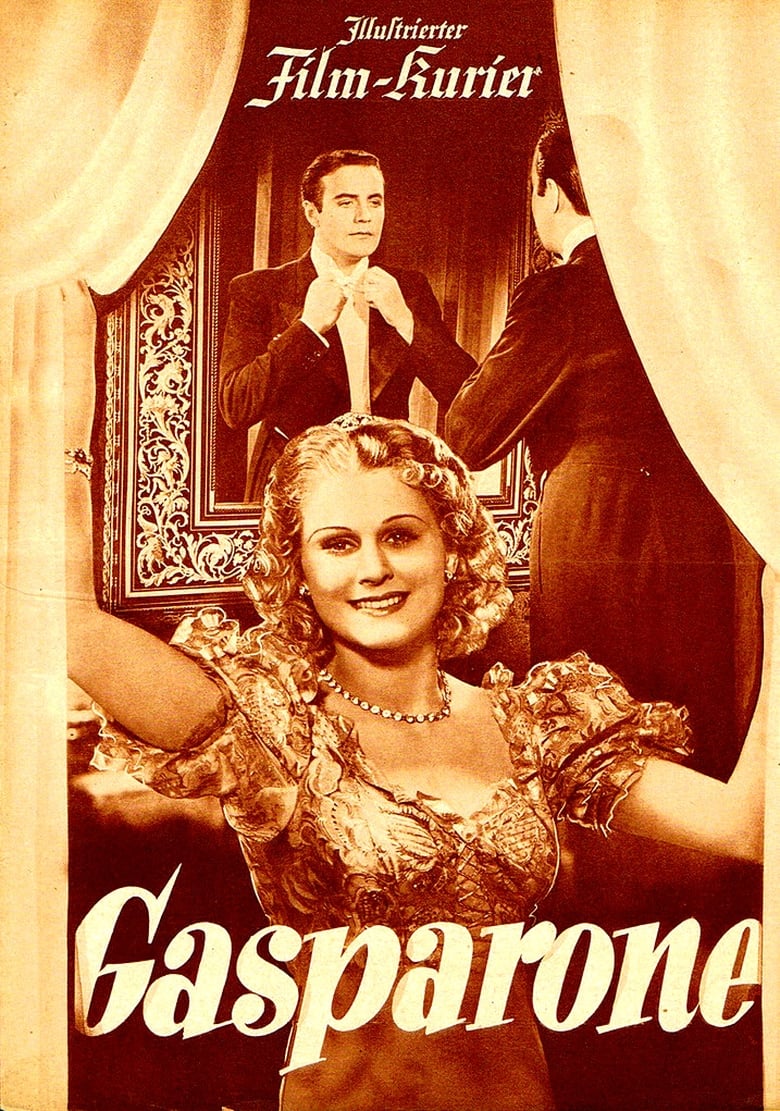
1937
Director
Georg Jacoby
Runtime
94 minutes
Average Rating
No ratings yetSynopsis
In the fantasy state of Olivia, the robber chief Gasparone is up to all sorts of mischief. But Prefect Nasoni is not only worried about him, his son Sindulfo is also causing him headaches. He is supposed to marry Countess Ambrat, but loves Ita, the niece of Massaccio, a somewhat obscure existence. Then the elegant Erminio appears, and the countess makes eyes at him. Confusion after confusion until Massaccio is unmasked as Gasparone. Erminio turns out to be a civil servant who was set on Gasparone and now gets his beautiful countess. Sindulfo is the last to embrace his Ita.
Overall Score
Limited
Category Breakdown
LGBTQ+ Representation
The film follows a strictly heteronormative structure. Romantic conflicts center on traditional pairings between male protagonists and female love interests. No non-cisnormative identities or same-sex intimacy are present.
Gender Representation
Female characters like Ita and Countess Ambrat drive romantic complications but primarily serve as objects of desire. The plot adheres to conventional 1930s gender roles without subverting patriarchal structures.
Racial & Ethnic Diversity
Set in 18th-century Naples, the casting reflects the era's homogeneity. The production focuses on European class distinctions rather than racial or ethnic intersectionality.
Religious & Cultural Diversity
The story uses the 'charming rogue' trope to create comedic mischief. It prioritizes restoring social equilibrium over any systemic critique of institutions or traditional family units.
Disability Representation
There is no evidence of physical or neurodivergent disability representation. Characters are presented through standard archetypal comedic and romantic roles.
Strengths
Areas for Improvement
AI Analysis
Gasparone is a traditional 1930s musical comedy that reinforces established social and romantic hierarchies. The narrative relies on resolving romantic misunderstandings and adhering to class-based archetypes typical of the operetta genre. The film functions as lighthearted entertainment rather than social critique. While the protagonist's rogue status provides minor friction, the story ultimately restores the status quo through conventional storytelling. Representation is limited by the era's standards, focusing on European nobility and commoners. It lacks the intentionality needed to disrupt traditional norms or provide intersectional depth.
1944
1943
1933
1933
1943
1958
1951
1954
1933

1945
1933

1934
No reviews yet. Be the first to share your thoughts on this movie!
Use the rating form above to leave a star rating and optional review.