Gilsodom
1986
No user ratings available yet
Representation score: 3.9 out of 10
Representation Score
Good
1993
Director
Im Kwon-taek
Runtime
113 minutes
Average Rating
No ratings yetNew Showbiz Analysis
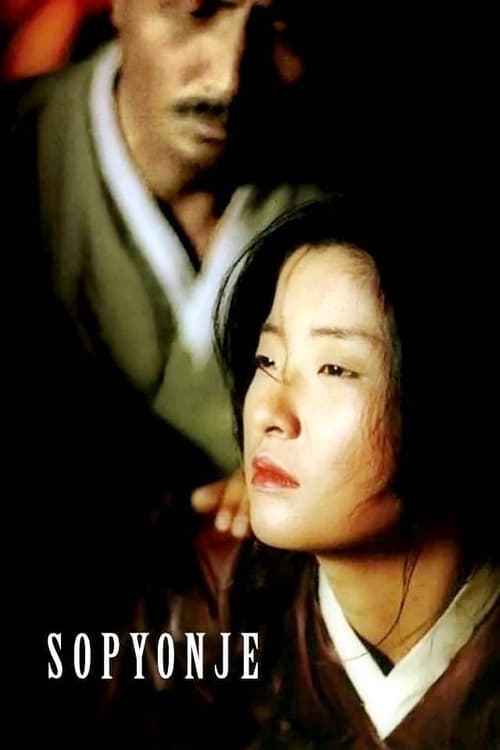
Sopyonje is a profound exploration of Korean identity and the preservation of pansori during the Japanese colonial era. It succeeds by emphasizing indigenous aesthetics and avoiding Western storytelling conventions, making it a crucial piece of cultural cinema. The film's strength lies in its portrayal of traditional art as a form of resistance. By focusing on the internal mechanics of Korean heritage, it offers a deep, non-Western perspective on history and survival. However, the film's depiction of gender is complicated by its patriarchal roots. The central conflict involves a father's decision to blind his daughter, which grants her spiritual depth but stems from restrictive social norms.
Category Breakdown
The film focuses on traditional family legacies and the preservation of musical traditions. It does not include stories about LGBTQ+ individuals or non-cisgender identities.
Song-hwa is a strong female lead whose artistic skills drive the story forward. Despite her father's controlling behavior, she gains significant professional independence.
The film emphasizes the importance of Korean culture during the Japanese colonial period. It avoids Western influence by highlighting local art and history.
The narrative examines the cultural survival and the threat of losing national identity during colonial times. It uses the fight for artistic purity as a metaphor for national identity.
Visual impairment is a key part of the protagonist's identity. Song-hwa's blindness enhances her sensory perception and artistic abilities.
Present on Screen
Limited or Absent
Official Synopsis
The 1930s. Wishing to pass down his knowledge, the father teaches his children to sing Pansori. The elder daughter and the younger son become professional singers but time has changed and people are no longer interested in folk singing. The younger boy gives up on his studies and runs away from home. Fearful that the daughter might do the same, the father blinds her. The blind girl continues to practice with great diligence and achieves perfection in this art. Years pass, the brother is roaming the world in search of his sister and eventually finds her. All night long they sing together sharing their memories.
1986

2019
2007
2002

1981

2012

1983
1971
No reviews yet. Be the first to share your thoughts on this movie!
Use the rating form above to leave a star rating and optional review.