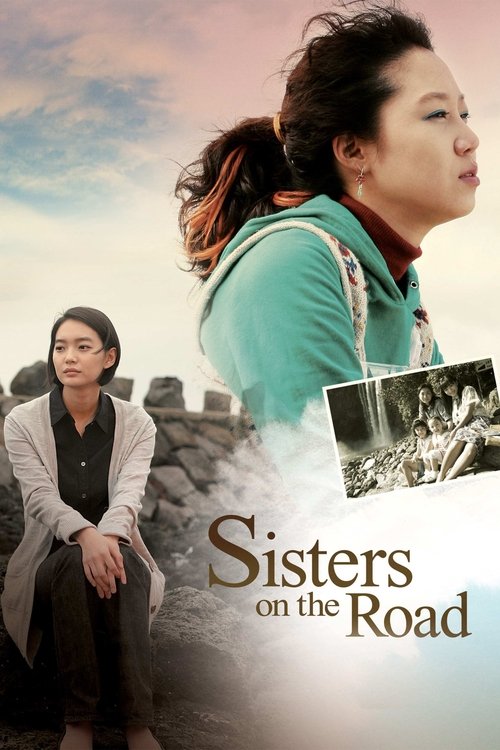
Sisters on the Road
2009
No user ratings available yet
Representation score: 5.9 out of 10
Representation Score
Good
2009
Not RatedDirector
So Yong Kim
Runtime
90 minutes
Average Rating
No ratings yetNew Showbiz Analysis
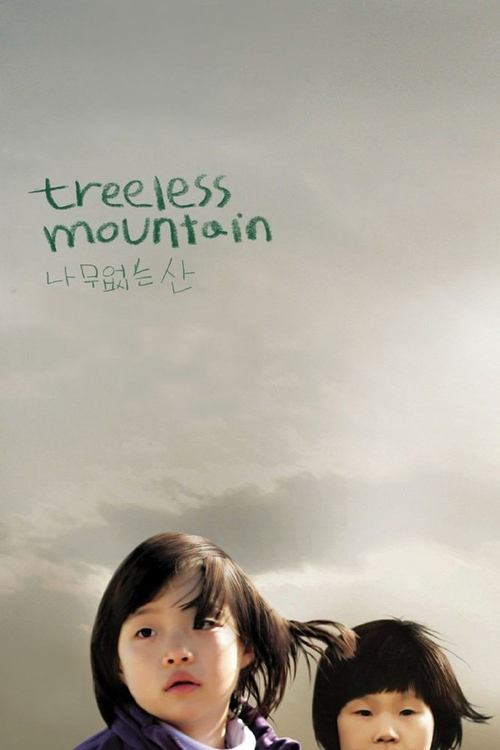
Treeless Mountain is a character-driven study of survival that succeeds by centering a matriarchal lineage. By focusing on the complexities of maternal abandonment and the labor of women, it challenges traditional patriarchal hierarchies. The film's strength lies in its authentic, localized perspective. It avoids the common pitfalls of international co-productions by offering an immersive look at Korean rural life without a Westernized lens. While the film lacks representation for LGBTQ+ identities and specific physical disabilities, it compensates through a nuanced exploration of psychological trauma and systemic instability.
Category Breakdown
The film does not include any LGBTQ+ characters or explore non-straight relationships. It focuses on a traditional family structure centered around biological ties.
The story emphasizes the role of women, driven by a matriarchal lineage of mothers and grandmothers. It challenges traditional patriarchal stereotypes by highlighting women's resilience and domestic work.
The film provides an authentic, non-Western perspective through a predominantly Korean cast and setting. It avoids the Western viewpoint to offer an immersive experience of rural Korean life.
The story examines the instability of traditional family institutions through social realism. It criticizes systemic failures by showing the harsh realities of rural poverty and subsistence.
There are no explicit depictions of physical or sensory disabilities. However, the film explores the psychological impact of abandonment and emotional trauma within a harsh environment.
Present on Screen
Limited or Absent
Official Synopsis
A Korean woman leaves her two young daughters with her sister-in-law to search for their estranged father.
2009
2002

2004

2014
2003
2019

2018
2007
No reviews yet. Be the first to share your thoughts on this movie!
Use the rating form above to leave a star rating and optional review.