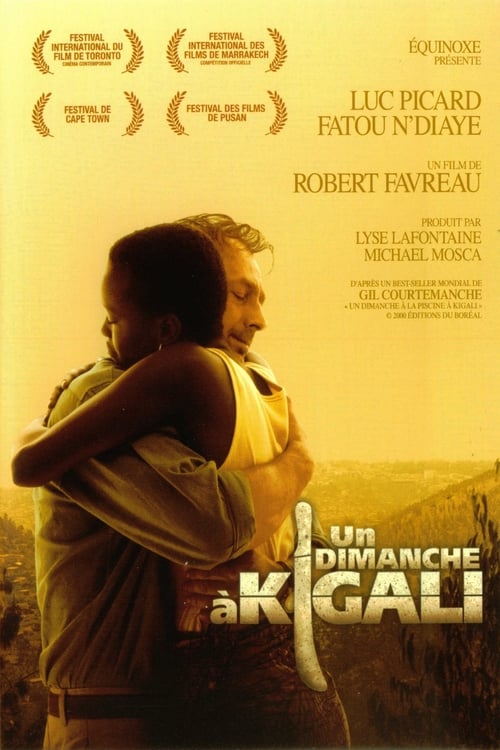
A Sunday in Kigali
2006
No user ratings available yet
Representation score: 7.2 out of 10
Representation Score
Good
2008
Not RatedDirector
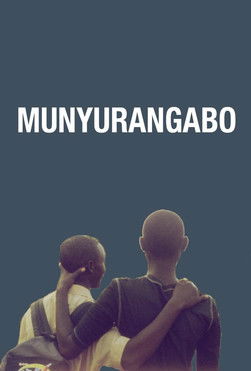
Lee Isaac Chung
Runtime
97 minutes
Average Rating
No ratings yetNew Showbiz Analysis
Munyurangabo stands out by shifting the focus away from a Western perspective to a localized one, emphasizing the lived experiences of a Rwandan community. It presents a quiet, contemplative view of identity and memory. The film excels in its cultural specificity and its portrayal of female characters as strong leaders rather than passive victims. By focusing on the domestic realities of a child’s journey, it achieves a unique level of narrative authenticity. Though it lacks LGBTQ+ representation and explicit disability narratives, the film compensates with a sophisticated exploration of psychological trauma, avoiding clichés and presenting a complex portrait of survival in a post-genocide environment.
Category Breakdown
The film does not include any explicit LGBTQ+ characters or stories. Instead, it focuses on the familial and ancestral connections within a traditional Rwandan social structure.
The film challenges patriarchal structures by emphasizing the role of women as the primary stabilizers and architects of survival. Female characters like the protagonist's mother and grandmother play key roles in the story.
The film features an authentic Rwandan cast and setting, avoiding color-blind casting and prioritizing the autonomy and cultural specificity of the characters.
The film explores post-colonial themes and the tension between tradition and modernity. It avoids Western-centric morality, offering a nuanced look at how historical trauma shapes identity.
The film does not depict physical or neurodivergent disabilities explicitly. However, it provides a deep study of the psychological trauma resulting from the genocide.
Present on Screen
Limited or Absent
Official Synopsis
An orphan of the Rwandan genocide travels from Kigali to the countryside on a quest for justice.
2006

2010

2013

2009
2007
2010
2013

2011
No reviews yet. Be the first to share your thoughts on this movie!
Use the rating form above to leave a star rating and optional review.