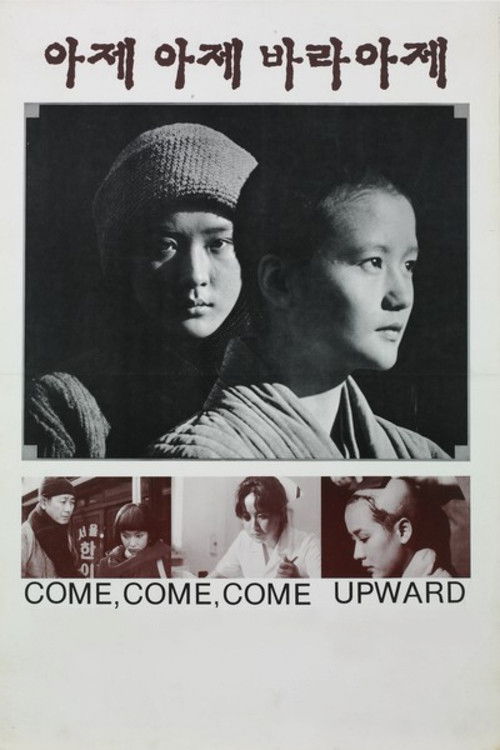
Come, Come, Come Upward
1989
No user ratings available yet
Representation score: 5.6 out of 10
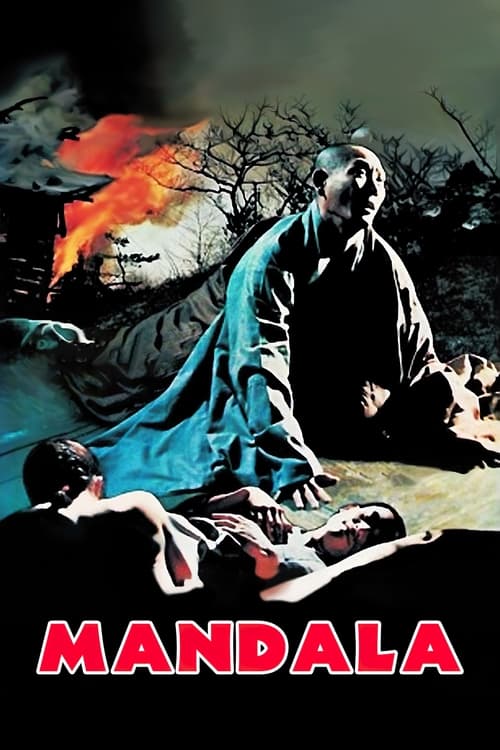
Representation Score
Limited
1981
Director
Im Kwon-taek
Runtime
111 minutes
Average Rating
No ratings yetNew Showbiz Analysis
Mandala stands out as a culturally significant film that rejects Western-centric storytelling by focusing on South Korean identity and Buddhist philosophy. However, the film's social composition remains traditional, with a male-dominated spiritual journey that excludes women and LGBTQ+ representation. The film's strength lies in its deep cultural and philosophical roots, while its areas for improvement include a lack of gender diversity and representation of LGBTQ+ identities.
Category Breakdown
The film focuses solely on the spiritual journeys of two male characters, with no clear LGBTQ+ identities or non-straight relationships present.
Women are largely excluded from the film, which emphasizes male spiritual leadership and limits female involvement to a male-dominated domain.
The film highlights Korean culture through its predominantly Korean cast and settings, avoiding a Western-centric perspective.
The story uses Buddhist philosophy to critique modern capitalist society and urban life, presenting traditional social structures as forms of spiritual bondage.
The film does not prominently feature characters with physical or cognitive disabilities.
Present on Screen
Limited or Absent
Official Synopsis
A story that follows the lives and interactions of two Buddhist monks living in South Korea.
1989
1970
1989
1985
1993

2005
1986
1986
No reviews yet. Be the first to share your thoughts on this movie!
Use the rating form above to leave a star rating and optional review.