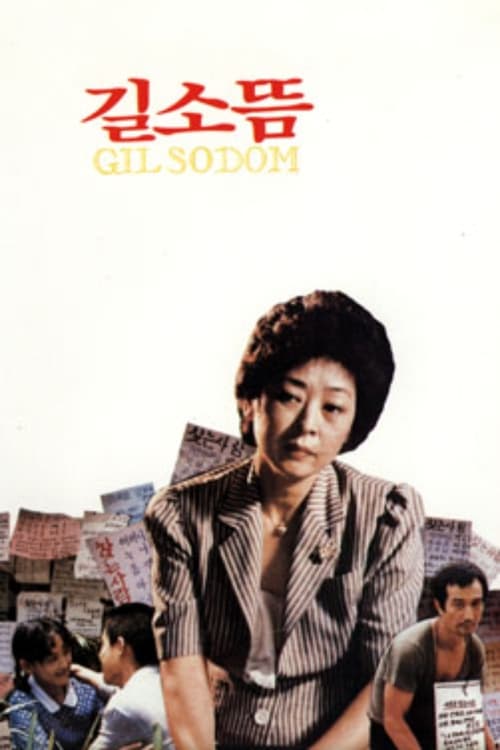
Gilsodom
1986
No user ratings available yet
Representation score: 3.9 out of 10
Representation Score
Limited
1983
Director
Im Kwon-taek
Runtime
103 minutes
Average Rating
No ratings yetNew Showbiz Analysis
Im Kwon-taek’s drama stands out as a localized character study that breaks down the hero-versus-villain cliché. By bringing former ideological foes together in a shared space of hardship, the film transcends simplistic nationalist binaries to explore human vulnerability. While the film excels in ethnic authenticity and cultural complexity, it remains confined to a narrow demographic focus. The narrative is dominated by male-driven conflict, offering limited opportunities for diverse gender perspectives or LGBTQ+ representation. Ultimately, the film is a significant work of national cinema. It prioritizes a deep, nuanced exploration of Korean identity and the enduring impact of socio-political upheaval over broad representation.
Category Breakdown
The film does not include any LGBTQ+ characters or explore non-straight identities. The main storyline centers around a conflict between former adversaries, emphasizing traditional masculinity.
The story primarily follows a traditional masculine perspective focused on struggle and survival. Women play minor roles, and there is little emphasis on female empowerment in the main plot.
The film features a predominantly Korean cast, achieving high ethnic authenticity. It avoids a Western-centric viewpoint by focusing on local historical events and trauma.
The narrative delves into subjective morality by juxtaposing a former military officer with a Communist guerrilla fighter. It challenges official morality through a framework of moral relativism.
The film does not depict any characters with physical or cognitive disabilities.
Present on Screen
Limited or Absent
Official Synopsis
In 1980s South Korea, a former cop, now in destitution, is placed in a rehabilitation center, where, by chance, he finds the Communist guerilla who had eluded his capture more than 30 years ago.
1986
2001
1993

2016
2004
2018
1981
2017
No reviews yet. Be the first to share your thoughts on this movie!
Use the rating form above to leave a star rating and optional review.