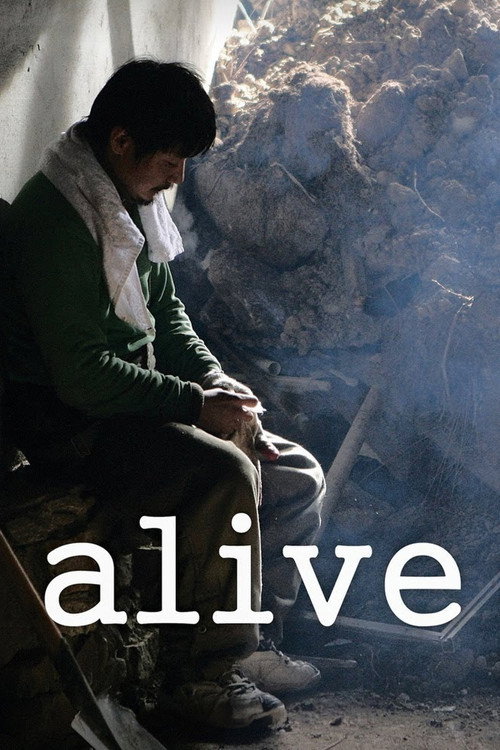
Alive
2015
No user ratings available yet
Representation score: 7.4 out of 10
Representation Score
Good
2011
Not RatedDirector
Park Jung-bum
Runtime
127 minutes
Average Rating
No ratings yetNew Showbiz Analysis
The film is a powerful work of social realism that prioritizes the examination of systemic power over individual identity politics. It excels in its portrayal of the friction between displaced individuals and the structural mechanics of modern South Korean society. While the film lacks overt representation of LGBTQ+ or specific disability identities, it stands out in its critique of class. It uses the North Korean defector to challenge the exclusionary nature of the dominant social order. Ultimately, the film's strength lies in its refusal to romanticize the modern experience. It presents contemporary society as inherently predatory toward those who do not conform to the economic machine.
Category Breakdown
The film does not include any LGBTQ+ characters or narratives. The story focuses solely on the class struggle and the survival of a North Korean defector.
Gender dynamics are secondary to the exploration of class. The narrative avoids traditional domestic roles, emphasizing the protagonist's survival skills within exploitative labor conditions.
The film centers on the North Korean defector as an 'othered' figure. It explores the internal migration experience and challenges the idea of a homogeneous national identity.
The narrative critiques the prosperity of modern capitalism. It portrays Seoul as a place of exploitation, presenting economic stability as a source of deep alienation.
There is no explicit focus on physical or neurodivergent disabilities. However, the film highlights a socioeconomic disability through the protagonist's inability to function within a rigid capitalist system.
Present on Screen
Limited or Absent
Official Synopsis
North Korean defector Seung-chul is a refugee living on the harsh edges of Seoul. Bewildered by exploitative employers and cynical urbanites, he’s no good for business. A powerful realism underscores this prize-winning feature debut about the struggle to survive in a strange new world.
2015

2024
2008
1970

2006

2023

2014

2020
No reviews yet. Be the first to share your thoughts on this movie!
Use the rating form above to leave a star rating and optional review.