
Poetry
2010
No user ratings available yet
Representation score: 8.0 out of 10
Representation Score
Good
2000
Not RatedDirector
Lee Chang-dong
Runtime
131 minutes
Average Rating
No ratings yetNew Showbiz Analysis
Lee Chang-dong’s masterpiece succeeds as a rigorous critique of state power and systemic oppression. By using a non-linear structure, the film deconstructs nationalistic myths and highlights institutional violence. The film excels in its cultural depth and its refusal to sanitize history. However, it lacks representation for LGBTQ+ identities and treats mental health primarily as a vehicle for historical commentary rather than an exploration of neurodivergence.
Category Breakdown
The film focuses solely on the romantic relationship between Kim Young-ho and Chun-yi. It does not include any representation of LGBTQ+ identities or narratives that challenge straight-centered structures.
The narrative explores gendered experiences through Chun-yi, showing how political and economic pressures affect women's roles. It avoids traditional gender clichés by portraying the male protagonist as morally flawed.
As a key South Korean work, the film provides a non-Western perspective that challenges Anglo-centric storytelling. It centers on specific socio-political histories and explores national trauma.
The film offers a profound critique of state authority and political violence. It uses a reverse-chronological structure to deconstruct the myth of progress and the corruption of youthful idealism.
The story heavily depicts the protagonist's severe depression and psychological fragmentation. However, these struggles primarily serve as a reflection of external political trauma.
Present on Screen
Limited or Absent
Official Synopsis
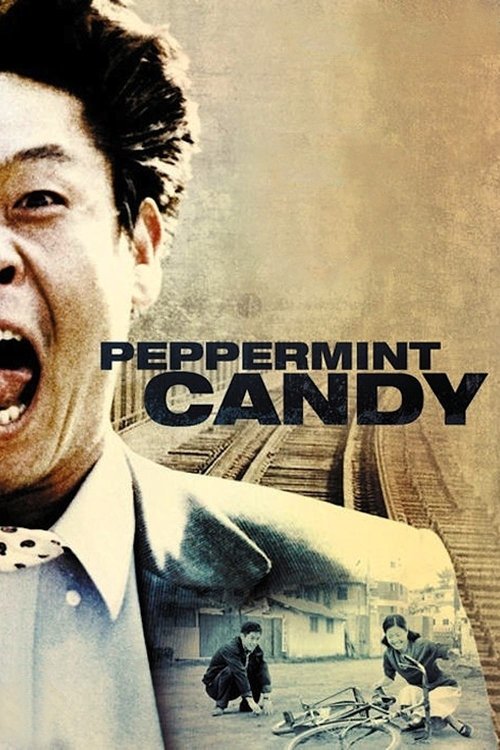
In the spring of 1999, a group of old friends gather to celebrate their 20 year reunion. Among the group is Yeong-ho, a cold, unhappy man, whose demeanor puts a damper on the festivities. The seriousness of Yeong-ho's depression becomes apparent when he climbs a railroad bridge and looks like he might jump. At this crucial moment, memories of seven crucial episodes from Yeong-ho's past flood his mind.
2010
2001

2016
2002
2009
2011

2001
1993
No reviews yet. Be the first to share your thoughts on this movie!
Use the rating form above to leave a star rating and optional review.