Yanks
1979
No user ratings available yet
Representation score: 2.9 out of 10
Representation Score
Limited
1957
ApprovedDirector
Robert Wise
Runtime
94 minutes
Average Rating
No ratings yetNew Showbiz Analysis
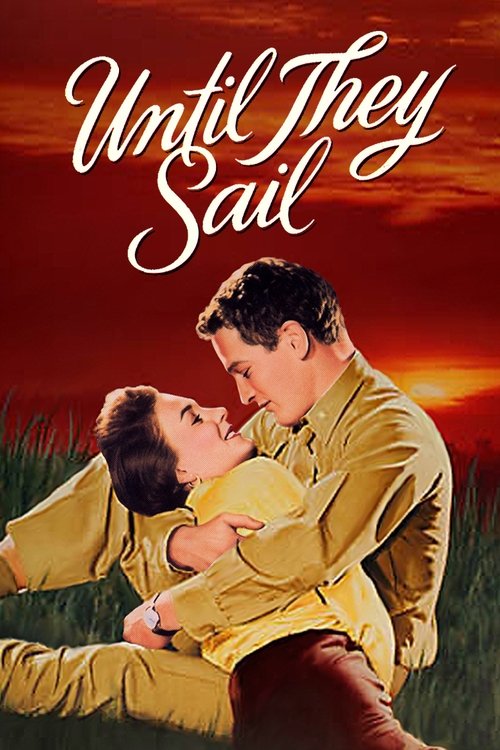
Until They Sail functions as a traditional mid-century wartime drama. It highlights the interpersonal dynamics of the four sisters, offering a glimpse into female experiences during WWII. However, the film remains firmly rooted in the social hierarchies of 1957. The narrative prioritizes heterosexual romance and a homogeneous, Eurocentric social circle. While sisterhood provides a platform for female-centric storytelling, the film does not challenge the era's systemic norms or include diverse cultural perspectives like the Māori people. Ultimately, the film reinforces established social archetypes. It focuses on domestic stability and patriarchal structures, making it a typical product of the studio system's traditional frameworks.
Category Breakdown
The film focuses on heterosexual relationships between the sisters and U.S. Marines. There are no characters with non-binary gender identities or same-sex relationships.
Women's ability to drive the story is explored through sisterhood and wartime separation. Despite Barbara Leslie being a central figure, the sisters' stability is still tied to male-dominated warfare and relationships.
The cast is mainly Anglo-Saxon, reflecting a Eurocentric view of New Zealand. There is a noticeable absence of Māori perspectives or diverse cultural backgrounds.
The drama emphasizes patriotic duty and traditional family stability. It reinforces Western institutional values and conventional morality regarding social reputation and marriage.
There are no prominent depictions of physical or neurodivergent disabilities. Character struggles are primarily emotional, centered on grief and wartime anxiety.
Present on Screen
Limited or Absent
Official Synopsis
Four sisters in New Zealand fall for soldiers en route to the Pacific theater in WWII.
1979
1958
1958
1958

1943

1955
1972

1971
No reviews yet. Be the first to share your thoughts on this movie!
Use the rating form above to leave a star rating and optional review.